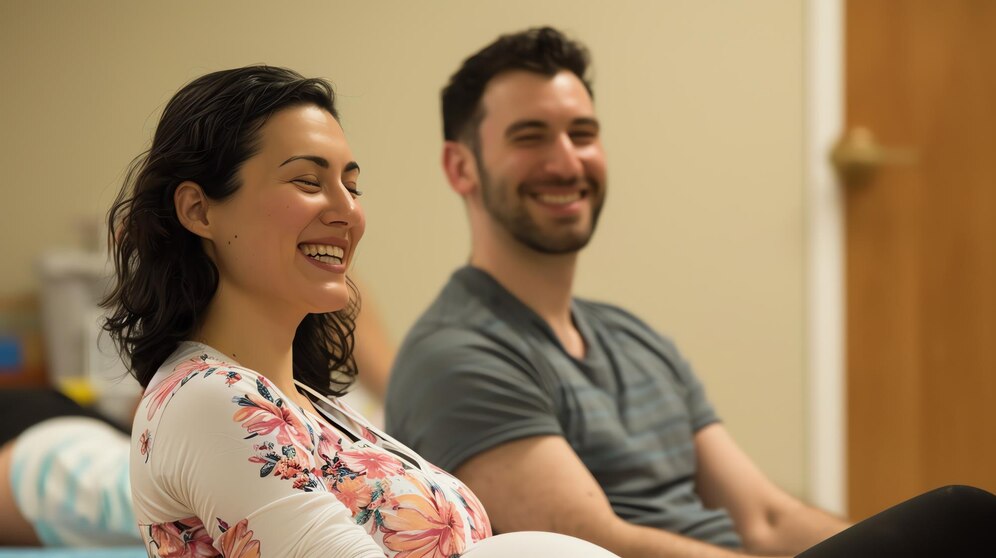
Holistic Couples Rehab Programs

Holistic Couples Rehab Programs (Yoga, Meditation, Nutrition)

Traditional treatment approaches often fall short of addressing the complex interconnected challenges couples face. Research consistently shows that couples who enter treatment together report greater reductions in substance use than patients who receive individual therapy alone. However, what’s emerging as truly transformative is the integration of holistic healing modalities that address not just the addiction, but the mind, body, and spirit connection that addiction has disrupted.

Holistic couples rehab programs (yoga, meditation, nutrition) represent a revolutionary approach to addiction recovery that recognizes relationships as dynamic systems requiring comprehensive healing. As detailed in our comprehensive guide to choosing the right rehab program for your relationship, these programs combine evidence-based addiction treatment with complementary therapies that promote overall wellness and spiritual growth for both partners simultaneously.

Unlike traditional rehab programs that primarily focus on stopping substance use, holistic approaches understand that lasting recovery requires healing the whole person. When couples embark on this journey together, they’re not just overcoming addiction—they’re rebuilding their relationship foundation through shared wellness practices that will support their recovery long after treatment ends.

Understanding the Mind-Body-Spirit Connection in Couples Recovery

The foundation of holistic couples rehab programs lies in recognizing that addiction affects every aspect of a person’s being—and consequently, every aspect of their relationship. Holistic healing acknowledges that our mental, emotional, and physical health are interconnected, and anything one part perceives is instantly communicated to the entire being.

For couples struggling with addiction, this interconnectedness means that one partner’s emotional state, physical health, and spiritual well-being directly impacts the other. Traditional treatment approaches often address these elements separately, but holistic programs integrate them into a unified healing experience. When partners practice yoga together, they’re not just improving flexibility—they’re learning to move in harmony, building trust, and creating positive shared experiences.

Research demonstrates that couples who engage in mindfulness-based interventions show improved relationship satisfaction, better communication, and enhanced emotional regulation. These benefits extend far beyond the treatment period, creating lasting tools for navigating life’s challenges without returning to substance use.

The Three Pillars of Holistic Couples Rehabilitation

Yoga Therapy for Couples in Addiction Recovery

Yoga therapy for couples in addiction recovery goes far beyond physical exercise—it’s a transformative practice that rebuilds the mind-body connection that addiction has damaged. Studies show that yoga helps manage stress, improve mood, and develop healthy coping mechanisms crucial for long-term sobriety. For couples, practicing yoga together creates opportunities for non-verbal communication, builds trust through partner poses, and establishes healthy routines that support recovery.

In couples rehab settings, yoga sessions are specifically designed to address addiction-related trauma stored in the body. Many people in recovery carry physical tension from years of substance use, chronic stress, and relationship conflict. Through guided breathwork and movement, couples learn to release this tension together while building new patterns of physical and emotional intimacy.

Partner yoga poses require communication, trust, and mutual support—skills that are essential for recovery but often damaged by addiction. As couples learn to support each other’s balance in tree pose or coordinate their breathing in synchronized movements, they’re rebuilding these fundamental relationship skills in a safe, structured environment.

Mindfulness Meditation Exercises for Couples Rehab

Mindfulness meditation exercises for couples rehab create profound opportunities for healing both individual trauma and relationship wounds. Research demonstrates that mindfulness interventions for couples increase self-compassion, well-being, and relationship quality while reducing symptoms of anxiety and depression. These practices teach couples to be present with each other in ways that addiction often makes impossible.

In couples meditation sessions, partners learn to sit with difficult emotions without immediately reacting—a skill crucial for both addiction recovery and relationship health. Traditional meditation practices are adapted for couples, including guided visualizations where partners send loving-kindness to each other, synchronized breathing exercises that create physiological harmony, and mindful communication practices.

One powerful technique used in mindfulness-based couples therapy involves partners taking turns speaking about their experience while the other practices pure listening—without planning responses or defending themselves. This creates space for authentic sharing that addiction often destroys, fostering empathy and connection.

Holistic Nutrition Programs in Couples Addiction Treatment

Holistic nutrition programs couples addiction treatment recognizes that proper nutrition is fundamental to both physical recovery and relationship healing. Nutrition helps repair damage from substance abuse, improves mental clarity, and supports emotional stability, all of which are essential for successful recovery. When couples learn about nutrition together, they’re building practical life skills while addressing the biochemical aspects of addiction recovery.

Substance abuse often leads to severe nutritional deficiencies that affect mood, energy levels, and cognitive function. Holistic nutrition programs address these deficiencies through targeted meal planning, supplementation when appropriate, and education about how food affects both physical and mental health.

Cooking classes and meal planning sessions give couples positive activities to share while building skills they’ll need for independent living. Learning to prepare healthy meals together becomes a form of meditation in action—requiring presence, cooperation, and creating something nourishing.

How Mindfulness-Based Couples Therapy Enhances Traditional Treatment

Mindfulness-based couples therapy represents a significant evolution in addiction treatment, offering tools that enhance and deepen traditional therapeutic approaches. This approach combines the present moment awareness cultivated through mindfulness with the practical problem-solving strategies of cognitive behavioral therapy.

Traditional couples therapy often focuses on communication skills and conflict resolution—important work that forms the foundation of healthy relationships. Mindfulness-based approaches build on this foundation by teaching couples how to be present with whatever arises in their relationship without immediately trying to fix or change it.

In practice, mindfulness-based couples therapy includes specific exercises designed to rebuild emotional connection. Partners might practice eye gazing meditation, where they simply look into each other’s eyes for extended periods without speaking. This simple practice can reveal the deep love that exists beneath addiction-related resentments and fears.

Comparing Holistic Approaches to Behavioral Couples Therapy

While behavioral couples therapy (BCT) remains the gold standard for evidence-based couples addiction treatment, holistic approaches offer complementary benefits that enhance traditional methods. BCT has shown particularly strong outcomes, with studies indicating that couples who complete BCT together have significantly lower relapse rates compared to individual treatment alone.

BCT focuses primarily on changing behaviors and thought patterns related to addiction and relationship dysfunction. It’s highly structured, with specific protocols for creating recovery contracts, improving communication, and managing triggers. These approaches are invaluable and provide the practical framework most couples need for initial stability in recovery.

Holistic approaches work synergistically with BCT by addressing the deeper energetic and spiritual aspects of healing. While BCT helps couples change what they do and think, holistic practices help them transform who they are. Mind body spirit couples recovery programs that combine both approaches offer the best of both worlds.

Holistic Couples Rehab Programs (Yoga, Meditation, Nutrition) Couple Rehabs

Finding the Right Mind Body Spirit Couples Recovery Programs

Selecting the right mind body spirit couples recovery programs requires careful consideration of multiple factors that go beyond traditional treatment criteria. The most effective programs seamlessly integrate evidence-based addiction treatment with authentic holistic practices, creating a comprehensive healing environment.

When evaluating holistic couples programs, look for facilities that employ licensed addiction counselors who also have specialized training in holistic modalities. The integration of these approaches requires specific expertise—it’s not enough to simply add yoga classes to a traditional program.

Consider the depth and authenticity of the holistic offerings. Quality programs provide daily yoga and meditation practices, comprehensive nutritional counseling, and integration of these practices into the overall treatment plan. The holistic elements should feel like essential components of healing rather than recreational add-ons.

The Benefits of Couples Wellness Retreats with Holistic Focus

Couples wellness retreats offer an immersive experience that can jumpstart recovery or provide intensive healing for couples already in recovery. These retreats combine luxury wellness amenities with relationship healing, creating environments where couples can focus entirely on their healing without outside distractions.

The intensive nature of wellness retreats creates opportunities for breakthrough experiences that might take months to achieve in traditional therapy settings. When couples dedicate full days to their healing—participating in multiple yoga sessions, meditation practices, nutritional workshops, and couples therapy—they often experience rapid shifts in perspective and connection.

The natural settings where many retreats are located provide additional healing benefits. Time in nature has been shown to reduce stress hormones, improve mood, and enhance overall well-being. For couples dealing with the intensity of early recovery, natural environments provide a soothing backdrop that supports nervous system healing.

Nutritional Counseling for Couples: Healing Through Food

Nutritional counseling couples programs recognize that food is medicine—and for couples in recovery, learning to nourish themselves and each other becomes a powerful healing practice. Proper nutrition balances brain chemicals that regulate mood and behavior, reducing symptoms of anxiety and depression common in addiction recovery.

The biochemical aspects of addiction recovery make nutritional healing particularly important. Substance abuse depletes essential nutrients, disrupts neurotransmitter production, and often leads to unstable blood sugar that can trigger cravings and mood swings. Holistic nutrition programs address these issues through targeted meal planning and education about the connection between food and mood.

For couples, learning about nutrition together creates opportunities for practical care and connection. Shopping for healthy ingredients, preparing meals together, and sharing nourishing food becomes a form of love in action.

Spiritual Healing Couples: Addressing the Soul in Recovery

Spiritual healing couples programs recognize that addiction often represents a spiritual crisis as much as a behavioral or medical one. Spiritual healing takes a holistic approach by honoring the mind-body-spirit connection in relationship dynamics and acknowledging how energy flows between partners.

Spiritual healing doesn’t require specific religious beliefs—it’s about recognizing that humans are more than just physical and psychological beings. It acknowledges the energy, connection, and transcendent love that exists between partners and provides practices for accessing and nurturing these deeper dimensions of relationship.

In couples spiritual healing work, partners often explore questions of meaning, purpose, and connection that addiction has obscured. They might engage in rituals of forgiveness, practices for releasing resentment, or meditations that help them connect with the love that brought them together.

Choosing Couples Rehab with Yoga, Meditation, and Wellness

When selecting couples rehab with yoga meditation and wellness components, it’s essential to evaluate how these elements are integrated into the overall treatment program. The most effective programs don’t simply add holistic practices to traditional treatment—they weave these approaches together into a comprehensive healing experience.

Look for programs where the holistic practices are taught by qualified instructors who understand addiction recovery. Yoga teachers should have specific training in trauma-informed practice, meditation instructors should understand the unique challenges of early recovery, and nutritional counselors should be familiar with the specific needs of people healing from substance abuse.

Consider also the ongoing support available for maintaining these practices after treatment. Recovery is a long-term process, and couples need resources for continuing their holistic practices in their daily lives.

Frequently Asked Questions

1. How long do holistic couples rehab programs typically last?

Holistic couples rehab programs typically range from 30 to 90 days, depending on the severity of addiction and specific needs of the couple. Longer programs allow for deeper integration of holistic practices and more thorough relationship healing work.

2. What does a typical day look like in a holistic couples rehab program?

A typical day includes individual therapy, couples counseling, group sessions, yoga practice, meditation, nutritional workshops, and time for personal reflection. Programs often include focus groups covering topics like holistic wellness, art therapy, and life skills.

3. Do both partners need to have addiction issues to participate?

No, many holistic couples programs accept couples where only one partner has a substance use disorder. The programs recognize that addiction affects both partners and the relationship system, so both can benefit from participating in treatment together.

4. How much do holistic couples rehab programs cost?

Costs typically range from $3,000 to $10,000 for shorter programs, with outpatient options ranging from $1,400 to $10,000 for three months of treatment. Many insurance plans provide coverage for addiction treatment, though coverage for couples-specific programming varies.

5. Are holistic approaches as effective as traditional treatment methods?

Research shows that 99% of people in couples therapy report positive impacts on their relationship, with 76% reporting high or very high impact. Holistic approaches complement traditional methods rather than replace them, often enhancing overall treatment effectiveness.

6. Can couples stay together during residential treatment?

Most programs provide separate living quarters during residential treatment but include extensive joint therapy sessions and activities. This structure promotes both individual growth and strengthens both partners’ commitment to mutual recovery.

7. What happens if one partner relapses during treatment?

Quality programs have protocols for supporting couples through relapse, including immediate assessment, possible medical intervention, individual counseling, and treatment plan modification. The focus remains on supporting both partners while addressing the specific needs that led to relapse.

8. How do holistic practices help prevent relapse?

Holistic practices provide couples with tools for managing stress, triggers, and conflict that go beyond traditional coping strategies. Yoga, meditation, and proper nutrition help regulate mood, reduce anxiety, and provide healthy outlets for managing difficult emotions.

9. Are there programs specifically for LGBTQ+ couples?

Yes, many holistic couples rehab programs offer LGBTQ+-affirming treatment with culturally competent staff trained to address unique challenges including discrimination and minority stress that may contribute to addiction.

10. What ongoing support is available after completing a holistic couples program?

Aftercare typically includes continued couples therapy, individual therapy, support group participation, and access to wellness resources. Many programs provide ongoing care and aftercare services to support couples as they transition back to their daily lives.

Taking the Next Step Toward Holistic Healing Together

Holistic couples rehab programs represent a profound shift in how we approach addiction recovery—one that recognizes the inherent wisdom of the body, the power of presence, and the healing potential of authentic connection. By integrating yoga, meditation, and nutrition with evidence-based addiction treatment, these programs offer couples comprehensive tools for not just overcoming addiction, but for creating relationships that truly thrive.

The journey of recovery is rarely straightforward, but when couples have access to holistic healing modalities, they gain resources that support them on multiple levels. The physical practices of yoga rebuild strength and flexibility while creating opportunities for trust and cooperation. Meditation develops the mental clarity and emotional regulation essential for navigating recovery’s challenges. Nutritional healing addresses the biochemical foundations of wellness while providing practical skills for caring for each other.

Perhaps most importantly, holistic approaches honor the truth that recovery is not just about stopping harmful behaviors—it’s about rediscovering who you are individually and as a couple when addiction no longer defines your relationship. Through mind body spirit couples recovery programs, partners can access the love, strength, and wisdom that addiction has obscured, creating a foundation for lasting transformation.

At Couples Rehabs in San Diego, CA, we understand that your relationship is worth fighting for. Our holistic approach combines the proven effectiveness of evidence-based addiction treatment with the transformative power of mind-body-spirit healing modalities. We recognize that every couple’s journey is unique, and our comprehensive programs are designed to meet you exactly where you are while providing the tools and support you need for lasting recovery.

Whether you’re considering couples wellness retreats, intensive outpatient programs, or residential treatment that incorporates holistic healing, the most important step is reaching out for help. Recovery is not just about stopping substance use—it’s about rebuilding trust, rediscovering intimacy, and creating a shared future free from addiction’s devastation.

Your healing journey begins with a single decision to seek help together. Contact Couples Rehabs today to speak with an admissions specialist about our comprehensive holistic couples addiction treatment programs in San Diego, CA. Let us help you discover the transformative power of healing together through yoga, meditation, nutrition, and evidence-based treatment designed specifically for couples ready to reclaim their lives and their love.

How Do I Choose a Good Couples Rehab Program?

How Do I Choose a Good Couples Rehab Program?

Choosing the right couples rehab program can feel overwhelming when you’re facing addiction alongside your partner. Unlike individual treatment, couples addiction treatment program selection criteria involve evaluating how well a program addresses both partners’ individual needs while strengthening the relationship foundation that supports long-term recovery.

When addiction affects a relationship, it creates complex dynamics that require specialized care. Research shows that couples who enter treatment together consistently report greater reductions in substance use than patients who receive individual therapy alone. This makes understanding what criteria should I use to select couples addiction treatment absolutely crucial for your recovery success.

This comprehensive guide will walk you through the essential factors to consider, red flags to avoid, and practical steps to take when selecting a couples rehabilitation program that truly fits your unique situation.

Understanding Couples Addiction Treatment Program Selection Criteria

What Makes Couples Rehab Different from Individual Treatment

Couples addiction treatment addresses both individual substance use disorders and the relationship dynamics that either support or undermine recovery. The most effective programs integrate evidence-based individual addiction treatment with proven couples therapy modalities like Behavioral Couples Therapy (BCT), Cognitive Behavioral Therapy (CBT), and Emotionally Focused Therapy (EFT).

When evaluating how to evaluate couples rehab program selection criteria, you’re essentially looking at three interconnected areas: individual treatment quality, relationship-focused interventions, and the integration between these approaches.

Core Selection Criteria Every Couple Should Consider

Accreditation and Licensing Standards: Quality programs maintain accreditation from respected organizations like CARF International or the Joint Commission. These accreditations ensure the facility meets rigorous standards for addiction treatment and maintains qualified staff with appropriate credentials.

Assessment and Evaluation Process: Look for programs that conduct comprehensive assessments of both partners individually and as a couple. This should include individual addiction and mental health evaluations, relationship dynamics assessment, communication patterns analysis, and trauma screening.

Evidence-Based Treatment Approaches: The best criteria for choosing couples substance abuse treatment centers on programs that use proven therapeutic modalities. BCT has shown particularly strong outcomes, with studies indicating that couples who complete BCT together have significantly lower relapse rates compared to individual treatment alone.

Essential Questions to Ask Couples Rehab Centers Before Enrollment

Treatment Approach and Philosophy Questions

When contacting potential programs, ask specific questions about their treatment philosophy. Do they view addiction as a disease requiring medical intervention, or do they take a more holistic approach? Understanding their underlying beliefs will help you determine if their approach aligns with your values and needs.

Inquire about their experience treating couples specifically. Ask how long they’ve been offering couples programs, what their success rates are, and whether they can provide testimonials or outcome data. A reputable program will be transparent about their results and willing to discuss both successes and challenges.

Staff Qualifications and Experience

What Credentials Do Your Staff Hold? Quality couples rehab programs employ licensed addiction counselors who also hold specialized training in couples and family therapy. Look for staff with credentials from recognized organizations like the American Association for Marriage and Family Therapy (AAMFT) or certified addiction counselors with couples therapy experience.

How Do You Handle Dual Diagnosis? Many individuals struggling with addiction also have co-occurring mental health conditions. Ensure the program has qualified mental health professionals who can address these complex needs alongside addiction treatment.

Program Structure and Duration

Ask about treatment duration options and flexibility. Quality programs offer various levels of care, from intensive outpatient programs (9-12 hours per week) to residential programs (30-90 days) to accommodate different severity levels and life circumstances.

Evaluating Treatment Approaches: Evidence-Based vs. Alternative Methods

Understanding Evidence-Based Couples Treatment

Evidence-based treatment approaches have been scientifically studied and proven effective for couples addiction treatment. Behavioral Couples Therapy (BCT) stands out as particularly effective, with research showing that patients who engage in BCT consistently report greater reductions in substance use than those receiving only individual counseling.

Cognitive Behavioral Therapy (CBT) helps couples identify and change negative thought patterns and behaviors that contribute to substance use. Dialectical Behavior Therapy (DBT) teaches emotional regulation skills that are crucial for maintaining sobriety while navigating relationship challenges.

Emotionally Focused Therapy (EFT) helps couples strengthen their emotional bond and develop secure attachment patterns that support recovery. These approaches work synergistically to address both addiction and relationship healing simultaneously.

Alternative and Complementary Therapies

While evidence-based treatments should form the foundation of any quality program, many effective couples rehab centers also incorporate complementary therapies. These might include art therapy, music therapy, yoga, meditation, or outdoor/adventure therapy.

When evaluating these additional offerings, consider whether they enhance the core treatment program or serve as distractions from essential therapeutic work. The best programs use alternative therapies strategically to support the primary evidence-based interventions.

How to Choose Couples Rehab with Both Partners Addicted

When both partners struggle with substance use disorders, program selection becomes more complex. Look for programs specifically designed for dual-addiction couples that understand the unique challenges this presents. These programs typically include:

  • Separate individual therapy sessions for each partner
  • Joint couples therapy sessions
  • Group therapy with other couples facing similar challenges
  • Coordinated treatment planning that addresses both partners’ needs
  • Specialized relapse prevention planning for couples

Inpatient vs Outpatient Couples Addiction Treatment Selection Guide

Inpatient Treatment Considerations

When to Choose Inpatient Care: Residential treatment is typically recommended when one or both partners have severe addiction, multiple failed treatment attempts, co-occurring mental health conditions, or unsafe home environments that could trigger relapse.

Inpatient programs provide 24/7 medical supervision, structured environments free from triggers, and intensive therapeutic programming. However, they require taking time away from work and family responsibilities, which may not be feasible for all couples.

Living Arrangements in Inpatient Programs: Most inpatient couples programs provide separate living quarters for each partner, especially during the initial phases of treatment. This allows for individual focus while still participating in couples therapy sessions together.

Outpatient Treatment Benefits

Flexibility and Real-World Application: Outpatient programs allow couples to maintain work and family obligations while receiving treatment. This can be particularly beneficial for couples with children or significant financial responsibilities.

Graduated Levels of Care: Many programs offer step-down approaches, starting with partial hospitalization programs (PHP) that provide intensive daily treatment, then transitioning to intensive outpatient programs (IOP) with evening or weekend sessions.

When Outpatient is Appropriate: Couples with less severe addictions, strong support systems, and stable home environments often succeed in outpatient programs. However, both partners must be committed to recovery and able to resist triggers in their daily environment.

Making the Inpatient vs Outpatient Decision

Consider your individual and relationship circumstances carefully. Factors like addiction severity, previous treatment history, support system strength, and life responsibilities all play crucial roles in determining the most appropriate level of care.

Insurance Coverage for Couples Rehabilitation Programs: What You Need to Know

Understanding Insurance Benefits

Coverage Variations: Insurance coverage for couples rehab programs varies significantly between providers and plans. While most insurance plans cover individual addiction treatment, couples-specific programming may have different coverage levels or require pre-authorization.

In-Network vs. Out-of-Network: Choosing in-network providers significantly reduces out-of-pocket costs. However, if your preferred couples program is out-of-network, some insurers may still provide partial coverage or make exceptions for specialized care.

Financial Planning and Insurance Verification

Pre-Authorization Requirements: Many insurance plans require pre-authorization for addiction treatment. Start this process early, as it can take several weeks and may require documentation from healthcare providers about medical necessity.

Hidden Costs and Payment Options: Beyond basic treatment costs, consider additional expenses like family therapy sessions, extended stays, or specialized therapies. Many quality programs offer payment plans, sliding-scale fees, or scholarship options for those with limited financial resources.

Documentation for Insurance: Keep detailed records of all communications with insurance providers, including reference numbers for calls and copies of all submitted paperwork. This documentation can be crucial if coverage disputes arise.

Maximizing Insurance Benefits

Work with the rehab center’s financial counselors to understand your benefits fully. Many facilities have dedicated staff who specialize in insurance verification and can help navigate complex coverage issues.

How Do I Choose a Good Couples Rehab Program? Couple Rehabs

Red Flags to Avoid When Choosing Couples Addiction Treatment

Warning Signs of Substandard Programs

Unrealistic Promises and Marketing Red Flags: Be wary of programs that guarantee success, promise “quick fixes,” or claim extremely high success rates without providing verifiable data. Addiction recovery is a complex process, and ethical programs acknowledge both potential benefits and limitations.

Lack of Proper Licensing: Verify that both the facility and individual staff members hold appropriate licenses and certifications. Unlicensed or improperly credentialed providers can provide ineffective or even harmful treatment.

Poor Communication and Transparency: Quality programs are transparent about their methods, costs, and outcomes. Red flags include reluctance to answer questions, pressure to commit immediately, or inability to provide clear information about treatment approaches.

Staff and Program Quality Concerns

High Staff Turnover: Frequent changes in therapeutic staff can disrupt treatment continuity and relationship building, which are crucial for couples therapy success.

One-Size-Fits-All Approaches: Avoid programs that don’t customize treatment plans for individual couples’ needs. Effective couples addiction treatment recognizes that each relationship has unique dynamics and challenges.

Lack of Aftercare Planning: Programs that don’t provide comprehensive aftercare planning or continuing support often have higher relapse rates. Quality programs help couples transition back to their daily lives with ongoing support systems.

Financial and Ethical Red Flags

Be cautious of programs that demand full payment upfront without insurance verification, refuse to provide cost breakdowns, or pressure you into extended treatment without clear medical justification.

Success Rates: How Couples Rehab Compares to Individual Treatment

Research on Couples Treatment Outcomes

Statistical Advantages: Studies consistently show that couples who participate in behavioral couples therapy experience better outcomes than those in individual treatment alone. Research indicates that couples completing BCT together have significantly lower relapse rates, improved relationship satisfaction, and reduced domestic violence incidents.

Long-Term Recovery Success: Couples rehab programs that integrate relationship work with addiction treatment show particularly strong long-term outcomes. The mutual support and accountability that healthy relationships provide create additional motivation for maintaining sobriety.

Factors Affecting Success Rates

Motivation and Commitment: Both partners must be genuinely committed to recovery and willing to participate fully in treatment. Success rates drop significantly when one partner is ambivalent about treatment or participating only under pressure.

Relationship Stability: Couples with fundamentally strong relationships but addiction-related problems typically see better outcomes than those with severe underlying relationship dysfunction.

Individual Factors: Each partner’s addiction severity, mental health status, trauma history, and previous treatment experiences all influence overall success rates.

Measuring Success Beyond Sobriety

Quality couples programs measure success through multiple metrics: sustained sobriety, improved relationship satisfaction, better communication skills, reduced conflict, and enhanced overall life functioning. The best programs provide ongoing follow-up to track these outcomes over time.

Making Your Final Decision: A Step-by-Step Selection Framework

Phase 1: Initial Assessment and Research

Start by honestly assessing both partners’ needs, including addiction severity, mental health concerns, relationship challenges, and practical considerations like insurance coverage and scheduling constraints.

Research potential programs thoroughly, reading reviews from former patients, checking accreditation status, and verifying staff credentials. Create a shortlist of 3-5 programs that meet your basic criteria.

Phase 2: Contact and Evaluation

Scheduled Consultations: Most quality programs offer initial consultations to assess fit and answer questions. Use these opportunities to evaluate the program’s professionalism, transparency, and approach to couples treatment.

Visit Facilities When Possible: If feasible, visit potential programs in person. This gives you a sense of the environment, staff interactions, and overall program culture.

Check References: Ask for and contact references from former patients who completed couples programs. Their perspectives can provide valuable insights into program effectiveness and potential challenges.

Phase 3: Final Decision Making

Compare your options systematically, weighing factors like treatment approach, staff qualifications, success rates, location, cost, and insurance coverage. Consider both partners’ comfort levels and preferences in making the final decision.

Remember that the “best” program is the one that fits your specific needs and circumstances, not necessarily the most expensive or well-known option.

Frequently Asked Questions

Do both partners need to have addiction issues to qualify for couples rehab?

Not necessarily. Many programs accept couples where only one partner has a substance use disorder, recognizing that addiction affects both partners and the relationship system. However, both partners must be committed to recovery and willing to participate fully in the treatment process.

How long do couples rehab programs typically last?

Program duration varies based on addiction severity and individual needs. Intensive outpatient programs typically last 8-12 weeks with 9-20 hours of weekly treatment. Residential programs commonly run 30-90 days, with some extended programs offering 6-12 months of treatment for severe cases.

Can couples stay in the same room during inpatient treatment?

Most inpatient couples programs provide separate living quarters, especially during initial treatment phases. This allows each partner to focus on individual recovery work while participating in couples therapy sessions together. Some programs may allow shared accommodations in later treatment phases.

How much does couples rehab cost, and does insurance cover it?

Costs vary widely based on program type and location. Outpatient programs may cost $5,000-$15,000 per couple, while luxury residential programs can exceed $100,000. Many insurance plans cover addiction treatment, but coverage for couples-specific programming varies. Contact both the treatment center and your insurance provider to verify coverage details.

What happens if couples decide to separate during treatment?

Quality programs have protocols for supporting couples who decide to separate, including individual therapy focus, separate group participation, and decision-making support. Most programs encourage delaying major relationship decisions until completing treatment, when couples can think more clearly about their future.

Are there programs specifically for LGBTQ+ couples?

Yes, many centers offer LGBTQ+-affirming programs with culturally competent staff trained to address unique challenges including discrimination, family rejection, and minority stress that may contribute to addiction. Look for programs with specific LGBTQ+ training and inclusive policies.

How do programs handle relapse during treatment?

Relapse protocols typically include immediate assessment, possible medical detoxification, increased individual counseling, and treatment plan modifications. Some programs allow couples to continue together after relapse, while others may require temporary separation or individual treatment focus.

What ongoing support is available after completing treatment?

Comprehensive aftercare planning includes continued couples therapy, individual therapy as needed, support group participation, and alumni programs. Many programs offer graduated support levels, starting with intensive outpatient programming and transitioning to weekly therapy and peer support.

Can couples with children participate in rehab programs?

Yes, many programs offer specialized services including on-site childcare, family therapy, and coordination with child protective services when necessary. Some residential programs allow children on-site, while others provide intensive outpatient options that accommodate parenting responsibilities.

How do I know if a couples rehab program is accredited and legitimate?

Verify accreditation through organizations like CARF International, the Joint Commission, or state licensing boards. Check staff credentials through professional licensing boards and ask for verification of the facility’s licenses. Legitimate programs are transparent about their accreditation status and willing to provide verification.

Conclusion: Taking the Next Step Toward Recovery Together

Choosing the right couples rehab program is one of the most important decisions you’ll make for your relationship and individual recovery journeys. The process requires careful consideration of couples addiction treatment program selection criteria, thorough research into evidence-based approaches, and honest assessment of both partners’ needs and commitment levels.

Remember that recovery is not just about stopping substance use—it’s about rebuilding trust, rediscovering intimacy, and creating a shared future free from addiction’s devastation. The right program will provide you with evidence-based treatment approaches, qualified staff, and comprehensive support systems that address both individual addiction and relationship healing simultaneously.

Don’t let uncertainty or fear prevent you from taking this crucial step. The research clearly shows that couples who enter quality treatment programs together have better outcomes than those who attempt recovery individually. Your relationship can be your greatest asset in recovery when you have the right professional support and treatment framework.

Ready to begin your journey toward recovery together? Contact Couples Rehabs today to speak with our experienced admissions specialists about our comprehensive couples addiction treatment programs. Our compassionate team understands the unique challenges couples face in recovery and is here to help you find the program that’s right for your relationship.

Take the first step toward healing your relationship and reclaiming your lives from addiction. Call Couples Rehabs now at [phone number] or visit our website to learn more about how we can support you and your partner on the path to lasting recovery. Your new beginning starts with a single phone call.

Couples Counseling vs. Group Therapy: What's Better?

Couples Counseling vs. Group Therapy: What’s Better?

Many couples wonder which is better: couples counseling or group therapy for addiction treatment. The truth is, both approaches have proven effective, but the right choice depends on your specific circumstances, needs, and recovery goals. Understanding the benefits of couples therapy vs group therapy addiction treatment can help you make an informed decision that sets your relationship up for long-term success.

This comprehensive guide explores the effectiveness of behavioral couples therapy compared to group treatment, helping you understand when to choose individual couples counseling over group sessions. At Couples Rehabs, we’ve seen both approaches transform lives with our  evidence-based therapy programs, and we’re here to help you understand which couples addiction treatment individual vs group approach might work best for your unique situation.

The decision between these two evidence-based approaches isn’t about finding a universal “better” option—it’s about discovering what’s better for you. Let’s explore the research, benefits, and considerations that will guide you toward the most effective path for your recovery journey.

Understanding Couples Counseling vs. Group Therapy for Addiction

When comparing couples counseling vs. group therapy: what’s better for addiction recovery, it’s essential to understand what each approach offers. Couples counseling addiction treatment focuses specifically on the relationship dynamics that both contribute to and can support recovery from substance use disorders. This approach recognizes that addiction affects both partners and that healing must address the relationship itself as a key component of recovery.

Group therapy for addiction recovery, on the other hand, brings together multiple individuals or couples facing similar challenges. Participants benefit from shared experiences, peer support, and the realization that they’re not alone in their struggles. The group dynamic creates a community of accountability and mutual encouragement that can be incredibly powerful for maintaining sobriety.

The fundamental difference lies in focus and format. Couples counseling provides intensive, personalized attention to your specific relationship patterns, communication issues, and recovery goals. Group therapy offers broader community support, diverse perspectives, and the cost-effective benefit of learning from others’ experiences and successes.

Both approaches fall under the umbrella of evidence-based therapy, which means they’ve been scientifically proven to help couples overcome addiction challenges. The question isn’t whether they work—research confirms both are effective—but rather which approach aligns better with your learning style, comfort level, and specific recovery needs.

Understanding this distinction is crucial because it helps you focus on fit rather than superiority. Your choice should be based on practical considerations like your communication preferences, privacy needs, budget constraints, and the specific challenges your relationship faces in recovery.

The Case for Couples Counseling in Addiction Treatment

Benefits of Behavioral Couples Therapy

Research consistently demonstrates that couples counseling addiction treatment produces remarkable outcomes for relationships affected by substance use disorders. Behavioral couples therapy (BCT) has been extensively studied, with findings showing that couples who engage in this approach achieve higher abstinence rates than those receiving only individual treatment.

The effectiveness of behavioral couples therapy compared to group treatment lies in its personalized focus on relationship dynamics. BCT helps couples identify and change the specific patterns that enable addiction while building new behaviors that support recovery. This might include creating daily recovery contracts where both partners commit to sobriety-supporting actions, developing better communication skills, and establishing healthy boundaries.

One of the most significant benefits is how couples counseling addresses the trauma that addiction creates within relationships. When trust has been broken through lies, financial problems, or dangerous behaviors, couples need specialized help to rebuild their foundation. Individual couples counseling provides the safe, private space necessary for these vulnerable conversations.

The approach also recognizes that both partners need healing. The non-addicted partner may have developed codependent behaviors, anxiety, or depression as a result of their partner’s addiction. Couples counseling addresses these issues simultaneously, ensuring both people receive the support they need to create a healthy relationship dynamic.

Additionally, couples counseling excels at preventing relapse by teaching partners how to support each other’s recovery without enabling destructive behaviors. Couples learn to recognize early warning signs, implement intervention strategies, and maintain accountability without creating a parent-child dynamic in their relationship.

When Couples Counseling Works Best

Couples counseling proves most effective when both partners are committed to recovery and willing to examine their own contributions to relationship problems. It works particularly well when couples need to address specific relationship traumas, rebuild trust, or develop personalized strategies for maintaining sobriety together.

This approach is ideal for couples who value privacy and prefer working through sensitive issues without an audience. Some relationship problems—such as infidelity, financial betrayal, or intimate partner violence—require the confidential setting that couples counseling provides.

Couples counseling also works best when partners have different recovery needs or when their addictions affect the relationship in unique ways. The individualized attention allows therapists to address specific dynamics, communication patterns, and triggers that might not be relevant to other couples in a group setting.

The Power of Group Therapy for Addiction Recovery

How Group Therapy Builds Community and Accountability

Group therapy for addiction recovery harnesses one of humanity’s most powerful healing forces: community connection. When couples participate in group therapy, they discover they’re not alone in their struggles, which immediately reduces the shame and isolation that often accompany addiction.

The group dynamic creates natural accountability that can be more powerful than individual counseling. When you share your goals and challenges with a group, you’re more likely to follow through on commitments because you know others are counting on you. This peer accountability often motivates people to stay engaged in treatment longer and take their recovery more seriously.

Group therapy also provides exposure to diverse perspectives and coping strategies. In individual therapy vs group therapy settings, group participants learn from each other’s successes and mistakes, gaining insights they might never discover in couples counseling alone. Hearing how another couple navigated a similar challenge can provide hope and practical solutions.

The cost-effectiveness of group therapy makes recovery accessible to more couples. Since one therapist can work with multiple couples simultaneously, the cost per couple decreases significantly compared to individual couples counseling. This financial accessibility can be crucial for couples whose addiction has created financial strain.

Types of Group Therapy in Addiction Treatment

Several types of group therapy serve different purposes in addiction recovery. Process groups focus on exploring emotions, relationships, and personal growth through group discussions and interactions. These groups help couples understand how their relationship patterns affect their recovery and vice versa.

Psychoeducational groups provide information and teach skills related to addiction recovery. Couples might learn about the science of addiction, relapse prevention strategies, communication techniques, or stress management tools. These groups combine education with practical skill-building exercises.

Support groups, such as those following 12-step principles, offer ongoing encouragement and accountability. While not technically therapy, these groups provide crucial peer support that complements professional treatment.

Skills-based groups focus on developing specific abilities needed for recovery success. This might include anger management, mindfulness practices, job search skills, or parenting strategies for couples with children affected by their addiction.

Research-Based Comparison: Effectiveness Data

Success Rates and Outcomes

When examining which is better couples counseling or group therapy for addiction, research provides compelling evidence for both approaches. Studies on behavioral couples therapy show that couples achieve abstinence rates 10-15% higher than those receiving individual treatment alone. These couples also report significantly improved relationship satisfaction and lower rates of domestic violence.

Group therapy research demonstrates equally impressive outcomes, particularly in terms of treatment retention and long-term recovery maintenance. Participants in group therapy programs show higher rates of treatment completion and continued engagement in recovery activities after formal treatment ends.

The effectiveness of behavioral couples therapy compared to group treatment varies depending on the specific challenges couples face. For couples dealing with relationship trauma or complex communication issues, individual couples counseling often produces better outcomes. For couples who need community support and cost-effective treatment, group therapy frequently achieves superior results.

Long-term studies suggest that couples who receive either form of evidence-based treatment maintain their recovery gains better than those who receive no treatment or non-evidence-based approaches. The key factor isn’t the format but rather the quality of the intervention and how well it matches the couple’s specific needs.

Cost-Effectiveness Analysis

Financial considerations often influence treatment decisions, making cost-effectiveness a crucial factor in the couples counseling vs. group therapy debate. Group therapy typically costs 30-50% less than individual couples counseling, making it more accessible for couples facing financial constraints due to addiction-related problems.

However, couples counseling may prove more cost-effective in the long run if it prevents relapse more effectively for your specific situation. The intensive, personalized attention might address problems more quickly, potentially reducing the total treatment time needed.

Insurance coverage varies for both approaches, but many plans provide better coverage for group therapy since it’s considered more cost-effective by insurance companies. Some couples find that combining approaches—starting with group therapy for foundational skills and community support, then transitioning to couples counseling for specific relationship issues—provides the best value.

Couples Counseling vs. Group Therapy: What's Better? Couple Rehabs

Individual Therapy vs Group Therapy: Key Factors to Consider

Privacy and Comfort Levels

Your comfort with sharing personal information significantly impacts treatment effectiveness. Some couples feel more comfortable discussing sensitive topics like sexual intimacy, financial problems, or family trauma in the privacy of couples counseling. Others find that sharing with peers reduces shame and provides valuable perspective.

Consider your personalities and communication styles. Introverted individuals might initially prefer couples counseling but could benefit from the social skills practice that group therapy provides. Extroverted people might thrive in group settings but need the focused attention of couples counseling to address deep-seated relationship issues.

Privacy concerns extend beyond comfort levels to practical considerations. Some couples worry about confidentiality in group settings or fear encountering other participants in their community. While group therapy maintains strict confidentiality rules, couples counseling eliminates these concerns entirely.

Learning Styles and Personality Types

Your learning preferences should influence your choice between couples counseling and group therapy. Visual learners might benefit from group therapy’s demonstrations and role-playing exercises, while auditory learners could prefer the focused dialogue of couples counseling.

Some people learn best through observation, making group therapy ideal for watching other couples work through similar challenges. Others learn through intensive discussion and personalized feedback, making couples counseling more effective.

Consider your motivation sources as well. Do you respond better to peer pressure and community accountability, or do you prefer working toward goals privately with professional guidance? Your answer can guide you toward the most motivating treatment format.

When to Choose Individual Couples Counseling Over Group Sessions

Several situations clearly favor when to choose individual couples counseling over group sessions. If your relationship involves recent trauma, active domestic violence, or severe trust violations, couples counseling provides the safe, controlled environment necessary for healing. These sensitive issues require careful handling that group settings cannot provide.

Couples counseling works best when you have specific, complex relationship dynamics that need intensive attention. If your communication patterns are particularly dysfunctional, if you’re dealing with infidelity, or if you have different recovery timelines, individual attention becomes crucial.

Consider couples counseling if either partner has social anxiety, severe depression, or other mental health conditions that make group participation difficult. The one-on-one format allows therapists to accommodate these needs more effectively.

Financial resources also matter. If you can afford couples counseling and prefer the personalized attention, this investment often pays dividends in faster progress and more targeted interventions.

Privacy needs should influence your decision as well. Some couples work in public-facing careers or small communities where group therapy participation might create unwanted complications. Couples counseling eliminates these concerns while providing equally effective treatment.

Combining Both Approaches: The Best of Both Worlds

Many successful recovery programs recognize that couples don’t have to choose exclusively between couples counseling addiction treatment and group therapy for addiction recovery. Combining both approaches often provides optimal outcomes by leveraging the unique benefits of each format.

A common effective sequence involves starting with group therapy to build foundational recovery skills and community support, then transitioning to couples counseling to address specific relationship dynamics. This progression allows couples to develop coping skills and reduce shame in a supportive community before tackling sensitive relationship issues privately.

Alternatively, some couples benefit from concurrent participation in both formats. They might attend weekly group sessions for ongoing support and peer accountability while scheduling monthly couples counseling sessions to address specific relationship challenges as they arise.

At Couples Rehabs, we’ve found that this integrated approach often produces the best long-term outcomes. Couples develop a broad support network through group therapy while receiving personalized attention to their unique relationship needs through couples counseling. This combination addresses both individual recovery and relationship healing comprehensively.

The key is working with treatment providers who can coordinate these approaches effectively, ensuring that insights from group therapy inform couples work and that relationship progress enhances group participation.

Making the Right Choice for Your Recovery Journey

Ultimately, deciding between couples counseling vs. group therapy: what’s better depends on your specific circumstances, preferences, and goals. Consider these key questions as you make your decision:

What are your primary treatment goals? If rebuilding trust and improving communication are priorities, couples counseling might be ideal. If you need community support and cost-effective treatment, group therapy could be better.

How do you learn best? Couples who benefit from personalized attention and private exploration might prefer couples counseling. Those who learn from others’ experiences and thrive in community settings might choose group therapy.

What resources do you have? Consider your budget, insurance coverage, schedule, and emotional energy. Both approaches require commitment, but they demand different types of resources.

What challenges do you face? Complex relationship trauma might require couples counseling, while general addiction recovery skills might be effectively learned in group settings.

Remember that this choice isn’t permanent. Many couples start with one approach and transition to another as their needs change throughout recovery. The most important decision is to begin treatment—you can always adjust your approach as you learn what works best for your relationship.

Frequently Asked Questions

1. How long does couples counseling vs. group therapy typically take? Couples counseling usually involves 12-20 weekly sessions over 3-6 months, while group therapy programs often run 8-16 weeks with ongoing maintenance groups available. Individual needs determine actual duration for both approaches.

2. Can we do both couples counseling and group therapy at the same time? Yes, many couples benefit from combining both approaches. Concurrent participation allows you to develop community support through group therapy while addressing specific relationship issues in couples counseling.

3. Is couples counseling or group therapy more effective for preventing relapse? Research shows both approaches significantly reduce relapse rates compared to individual treatment alone. Couples counseling may be more effective for relationship-specific triggers, while group therapy excels at providing ongoing community accountability.

4. What if my partner doesn’t want to participate in group therapy? If privacy concerns prevent group participation, couples counseling provides an excellent alternative. Some couples start with individual couples counseling to build confidence before transitioning to group therapy.

5. How much does couples counseling cost compared to group therapy? Group therapy typically costs 30-50% less than couples counseling per session. However, insurance coverage and treatment duration vary, so total costs depend on your specific situation and needs.

6. Which approach works better for couples where both partners have addiction? Both approaches can be effective, but couples counseling often works better initially when both partners need to establish sobriety. Group therapy can provide valuable peer support once both partners have achieved some stability.

7. What happens if we encounter other participants from group therapy in our community? Group therapy maintains strict confidentiality rules, and participants agree not to discuss what happens in sessions outside the group. Most people respect these boundaries, but couples counseling eliminates this concern entirely.

8. Can we switch from group therapy to couples counseling if it’s not working? Absolutely. Treatment approaches should be flexible and responsive to your needs. Many couples try different formats before finding what works best for their specific situation.

9. Which approach addresses trauma more effectively? Couples counseling typically provides better trauma treatment due to its private, controlled environment. However, some trauma survivors find that group therapy reduces shame and provides valuable peer support for healing.

10. How do we know if we’re making progress in either approach? Progress indicators include improved communication, reduced conflict, maintained sobriety, increased relationship satisfaction, and better coping with triggers. Your therapist will help track these measures regardless of format chosen.

Taking the Next Step: Your Path to Recovery Starts Now

The decision between couples counseling and group therapy doesn’t have to be overwhelming. What matters most is that you’re taking action to heal your relationship and overcome addiction together. Both approaches have helped countless couples rebuild their lives, strengthen their relationships, and maintain long-term sobriety.

At Couples Rehabs, we understand that every couple’s journey is unique. That’s why we offer both individual couples counseling and group therapy options, allowing you to choose the approach that feels right for your relationship—or combine both for maximum benefit. Our experienced therapists specialize in addiction recovery and relationship healing, providing the evidence-based treatment that research proves most effective.

Your relationship has already survived the challenges of addiction, which shows incredible strength and resilience. Now it’s time to build on that foundation with professional support that can guide you toward lasting recovery and deeper connection. Whether you choose the intensive, personalized approach of couples counseling or the community support of group therapy, you’re making a powerful investment in your future together.

Don’t let another day pass wondering what might be possible for your relationship. The research is clear: couples who receive professional treatment achieve better outcomes than those who try to heal alone. You’ve already taken the hardest step by recognizing you need help—now let us help you choose the treatment approach that will give you the best chance at lasting success.

Contact Couples Rehabs today to discuss your options and begin your journey toward recovery. Our compassionate team can help you understand which approach might work best for your specific situation and get you started on the path to healing. Your relationship deserves this investment, and recovery is possible when you have the right support system in place.

Evidence-Based Therapy & Healing As A Couple

Evidence-Based Therapy & Healing As A Couple

Relationship dynamics fundamentally alter how addiction develops, persists, and can ultimately be overcome. While mainstream addiction treatment has traditionally focused on individual pathology and personal accountability, revolutionary research from Harvard Medical School and the American Journal of Family Therapy reveals that intimate partnerships create unique neurochemical environments that either accelerate addiction progression or become powerful catalysts for sustained recovery. Evidence-based therapy & healing as a couple emerges from this scientific understanding, recognizing that successful addiction treatment must address both individual brain chemistry and the complex emotional ecosystems that couples create together. This approach represents a paradigm shift from viewing relationships as potential obstacles to recovery toward harnessing partnership dynamics as therapeutic tools.

At Couples Rehabs, our specialized programs integrate these groundbreaking findings into comprehensive treatment experiences that simultaneously address addiction, mental health, and relationship wellness. This detailed guide explores how scientifically-validated therapeutic approaches can transform couples from co-dependent or enabling patterns into mutual support systems that strengthen both individual recovery and partnership resilience.

Understanding Evidence-Based Therapy in Couples Recovery

Evidence-based therapy represents the gold standard in addiction treatment, grounded in rigorous scientific research and proven clinical outcomes. When applied to couples facing addiction, these approaches recognize that relationships can be both a catalyst for addiction and a powerful tool for recovery.

What Makes Therapy “Evidence-Based”?

Evidence-based therapy relies on treatment methods that have been scientifically tested and proven effective through controlled studies and clinical trials. These approaches go beyond traditional talk therapy, incorporating specific techniques and interventions that address the neurological, psychological, and social aspects of addiction.

For couples, evidence-based therapy means using proven methods that:

  • Address both individual addiction and relationship dynamics
  • Incorporate behavioral modification techniques
  • Focus on communication skills and emotional regulation
  • Provide structured frameworks for lasting change

The Science Behind Couples Recovery

Research from the National Institute on Drug Abuse demonstrates that couples who participate in treatment together show significantly higher rates of sustained recovery compared to individual treatment alone. Therapy in couples rehab creates a supportive environment where partners can address their individual challenges while working together toward shared goals.

Studies indicate that couples-based treatment can:

  • Reduce relapse rates by up to 60%
  • Improve relationship satisfaction scores by 75%
  • Increase treatment retention rates
  • Enhance overall quality of life measures

Core Evidence-Based Approaches for Couples

Cognitive Behavioral Therapy for Couples (CBT)

CBT for couples represents one of the most extensively researched therapeutic approaches in addiction treatment. This method focuses on identifying and changing negative thought patterns and behaviors that contribute to both addiction and relationship dysfunction.

How CBT Works for Couples:

Identifying Trigger Patterns: Partners learn to recognize situations, emotions, and interactions that trigger addictive behaviors or relationship conflicts.

Developing Coping Strategies: Couples practice healthy responses to stress, conflict, and cravings, creating a toolkit of evidence-based coping mechanisms.

Communication Restructuring: CBT helps couples identify and change destructive communication patterns, replacing criticism and defensiveness with supportive, solution-focused dialogue.

Behavioral Activation: This component helps couples engage in positive, recovery-supportive activities together, rebuilding trust and intimacy through shared experiences.

Dialectical Behavior Therapy (DBT) for Addiction

DBT for addiction has emerged as a particularly effective approach for couples dealing with substance use disorders, especially when combined with mental health challenges. Originally developed for borderline personality disorder, DBT has been adapted to address the emotional dysregulation often present in addiction.

Key DBT Components for Couples:

Mindfulness Training: Partners learn to stay present and aware during difficult moments, reducing impulsive behaviors and emotional reactivity.

Distress Tolerance: Couples develop skills to manage intense emotions without turning to substances or destructive behaviors.

Emotion Regulation: This module teaches partners how to identify, understand, and manage their emotions effectively, reducing the likelihood of emotional triggers leading to relapse.

Interpersonal Effectiveness: Couples learn to communicate needs, set boundaries, and maintain relationships while prioritizing recovery.

Trauma-Informed Couples Therapy

Many couples entering recovery have experienced individual or shared trauma that contributes to their addiction. Trauma-informed couples rehab recognizes the profound impact of trauma on both addiction and relationship dynamics.

Elements of Trauma-Informed Care:

Safety First: Creating physical and emotional safety for both partners is the foundation of trauma-informed treatment.

Trustworthiness: Building trust between partners and with treatment providers through transparency and consistency.

Peer Support: Incorporating opportunities for couples to connect with others who have similar experiences.

Cultural Humility: Recognizing and respecting diverse backgrounds and experiences that shape trauma responses.

Collaboration: Empowering couples to be active participants in their treatment planning and recovery process.

Addressing Dual Diagnosis in Couples Recovery

Dual diagnosis couples rehab addresses the complex interplay between addiction and mental health disorders that often affects both partners in a relationship. Research shows that approximately 60% of individuals with substance use disorders also have co-occurring mental health conditions.

Common Dual Diagnosis Presentations in Couples:

Depression and Substance Use: One or both partners may use substances to self-medicate depressive symptoms, creating a cycle that affects the entire relationship.

Anxiety Disorders: Couples may develop codependent patterns where one partner’s anxiety triggers the other’s substance use or vice versa.

PTSD and Addiction: Shared traumatic experiences or individual trauma can contribute to both PTSD symptoms and substance use disorders.

Bipolar Disorder: Mood swings and impulsivity associated with bipolar disorder can complicate recovery and relationship stability.

Integrated Treatment Approaches

Mental health treatment for couples requires integrated approaches that address both conditions simultaneously rather than treating them as separate issues. This involves:

Medication Management: Coordinating psychiatric care to stabilize mental health symptoms while supporting addiction recovery.

Therapeutic Integration: Using evidence-based therapies that address both mental health and addiction concerns within the context of the relationship.

Holistic Wellness: Incorporating nutrition, exercise, and stress management techniques that support both mental health and recovery goals.

Breaking the Cycle of Codependency

Codependency recovery is a crucial component of couples addiction treatment. Codependency occurs when one partner’s identity and self-worth become unhealthily tied to the other’s addiction and recovery.

Signs of Codependency in Couples:

  • Enabling behaviors that inadvertently support continued substance use
  • Loss of individual identity and personal interests
  • Excessive caretaking and rescue behaviors
  • Difficulty setting healthy boundaries
  • Emotional volatility tied to partner’s recovery status

Evidence-Based Interventions for Codependency:

Boundary Setting Training: Couples learn to establish and maintain healthy boundaries that support individual growth and recovery.

Individual Identity Work: Each partner explores their own values, goals, and interests separate from the relationship.

Communication Skills Training: Learning to express needs and concerns without controlling or manipulating behaviors.

Self-Care Practices: Developing individual self-care routines that support personal well-being and recovery.

Rebuilding Intimacy and Connection

Intimacy and addiction have a complex relationship that requires careful attention in couples recovery. Addiction often damages emotional, physical, and sexual intimacy, leaving couples feeling disconnected and untrusting.

Stages of Intimacy Recovery:

Safety and Stabilization: Establishing emotional safety and sobriety before addressing deeper intimacy issues.

Rebuilding Trust: Working through betrayals and broken promises that occurred during active addiction.

Emotional Reconnection: Rediscovering emotional intimacy through vulnerability and authentic communication.

Physical Intimacy: Gradually rebuilding physical connection as trust and emotional intimacy are restored.

Evidence-Based Intimacy Interventions:

Gottman Method: Using research-backed approaches to improve communication, manage conflict, and build emotional connection.

Emotionally Focused Therapy (EFT): Helping couples identify and express underlying emotions that drive relationship patterns.

Sensate Focus: Structured exercises that help couples rebuild physical intimacy gradually and safely.

Treatment Settings: Group vs. Individual Approaches

The question of group therapy vs. private counseling is crucial in couples addiction treatment. Research suggests that a combination of both approaches provides the most comprehensive support.

Benefits of Group Therapy for Couples:

Peer Support: Connecting with other couples facing similar challenges reduces isolation and provides hope.

Diverse Perspectives: Learning from others’ experiences and solutions broadens coping strategies.

Accountability: Group members provide mutual accountability and support for recovery goals.

Cost-Effectiveness: Group therapy often provides more treatment hours at a lower cost than individual therapy.

Advantages of Private Counseling:

Personalized Treatment: Individual attention allows for customized treatment plans addressing specific couple dynamics.

Privacy and Safety: Some couples feel more comfortable discussing sensitive issues in private settings.

Flexible Pacing: Private sessions can move at the couple’s own pace without group constraints.

Specialized Interventions: Complex trauma or mental health issues may require specialized individual attention.

Integrated Approach:

Most successful couples treatment programs combine both group and individual elements:

  • Individual therapy for each partner to address personal issues
  • Couples counseling to work on relationship dynamics
  • Group therapy for peer support and shared learning
  • Family therapy when children or extended family are involved

Evidence-Based Therapy & Healing As A Couple Couple Rehabs

Preventing and Managing Relapse

Relapse in couples rehab requires specialized attention because one partner’s relapse can trigger the other’s return to substance use. Evidence-based relapse prevention strategies for couples include:

Comprehensive Relapse Prevention Planning:

Identifying Triggers: Couples learn to recognize individual and relationship triggers that may lead to relapse.

Developing Coping Strategies: Creating specific plans for managing high-risk situations together.

Communication Protocols: Establishing how partners will communicate about cravings, stress, and recovery challenges.

Support Network Activation: Knowing when and how to reach out for professional and peer support.

Early Warning Systems:

Behavioral Monitoring: Partners learn to recognize early warning signs in each other’s behavior.

Check-In Protocols: Regular structured conversations about recovery status and emotional well-being.

Professional Support: Maintaining regular contact with treatment providers even after formal treatment ends.

Specialized Therapeutic Modalities

Acceptance and Commitment Therapy (ACT)

ACT helps couples develop psychological flexibility and commitment to values-based living, even in the face of difficult emotions or cravings.

Narrative Therapy

This approach helps couples rewrite their story, moving from a narrative dominated by addiction to one focused on recovery and growth.

Solution-Focused Brief Therapy

Concentrates on identifying and building upon existing strengths and resources within the relationship.

Family Systems Therapy

Addresses how addiction affects the entire family system and works to restore healthy family dynamics.

The Role of Holistic Approaches

While evidence-based therapy forms the foundation of treatment, holistic approaches can enhance recovery outcomes:

Mindfulness and Meditation: Regular practice helps couples manage stress and stay present in their relationship.

Exercise and Nutrition: Physical wellness supports mental health and provides healthy coping mechanisms.

Creative Therapies: Art, music, and drama therapy can help couples express emotions and experiences that are difficult to verbalize.

Spiritual Practices: For couples who value spirituality, incorporating faith-based elements can provide additional support and meaning.

Long-Term Recovery and Relationship Maintenance

Successful couples recovery extends far beyond initial treatment. Long-term maintenance strategies include:

Ongoing Support Systems:

Regular Therapy Check-Ins: Periodic sessions with therapists to address new challenges and maintain progress.

Peer Support Groups: Continued participation in couples recovery groups or 12-step programs.

Mentor Couples: Connecting with couples who have sustained long-term recovery.

Relationship Enrichment:

Continuing Education: Attending workshops and classes on relationship skills and communication.

Shared Goals and Activities: Developing new interests and goals together that support recovery.

Regular Relationship Assessments: Periodic evaluation of relationship health and satisfaction.

Frequently Asked Questions About Evidence-Based Therapy & Healing as a Couple

1. How long does couples addiction therapy typically take?

The duration of couples addiction therapy varies based on individual needs, severity of addiction, and relationship dynamics. Most evidence-based programs recommend a minimum of 90 days of intensive treatment, followed by ongoing support for 12-18 months. However, many couples benefit from periodic check-ins and support for years after initial treatment.

2. Can couples therapy work if only one partner is addicted?

Yes, couples therapy can be highly effective even when only one partner has an addiction. The non-addicted partner often develops codependent behaviors or secondary trauma that requires attention. Additionally, involving both partners in treatment significantly improves outcomes for the addicted individual.

3. What if my partner isn’t ready for treatment?

If your partner isn’t ready for treatment, individual therapy can still be beneficial. Learning about addiction, developing healthy boundaries, and focusing on your own well-being can sometimes motivate a reluctant partner to seek help. Many treatment centers offer family programs specifically for this situation.

4. How do we handle conflicts during early recovery?

Conflict is normal in early recovery as couples adjust to new dynamics. Evidence-based approaches teach specific conflict resolution skills, including time-outs, active listening, and focusing on solutions rather than blame. Having a structured approach to conflict helps prevent disagreements from triggering relapse.

5. Will our relationship ever be the same?

While your relationship will change through recovery, many couples report that their relationship becomes stronger and more authentic than before addiction. The skills learned in evidence-based therapy often improve communication, intimacy, and trust beyond what existed before addiction.

6. How do we rebuild trust after addiction?

Trust rebuilding is a gradual process that requires consistent actions over time. Evidence-based approaches provide structured frameworks for rebuilding trust, including transparency, accountability, and consistent follow-through on commitments. Most couples see significant improvement in trust within 6-12 months of sustained recovery.

7. Can we recover together if we both have addictions?

Yes, couples where both partners have addictions can recover together, though it requires specialized treatment approaches. Dual recovery requires careful attention to preventing co-enabling behaviors while supporting each other’s individual recovery journeys.

8. How do we involve our children in the recovery process?

Family therapy is an important component of couples recovery when children are involved. Evidence-based family therapy approaches help repair relationships with children, address any trauma they may have experienced, and teach healthy family dynamics.

9. What happens if one of us relapses?

Relapse doesn’t mean failure, but it does require immediate attention. Evidence-based relapse prevention plans include specific protocols for handling relapse, including immediate professional support, adjusting treatment plans, and protecting the non-relapsed partner’s recovery.

10. How do we maintain intimacy during recovery?

Intimacy recovery is a gradual process that typically follows emotional and trust rebuilding. Evidence-based approaches provide structured methods for rebuilding physical and emotional intimacy at a pace that feels safe for both partners.

Taking the Next Step: Your Journey to Recovery

Evidence-based therapy for couples facing addiction offers hope and a proven path to recovery. The journey isn’t always easy, but with the right support, professional guidance, and commitment to the process, couples can not only overcome addiction but build stronger, more fulfilling relationships.

At Couples Rehabs, we specialize in providing comprehensive, evidence-based treatment that addresses both individual recovery needs and relationship healing. Our integrated approach combines the most effective therapeutic modalities with personalized care plans designed to meet each couple’s unique circumstances.

Recovery is possible, and you don’t have to face it alone. Whether you’re dealing with substance use disorders, mental health challenges, or relationship issues stemming from addiction, evidence-based therapy provides the tools and support needed for lasting change.

Ready to begin your journey to recovery together? Contact Couples Rehabs today to learn more about our evidence-based therapy programs and how we can help you build the healthy, sober relationship you deserve. Your story of healing and transformation can begin today.

Couples Rehab Fundamentals: A Comprehensive Guide

Couples Rehab Fundamentals: A Comprehensive Guide

When addiction enters a relationship, it doesn’t just affect one person—it transforms the entire dynamic between partners. According to the Substance Abuse and Mental Health Services Administration, over 20 million Americans struggle with substance use disorders, and many of these individuals are in committed relationships. The ripple effects of addiction spread through shared lives, creating patterns of dysfunction that can seem impossible to untangle alone. This is where couples rehab fundamentals come into play.

At Couples Rehabs, we’ve witnessed firsthand how addressing addiction as a unit rather than as individuals can dramatically improve outcomes. Couples rehab fundamentals provide the framework for healing not just the addiction, but the relationship that has been strained by it. In this comprehensive guide, we’ll explore everything you need to know about couples-focused addiction treatment, from core principles to finding the right program for your unique situation.

The Foundational Principles of Couples Rehab

The foundation of effective couples rehab rests on several key principles that guide the therapeutic process. Unlike traditional addiction treatment that focuses primarily on the individual, couples rehab acknowledges that addiction exists within a relationship system.

The first fundamental principle is mutual recovery. Both partners are considered active participants in the healing process, regardless of which partner has the substance use disorder. This doesn’t mean both must be struggling with addiction—rather, it recognizes that both have been affected by it and both need to heal.

The second principle is unified approach to change. Couples rehab fundamentals emphasize that sustainable recovery requires changing the relationship patterns that may have developed around the addiction. I’ve seen couples who’ve been together for decades completely transform their interaction patterns through this unified approach.

Shared accountability forms the third principle. Each partner takes responsibility for their contribution to relationship dynamics without blame or shame. One couple I worked with—let’s call them Mark and Sarah—made remarkable progress when they shifted from finger-pointing to acknowledging their individual roles in their relationship challenges.

Finally, systemic perspective acknowledges that addiction doesn’t exist in isolation. It’s influenced by and influences family dynamics, social networks, and other life factors. Effective couples rehab addresses these broader contexts rather than treating addiction as a standalone issue.

Couples vs. Individual Addiction Treatment

How does couples rehab work compared to individual treatment? The differences are significant and can make a substantial impact on recovery outcomes.

Individual addiction treatment focuses exclusively on the person with the substance use disorder, their triggers, behaviors, and personal recovery journey. While valuable, this approach can create a recovery divide, where one partner undergoes significant change while the other remains in pre-existing patterns.

Couples rehab, in contrast, brings both partners into the healing process. This approach addresses relationship dynamics that may contribute to substance use while building a recovery-supportive environment at home. Research published in the Journal of Substance Abuse Treatment found that couples who participated in treatment together showed significantly higher abstinence rates than those where only one partner received treatment.

“Working with couples together allows us to address enabling behaviors, codependency, and communication patterns in real-time,” notes Dr. Maria Hernandez, addiction specialist. “We can immediately practice new skills with the people they matter most with.”

Another key difference lies in the focus of therapy. Individual treatment primarily addresses personal triggers and coping mechanisms, while couples rehab fundamentals encompass relationship repair, trust building, and establishing healthy boundaries together. Both partners learn to understand addiction as a condition affecting their shared life rather than just one person’s problem.

Key Elements of Couples Rehab Programs

Joint Assessment and Individual Evaluations

Effective couples rehab begins with comprehensive assessments that evaluate both individual and relationship factors. This dual-focus assessment helps treatment providers understand the complete picture of addiction within the relationship context. Each partner undergoes individual screening for substance use, mental health concerns, and personal history, while together they’re assessed for relationship satisfaction, communication patterns, and interactional dynamics.

Substance Abuse Education for Both Partners

Understanding the nature of addiction is crucial for both partners. Education about the neurobiological aspects of substance dependence helps remove shame and blame while creating a foundation for empathy. Partners learn what to expect during withdrawal, recovery, and beyond—knowledge that’s essential for what to expect in couples rehab.

Communication Skills Development

Years of addiction often erode healthy communication. Couples learn to replace accusatory language (“You always…”) with personal experience statements (“I feel…”). They practice active listening techniques and develop skills for discussing difficult topics without escalating into conflict. These foundational communication skills become the bedrock for relationship healing.

Boundary Setting and Maintenance

Many couples affected by addiction struggle with appropriate boundaries. The partner without a substance use disorder may have developed controlling behaviors in response to addiction-related behaviors, while the partner with addiction may resist accountability. Couples rehab fundamentals include learning to establish and respect healthy boundaries that support recovery while rebuilding trust.

Relapse Prevention Planning as a Unit

Unlike individual treatment, couples rehab creates relapse prevention plans that involve both partners. These plans identify shared triggers, high-risk situations, and strategies for supporting each other through challenging times. This collaborative approach significantly strengthens recovery resilience.

The Role of Communication in Recovery

Communication dysfunction is both a potential contributor to and result of addiction within relationships. The role of communication in couples rehab cannot be overstated—it’s the vehicle through which healing occurs.

Addiction typically fosters patterns of dishonesty, avoidance, and defensiveness. Partners develop habits of accusation, monitoring, and distrust. Breaking these entrenched patterns requires deliberate intervention and practice.

In couples rehab, partners learn to communicate without the filters and barriers that addiction created. They practice vulnerable expression of feelings, needs, and fears—often for the first time in years. One technique frequently taught is reflective listening, where partners demonstrate understanding before responding.

“I watched one couple transform their entire dynamic through communication work,” shares a counselor at Couples Rehabs. “They went from interrupting and dismissing each other to genuinely hearing and validating each other’s experiences, even when difficult.”

Couples also learn to communicate effectively about triggers and cravings. The partner in recovery practices openly discussing urges without shame, while the other partner learns to respond with support rather than fear or control. This transparent communication about addiction itself reduces secrecy and builds trust.

Assessment of Relationship Dynamics

Understanding the unique patterns within each relationship is crucial to effective treatment. Comprehensive assessment of relationship dynamics forms a cornerstone of couples rehab fundamentals.

During assessment, therapists look for specific patterns that commonly emerge in relationships affected by addiction:

  • Enabling behaviors that unintentionally support continued substance use
  • Codependent dynamics where personal identities become enmeshed
  • Power imbalances that may have developed around addiction
  • Communication patterns that perpetuate conflict or avoidance
  • Attachment styles that influence how partners respond to stress

Assessment typically involves both observational and self-report measures. Therapists observe couples interacting during structured exercises, noting communication styles, power dynamics, and emotional responsiveness. Couples may complete standardized assessments such as the Dyadic Adjustment Scale or the Addiction Severity Index-Couples Version.

The insights gained from this assessment process inform the treatment plan, highlighting specific couples therapy techniques in addiction recovery that will be most beneficial for each unique relationship.

Understanding Codependency in Addiction Recovery

Codependency frequently accompanies addiction in relationships and must be addressed as part of couples rehab fundamentals. This pattern develops gradually as the non-addicted partner becomes increasingly focused on controlling, managing, or “fixing” their partner’s addiction.

Signs of codependency that might emerge during assessment include:

  • Excessive caretaking or enabling behavior
  • Difficulty identifying and expressing personal needs
  • Self-worth tied to the partner’s behavior or sobriety
  • Extreme reactions to the partner’s moods or actions
  • Persistent sacrifice of personal wellbeing for the relationship

In couples rehab, addressing codependency involves helping both partners recognize these patterns without judgment. The focus shifts to developing healthy interdependence, where both individuals maintain their autonomy while supporting each other appropriately.

“Healing codependency isn’t about separating completely,” explains a relationship therapist at Couples Rehabs. “It’s about finding the balance between connection and individual identity. Many couples find this balance creates a more authentic relationship than they had even before addiction.”

Partners learn to differentiate between supportive behaviors and enabling ones, practicing new responses that honor both self-care and relationship care. This transformation of codependent patterns constitutes one of the most profound benefits of couples therapy in rehab.

Goals and Outcomes of Couples Rehab

The fundamental goals of couples rehab programs extend beyond achieving sobriety to creating a relationship that supports ongoing recovery and fulfillment for both partners.

Short-term goals typically include:

  • Stabilization of substance use
  • Establishment of safety within the relationship
  • Development of basic communication skills
  • Understanding of addiction as a shared challenge
  • Creation of initial recovery plan

Long-term goals focus on deeper healing:

  • Sustained sobriety and relapse prevention
  • Restoration of trust and intimacy
  • Development of healthy conflict resolution skills
  • Healing of individual and relationship trauma
  • Creation of a meaningful shared life in recovery

Couples rehab success rates vary based on numerous factors, including the severity and duration of addiction, presence of co-occurring disorders, and commitment to the treatment process. Research indicates that couples who complete treatment together show higher rates of sustained sobriety (up to 60% abstinent at one-year follow-up) compared to individuals in recovery without partner involvement.

“What’s remarkable about couples who heal together,” notes a counselor at Couples Rehabs, “is that they don’t just achieve sobriety—they create relationships that are stronger and more authentic than before addiction entered their lives.”

Therapeutic Approaches in Couples Rehab

Several evidence-based therapeutic approaches form the core of couples rehab fundamentals. Each brings unique strengths to the recovery process.

Behavioral Couples Therapy (BCT) has the strongest research support for addiction treatment. This structured approach focuses on creating a recovery contract, developing communication skills, and increasing positive exchanges between partners. BCT has demonstrated effectiveness in reducing substance use and improving relationship satisfaction simultaneously.

Emotionally Focused Therapy (EFT) addresses the attachment needs and emotional bonds between partners. By helping couples identify and express underlying emotions that drive conflict patterns, EFT creates deeper emotional connection and security. This emotional foundation supports recovery by reducing emotional triggers for substance use.

Cognitive Behavioral Therapy for Couples helps partners identify and change thought patterns that contribute to relationship distress and substance use. Partners learn to recognize cognitive distortions (like mind-reading or catastrophizing) that fuel conflict and relapse risk.

Family Systems Therapy examines how addiction functions within the broader family system. This approach helps couples understand how intergenerational patterns, family roles, and relationship triangles may contribute to addiction maintenance.

Most couples rehab programs utilize an integrative approach, drawing from multiple therapeutic modalities based on each couple’s specific needs and challenges.

The Couples Rehab Process: Step by Step

Understanding what to expect in the couples rehab process helps partners prepare for the journey ahead. While programs vary, most follow a similar progression.

Initial Assessment and Evaluation

The process begins with comprehensive evaluation of both the addiction severity and relationship dynamics. Both partners complete individual assessments and participate in joint interviews. This phase typically takes 1-3 days and establishes the foundation for personalized treatment planning.

Detoxification Considerations

If needed, medically supervised detoxification precedes formal treatment. Some inpatient couples rehab programs offer on-site detox, while others require completion of detox before admission. During this phase, the non-addicted partner typically receives support and education to prepare for the next steps.

Core Treatment Phase

The primary treatment phase in inpatient couples rehab programs generally lasts 30-90 days, while outpatient couples rehab for addiction may extend 3-6 months with decreasing intensity. During this phase, couples participate in:

  • Individual therapy sessions for personal issues
  • Couples therapy sessions for relationship healing
  • Group therapy with other couples
  • Educational sessions about addiction and recovery
  • Skill-building workshops for communication and relapse prevention

Relationship Rebuilding

As treatment progresses, the focus shifts increasingly toward rebuilding the relationship foundation. Couples practice new communication patterns, establish healthy boundaries, and begin addressing deeper issues like trust, intimacy, and shared values that may have been damaged by addiction.

Preparation for Post-Treatment Life

The final phase of treatment focuses on transition planning. Couples develop detailed aftercare plans, identify potential challenges, and establish support systems. They practice recovery-supporting routines and communication patterns that will sustain them beyond the structured treatment environment.

Treating Co-Occurring Disorders in Couples

Couples rehab for co-occurring disorders recognizes that many individuals struggling with addiction also face mental health challenges. Common co-occurring conditions include depression, anxiety, trauma-related disorders, and personality disorders.

Integrated treatment addresses both the substance use disorder and mental health conditions simultaneously rather than sequentially. This approach recognizes that these conditions often interact and reinforce each other.

For couples, this integrated approach is particularly important as mental health symptoms can significantly impact relationship dynamics. For example, one partner’s depression may contribute to withdrawal and isolation, while anxiety might manifest as controlling behavior—both patterns affecting recovery efforts.

Effective couples rehab provides:

  • Dual diagnosis assessment for both partners
  • Medication management when appropriate
  • Trauma-informed therapy approaches
  • Skills for supporting a partner with mental health challenges
  • Education about the interaction between mental health and addiction

With comprehensive treatment for co-occurring disorders, couples develop understanding and strategies that address the full complexity of their challenges rather than focusing narrowly on substance use alone.Couples Rehab Fundamentals: A Comprehensive Guide Couple Rehabs

Essential Aftercare for Couples in Recovery

The transition from structured treatment to everyday life represents a critical juncture in recovery. Comprehensive aftercare planning stands among the most important couples rehab fundamentals.

Effective aftercare typically includes:

Continuing Couples Therapy provides ongoing support as couples navigate real-world challenges. Sessions may start weekly and gradually decrease in frequency as the couple gains stability in recovery.

Support Groups for Couples such as Recovering Couples Anonymous or couples-specific 12-step meetings offer community and shared experience with others on similar journeys.

Individual Recovery Maintenance ensures each partner maintains their personal recovery program, whether through 12-step participation, individual therapy, or other support systems.

Regular Check-ins and Recovery Planning help couples assess their progress, identify emerging challenges, and adjust their approach as needed. Many couples establish weekly “recovery meetings” to discuss sobriety, relationship needs, and goals.

Lifestyle Redesign involves creating daily routines and social connections that support recovery rather than trigger relapse. Couples learn to build a shared life around activities and relationships that bring fulfillment without substances.

Most addiction specialists recommend at least 12 months of active aftercare involvement, with ongoing maintenance thereafter. Research indicates that couples who maintain consistent aftercare participation show significantly higher rates of both relationship satisfaction and sustained sobriety.

Finding the Right Couples Rehab Program

Finding a couples rehab center that meets your specific needs requires careful research and consideration. Not all programs are created equal, and the fit between your situation and the treatment approach significantly impacts outcomes.

When evaluating potential programs, consider these factors:

Treatment Philosophy and Approach: Look for programs that specifically focus on couples rather than those that simply allow partners to attend. True couples rehab fundamentals integrate relationship healing throughout all aspects of treatment.

Staff Credentials and Specialization: Ensure the treatment team includes professionals with specific training in both addiction treatment and couples therapy. Dual expertise is essential for effective couples work.

Program Structure and Duration: Consider whether inpatient or outpatient treatment best suits your needs. Inpatient programs offer immersive treatment but require time away from work and family, while outpatient options provide flexibility but less intensive support.

Co-Occurring Disorder Treatment: If either partner has mental health conditions alongside addiction, ensure the program offers comprehensive dual diagnosis treatment.

Aftercare Planning: Strong programs begin preparing for post-treatment success from day one and offer robust aftercare support and resources.

Insurance Coverage and Financial Options: Treatment represents a significant investment in your future. Look for programs that work with your insurance and offer payment options if needed.

At Couples Rehabs, we recommend scheduling consultation calls with potential programs to ask detailed questions about their approach and experience with situations similar to yours.

Frequently Asked Questions About Couples Rehab

1. Can we attend rehab if only one partner has an addiction?

Yes, couples rehab can be highly effective even when only one partner has a substance use disorder. The non-addicted partner participates as a support person and works on relationship dynamics that may have developed around the addiction. Both partners benefit from improved communication skills and relationship healing.

2. Will we stay together during inpatient treatment?

This varies by facility. Some couples rehab programs offer shared accommodations for partners, while others provide separate living spaces but joint therapy. Research suggests that programs allowing appropriate together time while also ensuring individual work tend to be most effective.

3. What if we’re not married? Can unmarried couples attend rehab together?

Absolutely. Couples rehab is appropriate for any committed partners, regardless of marital status. The important factor is the commitment to working on recovery and the relationship simultaneously.

4. How do we know if we need couples rehab versus individual treatment?

Consider couples rehab if: the relationship has been significantly impacted by addiction; relationship issues seem to trigger substance use; one partner’s behavior enables addiction; or you’re committed to healing together. Individual treatment might be more appropriate if the relationship is abusive or if one partner isn’t ready to participate in the recovery process.

5. What happens if we decide to separate during or after treatment?

Quality couples rehab programs help partners make thoughtful decisions about their relationship future. If separation becomes the healthiest choice, therapists support both individuals through this transition while maintaining focus on recovery. Some couples find they can separate amicably and still support each other’s sobriety.

6. How much does couples rehab cost?

Costs vary widely based on program type, duration, and location. Inpatient programs typically range from $20,000-$50,000 for a 30-day stay, while outpatient programs may cost $5,000-$15,000 for a complete course of treatment. Many insurance plans provide partial coverage for addiction treatment, though coverage for the non-addicted partner varies by policy.

7. Will insurance cover treatment for both of us?

Insurance typically covers treatment for the partner with a diagnosed substance use disorder. Coverage for the other partner depends on your specific insurance plan and whether they have a diagnosable condition requiring treatment. Many couples rehab programs work with insurance companies to maximize coverage and offer payment plans for remaining costs.

8. How long does couples rehab last?

Standard inpatient programs run 30-90 days, while outpatient treatment typically spans 3-6 months with decreasing intensity. However, recovery is a long-term process. Most couples continue with some form of therapy or support group participation for at least a year after formal treatment ends.

9. Can we bring our children to rehab?

Most couples rehab programs don’t accommodate children on-site, though some offer family visitation or family therapy sessions. Part of preparation for treatment involves making appropriate childcare arrangements. Some programs can provide referrals to resources for temporary childcare during treatment.

10. What’s the success rate for couples who attend rehab together?

Research indicates that couples who complete treatment together show higher rates of sustained sobriety (approximately 60% abstinent at one-year follow-up) compared to individuals in recovery without partner involvement (around 30%). Relationship outcomes are similarly positive, with most couples reporting improved relationship satisfaction and communication after treatment.

Taking the First Step Together

Embarking on the journey of couples rehab represents a profound commitment to both recovery and relationship healing. The couples rehab fundamentals outlined in this guide provide a roadmap for this journey, but each couple’s path will be uniquely their own.

At Couples Rehabs, we’ve witnessed the transformative power of addressing addiction within the relationship context. Partners who once felt hopeless discover new ways of connecting, communicating, and supporting each other’s growth. The work isn’t easy, but the rewards—a healthier relationship and sustainable recovery—are immeasurable.

If you’re considering couples rehab, remember that reaching out for information doesn’t commit you to treatment. It simply opens the door to possibilities for healing. Contact us today to discuss how couples rehab fundamentals might apply to your specific situation and take the first step toward a healthier future—together.

Couples Rehab FAQs

Couples Rehab FAQs

Addressing Common Questions About Couples Rehab

Introduction

Addiction can be a daunting challenge, especially when both partners in a relationship are struggling. Couples Rehabs offers a unique approach to treatment that focuses on helping both individuals and their relationship heal. This comprehensive guide addresses common questions about couples rehab, providing valuable information for couples considering this path, as well as for families, therapists, and interventionists seeking to understand more about the process.

Table of Contents

  1. Program Basics
    • What is couples rehab?
    • How does couples rehab differ from individual rehab?
    • What types of programs are available?
  2. Cost and Insurance
    • How much does couples rehab cost?
    • Does insurance cover couples rehab?
    • Are there financing options?
  3. Treatment Methods
    • What therapies are used in couples rehab?
    • Is medication-assisted treatment available?
  4. Effectiveness and Success
    • How effective is couples rehab?
    • What are the success rates?
  5. Relationship Dynamics
    • How does couples rehab address relationship issues?
    • How can couples rebuild trust and intimacy?
  6. Aftercare and Support
    • What aftercare programs are available for couples?
    • How can families support a couple in recovery?
  7. Logistics and Practicalities
    • How long does couples rehab last?
    • How do we find a reputable program?
    • What should we expect during the process?
  8. FAQ Section
  9. Conclusion

1. Program Basics

What is couples rehab? Couples rehab is a specialized form of addiction treatment designed for couples who are struggling with substance use disorders. It provides an opportunity for both partners to receive treatment simultaneously, addressing their individual needs as well as the dynamics of their relationship.

How does couples rehab differ from individual rehab? Couples rehab differs from individual rehab in that it focuses on the relationship as a whole. While individual rehab addresses the needs of a single person, couples rehab incorporates therapy sessions that involve both partners, helping them work through issues related to their addiction and relationship.

What types of programs are available? There are several types of programs available for couples rehab:

  • Inpatient Rehab: This involves residential treatment where couples stay at a facility for a certain period.
  • Outpatient Rehab: Couples attend treatment sessions during the day but live at home.
  • Intensive Outpatient Programs (IOP): These programs offer more intensive treatment than standard outpatient rehab, with more frequent sessions.
  • Partial Hospitalization Programs (PHP): These provide a higher level of care than IOPs, often including medical monitoring.

2. Cost and Insurance

How much does couples rehab cost? The cost of couples rehab can vary widely depending on the type of program, the duration of treatment, and the facility. On average, inpatient rehab can cost between $6,000 and $30,000 for a 30-day program. Outpatient programs are generally less expensive, ranging from $1,000 to $10,000 for a 90-day program.

Does insurance cover couples rehab? Many insurance plans do cover addiction treatment, including couples rehab. It’s essential to check with your insurance provider to understand what is covered and any out-of-pocket expenses you might incur.

Are there financing options? Yes, there are financing options available for couples rehab. Some facilities offer payment plans, sliding scale fees based on income, or even scholarships for those who qualify. Additionally, there are financing companies that specialize in loans for addiction treatment.

3. Treatment Methods

What therapies are used in couples rehab? Couples rehab typically includes a variety of evidence-based therapies, such as:

  • Cognitive Behavioral Therapy (CBT): Helps individuals identify and change negative thought patterns.
  • Dialectical Behavior Therapy (DBT): Focuses on emotional regulation and interpersonal effectiveness.
  • Family Therapy: Involves family members in the treatment process.
  • Motivational Interviewing: Enhances an individual’s motivation to change.
  • Couples Counseling: Addresses relationship dynamics and communication issues.

Is medication-assisted treatment available? Yes, medication-assisted treatment (MAT) is often available in couples rehab programs. MAT combines medications like methadone, buprenorphine, or naltrexone with behavioral therapies to help manage withdrawal symptoms and reduce cravings.

4. Effectiveness and Success

How effective is couples rehab? The effectiveness of couples rehab can vary depending on the specific program and the individuals involved. However, research has shown that couples who undergo rehab together often experience better outcomes in both addiction recovery and relationship satisfaction compared to those who undergo treatment separately.

What are the success rates? Success rates can vary, but some studies suggest that couples rehab can lead to improved recovery outcomes. For example, one study found that couples who participated in Behavioral Couples Therapy (BCT) had higher rates of abstinence and relationship satisfaction compared to those who did not participate in couples-focused treatment.

5. Relationship Dynamics

How does couples rehab address relationship issues? Couples rehab addresses relationship issues through therapy sessions that focus on improving communication, resolving conflicts, and rebuilding trust. Therapists work with couples to identify and address patterns of behavior that may contribute to their addiction and relationship problems.

How can couples rebuild trust and intimacy? Rebuilding trust and intimacy takes time and effort. In couples rehab, therapists help couples develop skills for honest communication, emotional expression, and conflict resolution. Activities like joint therapy sessions, recreational activities, and assignments that promote bonding and understanding can also aid in rebuilding trust and intimacy.

6. Aftercare and Support

What aftercare programs are available for couples? After completing a couples rehab program, ongoing support is crucial for maintaining sobriety and relationship health. Aftercare programs may include:

  • Continuing Therapy: Ongoing individual and couples counseling sessions.
  • Support Groups: Groups like Alcoholics Anonymous (AA) or Narcotics Anonymous (NA) that provide peer support.
  • Sober Living Homes: Structured living environments that support sobriety.
  • Relapse Prevention Programs: Programs focused on identifying triggers and developing coping strategies.

How can families support a couple in recovery? Families can support a couple in recovery by:

  • Encouraging participation in aftercare programs.
  • Providing a supportive and non-judgmental environment.
  • Educating themselves about addiction and recovery.
  • Attending family therapy sessions if available.
  • Encouraging open and honest communication.

7. Logistics and Practicalities

How long does couples rehab last? The duration of couples rehab can vary based on the program and the needs of the couple. Inpatient programs typically last 30, 60, or 90 days, while outpatient programs can last several months to a year. The length of treatment is often tailored to the couple’s specific situation and progress in recovery.

How do we find a reputable program? To find a reputable couples rehab program, consider the following steps:

  • Research Online: Look for programs with positive reviews and accreditation from reputable organizations.
  • Ask for Referrals: Seek recommendations from healthcare providers, therapists, or friends who have experience with addiction treatment.
  • Verify Credentials: Ensure the facility and staff are licensed and accredited.
  • Visit the Facility: Tour the facility to assess the environment and ask questions about the program.

What should we expect during the process? During couples rehab, you can expect:

  • Intake Assessment: A thorough evaluation of your needs and goals.
  • Individual and Joint Therapy Sessions: Regular therapy sessions to address individual and relationship issues.
  • Educational Workshops: Sessions on addiction, coping skills, and relationship dynamics.
  • Recreational Activities: Activities designed to promote bonding and relaxation.
  • Aftercare Planning: Developing a plan for ongoing support and recovery after treatment.

8. FAQ Section

Q1: What is couples rehab? A1: Couples rehab is a specialized form of addiction treatment designed for couples who are struggling with substance use disorders. It provides an opportunity for both partners to receive treatment simultaneously, addressing their individual needs as well as the dynamics of their relationship.

Q2: How does couples rehab differ from individual rehab? A2: Couples rehab differs from individual rehab in that it focuses on the relationship as a whole. While individual rehab addresses the needs of a single person, couples rehab incorporates therapy sessions that involve both partners, helping them work through issues related to their addiction and relationship.

Q3: What types of programs are available for couples rehab? A3: There are several types of programs available for couples rehab, including inpatient rehab, outpatient rehab, intensive outpatient programs (IOP), and partial hospitalization programs (PHP).

Q4: How much does couples rehab cost? A4: The cost of couples rehab can vary widely depending on the type of program, the duration of treatment, and the facility. On average, inpatient rehab can cost between $6,000 and $30,000 for a 30-day program, while outpatient programs range from $1,000 to $10,000 for a 90-day program.

Q5: Does insurance cover couples rehab? A5: Many insurance plans do cover addiction treatment, including couples rehab. It’s essential to check with your insurance provider to understand what is covered and any out-of-pocket expenses you might incur.

Q6: Are there financing options for couples rehab? A6: Yes, there are financing options available for couples rehab. Some facilities offer payment plans, sliding scale fees based on income, or even scholarships for those who qualify. Additionally, there are financing companies that specialize in loans for addiction treatment.

Q7: What therapies are used in couples rehab? A7: Couples rehab typically includes a variety of evidence-based therapies, such as Cognitive Behavioral Therapy


Types of Couples Rehab Programs with Couples Rehabs

Types of Couples Rehab Programs

Couples rehab programs are specialized treatment options designed to address substance abuse and related issues within the context of a romantic relationship. These programs cater to couples who are struggling with addiction and aim to provide integrated support to both partners simultaneously. At Couples Rehabs in Orange County, we recognize the unique challenges faced by couples in recovery and offer a variety of programs tailored to meet their specific needs. This guide explores the different types of couples rehab programs available, each with its own focus and benefits.

‌؜؜؜؜؜؜؜؜ ؜‌؜؜؜؜؜؜؜؜ ؜‌؜؜؜؜؜؜؜؜ ؜‌؜؜؜؜؜؜؜؜ ؜‌؜؜؜؜؜؜؜؜ ؜‌؜؜؜؜؜؜؜؜ ؜‌؜؜؜؜؜؜؜؜ ؜ ‌؜؜؜؜؜؜؜؜ ؜ ‌؜؜؜؜؜؜؜؜ ؜ ‌؜؜؜؜؜؜؜؜ ؜

Contact Us for Professional Services   888-325-2454

‌؜؜؜؜؜؜؜؜ ؜‌؜؜؜؜؜؜؜؜ ؜‌؜؜؜؜؜؜؜؜ ؜‌؜؜؜؜؜؜؜؜ ؜‌؜؜؜؜؜؜؜؜ ؜‌؜؜؜؜؜؜؜؜ ؜‌؜؜؜؜؜؜؜؜ ؜ ‌؜؜؜؜؜؜؜؜ ؜ ‌؜؜؜؜؜؜؜؜ ؜ ‌؜؜؜؜؜؜؜؜ ؜

Inpatient Couples Rehab Programs

Inpatient couples rehab programs offer a structured and immersive treatment environment where both partners reside at a rehabilitation facility for the duration of their treatment. This type of program provides a comprehensive approach to recovery, with 24/7 medical supervision, individual and couples therapy, and various therapeutic activities.

The key advantage of inpatient rehab is the controlled environment that minimizes external distractions and triggers, allowing couples to focus entirely on their recovery. Inpatient programs often include intensive therapy sessions, group therapy, and skill-building exercises designed to address both substance abuse issues and relationship dynamics. The immersive nature of inpatient rehab supports deep, sustained recovery and fosters strong bonds between partners.

Benefits of Inpatient Rehab

Inpatient rehab offers several significant benefits for couples undergoing treatment. One major advantage is the continuous access to medical and therapeutic support, which can be crucial for managing withdrawal symptoms and co-occurring mental health issues. The structured setting also provides a safe space for couples to work through their challenges without the interruptions and temptations of everyday life.

Additionally, inpatient rehab programs facilitate intensive, focused therapy, including individual counseling, couples therapy, and group sessions. This comprehensive approach helps couples address the root causes of their addiction, improve communication, and develop healthier relationship patterns. The support and accountability provided by the inpatient environment contribute to a more successful and lasting recovery for both partners.

Outpatient Couples Rehab Programs

Outpatient couples rehab programs offer a flexible treatment option that allows partners to continue living at home while attending therapy and support sessions at scheduled times. This type of program is ideal for couples who have stable home environments and require a less intensive level of care.

Outpatient programs typically include individual therapy, couples counseling, and group therapy sessions. They offer the advantage of integrating treatment into daily life, which can be beneficial for couples who need to maintain work or family responsibilities while undergoing treatment. The flexibility of outpatient rehab allows couples to apply the skills they learn in therapy to real-life situations, promoting practical recovery and relationship growth.

Types of Outpatient Programs

Outpatient rehab programs can vary in their structure and intensity. Common types include:

  • Standard Outpatient Programs: These involve regular therapy sessions, typically a few times a week, and provide essential support for managing addiction and improving relationship dynamics.
  • Intensive Outpatient Programs (IOP): IOPs offer a higher level of care than standard outpatient programs, with more frequent sessions and a more comprehensive approach to therapy and support.
  • Partial Hospitalization Programs (PHP): PHPs provide a higher level of care than standard outpatient programs but do not require full-time residence. They offer intensive therapy and support during the day, with clients returning home in the evenings.

Each type of outpatient program is designed to meet different needs and preferences, allowing couples to choose the option that best fits their circumstances and recovery goals.

Luxury Couples Rehab Programs

Luxury couples rehab programs offer an upscale and comfortable treatment environment, often featuring high-end accommodations and amenities. These programs provide a premium experience, with personalized care and a focus on creating a serene and supportive atmosphere for recovery.

Luxury rehab programs typically include private therapy sessions, gourmet meals, spa treatments, and other high-end services designed to enhance the recovery experience. The emphasis on comfort and luxury helps reduce stress and improve overall well-being, allowing couples to focus on their recovery and relationship development in a supportive and relaxing environment.

‌؜؜؜؜؜؜؜؜ ؜‌؜؜؜؜؜؜؜؜ ؜‌؜؜؜؜؜؜؜؜ ؜‌؜؜؜؜؜؜؜؜ ؜‌؜؜؜؜؜؜؜؜ ؜‌؜؜؜؜؜؜؜؜ ؜‌؜؜؜؜؜؜؜؜ ؜ ‌؜؜؜؜؜؜؜؜ ؜ ‌؜؜؜؜؜؜؜؜ ؜ ‌؜؜؜؜؜؜؜؜ ؜

Types of Couples Rehab Programs Couple Rehabs

‌؜؜؜؜؜؜؜؜ ؜‌؜؜؜؜؜؜؜؜ ؜‌؜؜؜؜؜؜؜؜ ؜‌؜؜؜؜؜؜؜؜ ؜‌؜؜؜؜؜؜؜؜ ؜‌؜؜؜؜؜؜؜؜ ؜‌؜؜؜؜؜؜؜؜ ؜ ‌؜؜؜؜؜؜؜؜ ؜ ‌؜؜؜؜؜؜؜؜ ؜ ‌؜؜؜؜؜؜؜؜ ؜

Faith-Based Couples Rehab Programs

Faith-based couples rehab programs integrate spiritual and religious principles into the treatment process. These programs provide support through a faith-centered approach, incorporating prayer, spiritual counseling, and religious practices into therapy.

Faith-based rehab programs cater to couples who wish to incorporate their spiritual beliefs into their recovery journey. By addressing addiction through the lens of faith, these programs aim to strengthen the spiritual connection between partners and provide a supportive community that shares their values. This approach can be particularly meaningful for couples who find comfort and motivation in their religious or spiritual practices.

Holistic Couples Rehab Programs

Holistic couples rehab programs focus on treating the whole person—mind, body, and spirit—through a range of complementary therapies and practices. These programs incorporate traditional treatments with alternative approaches such as acupuncture, yoga, meditation, and nutrition counseling.

The holistic approach aims to promote overall well-being and balance, addressing not just the addiction but also the underlying emotional, physical, and spiritual issues. By integrating holistic practices into the treatment plan, couples can experience a more comprehensive and personalized recovery process that supports their entire being.

Dual Diagnosis Couples Rehab Programs

Dual diagnosis couples rehab programs are designed for couples who are struggling with both substance abuse and co-occurring mental health disorders. These programs provide specialized care to address the complexities of dual diagnosis, offering integrated treatment for both addiction and mental health issues.

Dual diagnosis programs include a combination of substance abuse treatment and mental health therapy, with a focus on managing symptoms and improving overall mental health. By addressing both conditions simultaneously, these programs help couples achieve a more stable and sustainable recovery, reducing the risk of relapse and promoting long-term well-being.

Couples Therapy Programs

Couples therapy programs are an integral component of many rehab programs, focusing on improving communication, resolving conflicts, and strengthening the relationship between partners. These programs provide a structured setting for couples to work through their issues, learn effective communication skills, and develop healthier relationship patterns.

In couples therapy, both partners participate in counseling sessions designed to address relationship dynamics, emotional intimacy, and mutual support. This therapeutic approach helps couples build a stronger foundation for recovery, enhance their emotional connection, and navigate the challenges of addiction together.

Start Your Recovery Journey Today

Choosing the right couples rehab program is essential for addressing both substance abuse and relationship challenges effectively. At Couples Rehabs, we offer a range of programs tailored to meet the diverse needs of couples, including inpatient, outpatient, luxury, faith-based, holistic, dual diagnosis, and couples therapy options. Each program provides unique benefits and focuses on different aspects of recovery, allowing couples to select the approach that best aligns with their goals and circumstances. By exploring these options, couples can find the support and resources needed to achieve lasting recovery and strengthen their relationship. Contact us today to discover how our tailored programs can support your journey to recovery and relationship healing.

‌؜؜؜؜؜؜؜؜ ؜‌؜؜؜؜؜؜؜؜ ؜‌؜؜؜؜؜؜؜؜ ؜‌؜؜؜؜؜؜؜؜ ؜‌؜؜؜؜؜؜؜؜ ؜‌؜؜؜؜؜؜؜؜ ؜‌؜؜؜؜؜؜؜؜ ؜ ‌؜؜؜؜؜؜؜؜ ؜ ‌؜؜؜؜؜؜؜؜ ؜ ‌؜؜؜؜؜؜؜؜ ؜

Types of Couples Rehab Programs Couple Rehabs

1. What is inpatient couples rehab, and who is it suitable for?

Answer: Inpatient couples rehab provides intensive treatment in a residential setting. It’s ideal for couples with severe addiction or those requiring a structured environment for recovery.

2. What is outpatient couples rehab, and how does it differ from inpatient?

Answer: Outpatient couples rehab allows you to live at home while attending therapy sessions. It’s suitable for couples with less severe addictions or those with work or family commitments.

3. What is a hybrid couples rehab program?

Answer: A hybrid program combines elements of both inpatient and outpatient care. It offers flexibility and allows for a gradual transition back into daily life.

4. Are there specialized couples rehab programs for specific addictions?

Answer: Some programs focus on specific addictions like alcohol, opioids, or co-occurring disorders. Couples Rehabs can help you find a program tailored to your needs.

5. What is dual diagnosis couples rehab?

Answer: Dual diagnosis couples rehab addresses addiction and co-occurring mental health conditions simultaneously. It provides specialized care for couples facing both challenges.

6. What is the role of therapy in couples rehab programs?

Answer: Therapy is a cornerstone of couples rehab. It includes individual, couples, and group therapy sessions to address addiction, relationship issues, and communication.

7. Are there couples rehab programs specifically designed for LGBTQ+ couples?

Answer: Some programs offer specialized services for LGBTQ+ couples, creating a safe and inclusive environment for recovery.

8. What is the difference between traditional couples therapy and couples rehab?

Answer: Couples rehab focuses on addiction recovery within the context of the relationship, addressing both individual and couple-related challenges. Traditional couples therapy may not specifically address addiction.

9. Do couples rehab programs offer aftercare services?

Answer: Many programs include aftercare plans to support long-term recovery. This may involve continued therapy, support groups, or relapse prevention strategies.

10. How can I find the right couples rehab program for my partner and me?

Answer: Consider factors like location, treatment approach, cost, and insurance coverage. Couples Rehabs can help you find the best program based on your specific needs.

Healing Together, Growing Together: Couples Rehabs' Journey to Wellness

Unified Healing: The Transformative Journey of Couples Rehab with Couples Rehabs

In the realm of addiction recovery, the journey to wellness is often seen as an individual quest. However, when both partners in a relationship grapple with substance abuse, the path to sobriety becomes more complex and intertwined. Enter couples rehab—an innovative and supportive approach that addresses the unique challenges faced by couples in recovery. Couples rehab programs not only focus on individual healing but also foster mutual growth, understanding, and resilience within relationships.

Couples rehabs provide a sanctuary where partners can heal together while learning to support each other’s journey. This approach recognizes that addiction not only affects the individual but also strains the dynamics of a relationship. By addressing these challenges concurrently, couples rehabs create a nurturing environment where trust can be rebuilt, communication can be strengthened, and a unified commitment to a healthier future can be forged.

In this article, we will delve into the importance of couples rehab and explore the various methodologies employed to ensure a successful recovery for both partners. From understanding the impact of addiction on relationships to examining therapeutic techniques and holistic wellness programs, we will shine a light on the comprehensive support systems that facilitate healing and growth. Additionally, we will share inspiring success stories and testimonials that highlight the transformative power of couples rehab.

Couples Rehabs Services  888-325-2454

Understanding Addiction in Relationships

Addiction is a multifaceted issue that affects not only the individual but also the entire relationship dynamic. When one or both partners struggle with substance abuse, the relationship often becomes strained, leading to emotional disconnection, mistrust, and frequent conflicts. The vicious cycle of addiction can erode the foundation of love and support that is crucial for a healthy partnership. In such cases, traditional individual rehab programs may not fully address the relationship’s complexities, making couples rehab an essential and effective alternative.

The Benefits of Joint Recovery

Couples rehab offers a unique opportunity for partners to embark on the journey to sobriety together. Here are several key benefits:

  1. Mutual Support: Going through rehab together allows couples to offer each other emotional and moral support, fostering a sense of solidarity and shared purpose.
  2. Strengthened Bonds: Joint recovery can help rebuild and strengthen the relationship by addressing underlying issues and promoting healthier communication patterns.
  3. Unified Goals: Couples can set and work towards common recovery goals, making it easier to stay motivated and committed to sobriety.
  4. Shared Tools and Techniques: Participating in the same therapeutic sessions allows both partners to learn and apply the same coping strategies, enhancing their ability to support each other post-rehab.

Challenges Faced by Couples in Rehab

While the benefits of couples rehab are significant, it is essential to acknowledge and address the potential challenges:

  1. Emotional Intensity: The process of rehab can bring out intense emotions, and navigating these feelings together can be both a challenge and an opportunity for growth.
  2. Relapse Risks: The risk of relapse can be higher when both partners are in recovery, as one partner’s relapse can trigger the other’s.
  3. Codependency Issues: Couples might have developed codependent behaviors that need to be addressed to ensure a healthy recovery.
  4. Individual Needs: Each partner may have unique needs and recovery paths, requiring a balanced approach to address both individual and collective well-being.

Understanding these challenges and working through them together with the guidance of trained professionals can lead to a more resilient and healthier relationship. Couples rehab programs like those offered by Couples Rehabs are designed to equip partners with the tools and support necessary to overcome these obstacles, fostering a journey of healing and growth together.

Approach and Methodologies

Couples rehab programs employ a combination of therapeutic techniques, counseling sessions, and holistic wellness programs to address the multifaceted nature of addiction within relationships. This section explores these methodologies in detail, illustrating how they contribute to the healing and growth of couples on their journey to wellness.

Therapeutic Techniques

Therapeutic techniques form the backbone of couples rehab programs, providing the necessary tools for individuals to understand the root causes of their addiction and how it impacts their relationship. Cognitive Behavioral Therapy (CBT) is commonly used to help couples identify and change negative thought patterns and behaviors. Through CBT, couples learn to recognize triggers and develop healthier coping mechanisms.

Another effective technique is Emotionally Focused Therapy (EFT), which helps couples rebuild their emotional bond. EFT focuses on improving emotional communication and fostering a secure attachment between partners. By addressing underlying emotional issues, couples can work through their addiction struggles in a supportive and understanding environment.

Counseling Sessions and Workshops

Couples rehab programs incorporate individual and joint counseling sessions, tailored to address the unique needs of each relationship. These sessions provide a safe space for partners to express their feelings, concerns, and aspirations. Licensed therapists guide couples through the process, helping them navigate complex emotions and rebuild trust.

Workshops are another integral component of couples rehab. These interactive sessions cover a range of topics, including communication skills, conflict resolution, and relapse prevention strategies. Workshops often involve role-playing exercises and group discussions, allowing couples to practice new skills in a supportive setting and learn from the experiences of others.

Holistic Wellness Programs

Holistic wellness programs complement traditional therapeutic approaches by addressing the physical, emotional, and spiritual aspects of recovery. These programs often include activities such as yoga, meditation, and art therapy, which promote relaxation, self-awareness, and emotional healing.

Nutrition and fitness also play a crucial role in holistic wellness. Couples are educated on the importance of a balanced diet and regular exercise in maintaining overall health and well-being. Engaging in physical activities together can strengthen the bond between partners and provide a healthy outlet for stress.

Alternative therapies, such as acupuncture and equine therapy, are sometimes offered to support the recovery process. These therapies can help alleviate withdrawal symptoms, reduce stress, and promote a sense of inner peace. By incorporating holistic practices, couples rehab programs aim to create a well-rounded approach to recovery that nurtures all aspects of a couple’s life.

In summary, the approach and methodologies of couples rehab programs are designed to address the complex interplay between addiction and relationships. Through a combination of therapeutic techniques, counseling sessions, and holistic wellness programs, couples are empowered to heal together and grow stronger in their journey to wellness.

Unified Healing: The Transformative Journey of Couples Rehab with Couples Rehabs Couple Rehabs

Success Stories and Testimonials

Success stories and testimonials in addiction recovery play a vital role in providing hope, inspiration, and evidence of the effectiveness of recovery programs. Here are some key points about the importance of success stories and testimonials in addiction recovery:

1. Breaking the Stigma and Providing Support:
  • Success stories and testimonials help break the stigma of addiction by showcasing the heroic efforts of individuals who seek help without feeling ashamed or isolated.
  • These stories create a global community of support, celebrating the journeys of survivors, including those struggling with mental health issues, and their family members and friends.
2. Providing Hope and Inspiration:
  • Success stories and testimonials serve as powerful sources of hope and inspiration for individuals who are currently battling addiction. They demonstrate that recovery is possible and that there are different paths to achieving it.
  • Real-life recovery stories spread hope and inspiration, showing that individuals can overcome addiction and rebuild their lives.
3. Demonstrating the Impact of Recovery Programs:
  • These stories illustrate the impact of addiction recovery programs, providing tangible evidence of the positive changes and transformations experienced by individuals who have successfully recovered.
  • They also emphasize the importance of prioritizing recovery and seeking the necessary support, highlighting the life-changing effects of committing to the recovery journey.
4. Building a Supportive Community:
  • Testimonials and success stories contribute to the creation of a supportive community by encouraging individuals to share their experiences and provide guidance and encouragement to others who are on the path to recovery .
  • They demonstrate that individuals in recovery can become positive influences and sources of support for others who are facing similar challenges.

Success stories and testimonials in addiction recovery are instrumental in providing hope, breaking the stigma, and demonstrating the effectiveness of recovery programs. By sharing personal journeys of triumph over addiction, these stories play a crucial role in inspiring and supporting individuals who are navigating their own paths to recovery.

Rebuilding Trust and Communication

Rebuilding trust and communication is a delicate and essential process in various aspects of life, from personal relationships to professional environments. It requires open, honest, and consistent communication to mend broken bonds and restore faith. Whether it’s rebuilding trust after a breach in a personal relationship or regaining public confidence in institutions, the journey towards rebuilding trust and communication demands patience, empathy, and a genuine commitment to understanding and addressing the underlying issues.

In organizations, rebuilding trust and communication involves transparent leadership, active listening, and a willingness to engage in meaningful dialogue with employees. Similarly, in personal relationships, rebuilding trust often hinges on sincere conversations, empathy, and a shared commitment to understanding and healing. Across all contexts, the process of rebuilding trust and communication is a journey that requires dedication, vulnerability, and a steadfast focus on nurturing healthy and transparent interactions.

Long-term Commitment to Sobriety and Wellness

Making a long-term commitment to sobriety and wellness is a transformative journey that encompasses physical, mental, and emotional well-being. It involves embracing a holistic approach to health, which includes maintaining sobriety, nurturing positive relationships, and prioritizing self-care. This commitment often requires ongoing support from healthcare professionals, counselors, and support groups, as well as the dedication to developing healthy habits and coping mechanisms that promote overall wellness. For individuals in recovery, a steadfast commitment to sobriety and wellness is a daily choice that fosters resilience, self-awareness, and the pursuit of a fulfilling life free from the constraints of addiction.

Sustaining long-term commitment to sobriety and wellness also involves recognizing and addressing the underlying factors that contribute to addictive behaviors. This may involve seeking therapy, participating in support groups, and developing a strong network of individuals who understand and support the journey to recovery. Additionally, embracing a lifestyle that prioritizes physical activity, nourishing nutrition, and mindfulness practices can significantly contribute to overall well-being and resilience in the face of challenges. Ultimately, the commitment to sobriety and wellness is a lifelong pursuit that requires continual self-reflection, self-compassion, and a dedication to growth and healing.

Couples Rehabs’ Journey to Wellness

The journey to wellness through couples rehab is a transformative process that enables partners to heal and grow together. The unique challenges faced by couples dealing with addiction can be daunting, but the rewards of joint recovery are profound and far-reaching. By addressing addiction within the context of the relationship, couples rehab provides a comprehensive approach that not only treats the individual but also strengthens the partnership.

The importance of understanding addiction in relationships cannot be overstated. Recognizing the interconnected nature of addiction and relationship dynamics is pivotal to effective treatment. When couples embark on the path to recovery together, they benefit from shared experiences and mutual support, which can significantly enhance their chances of long-term success.

Therapeutic techniques, counseling sessions, workshops, and holistic wellness programs are integral components of Couples Rehabs’ approach. These methodologies offer couples the tools they need to navigate the complexities of addiction and rebuild their lives. Through these structured programs, couples learn to communicate better, trust one another, and develop healthier coping mechanisms.

The success stories and testimonials from couples who have completed rehab serve as powerful reminders of what is possible. These narratives of overcoming addiction together, rebuilding trust, and committing to a life of sobriety and wellness inspire others to seek help and believe in the possibility of recovery.

Ultimately, couples rehab is more than just a treatment program; it is a journey of transformation that fosters love, trust, and mutual growth. By choosing to heal together, couples can create a stronger, healthier future, free from the grips of addiction. The commitment to ongoing wellness and sobriety is a testament to the resilience and strength of the human spirit, and it underscores the profound impact of healing together and growing together.

As couples continue to support each other in their recovery, they not only enhance their own lives but also contribute to a broader culture of understanding and compassion around addiction. In doing so, they pave the way for a brighter, more hopeful future for themselves and for others walking the same path

Unified Healing: The Transformative Journey of Couples Rehab with Couples Rehabs Couple Rehabs

FAQs

  1. Q: What does “Healing Together, Growing Together: Couples Rehabs’ Journey to Wellness” mean at Couples Rehabs? A: “Healing Together, Growing Together: Couples Rehabs’ Journey to Wellness” reflects the comprehensive approach at Couples Rehabs, where couples embark on a joint journey to recovery, healing, and personal growth.
  2. Q: How does Couples Rehabs support the concept of “Healing Together, Growing Together” for couples seeking rehabilitation? A: Couples Rehabs supports “Healing Together, Growing Together” through tailored programs that address the unique needs of each individual within the context of their relationship, fostering mutual support and growth.
  3. Q: What role does mutual support play in the “Healing Together, Growing Together” approach at Couples Rehabs? A: Mutual support is central to the “Healing Together, Growing Together” approach at Couples Rehabs, where couples are encouraged to lean on each other and grow together throughout their rehabilitation journey.
  4. Q: Are there specific therapies and activities designed to promote “Healing Together, Growing Together” at Couples Rehabs? A: Yes, Couples Rehabs offers therapies and activities focused on communication, trust-building, and relationship repair to promote “Healing Together, Growing Together” for couples seeking wellness.
  5. Q: Can couples expect to develop new coping strategies and relationship skills through the “Healing Together, Growing Together” approach at Couples Rehabs? A: Yes, the “Healing Together, Growing Together” approach at Couples Rehabs involves developing new coping strategies and relationship skills, empowering couples to navigate challenges and maintain wellness together.
  6. Q: How does Couples Rehabs ensure a safe and supportive environment for couples embracing the “Healing Together, Growing Together” journey? A: Couples Rehabs creates a safe and supportive environment by offering couples therapy, individual counseling, and group activities that promote trust, empathy, and a sense of togetherness within the “Healing Together, Growing Together” framework.
  7. Q: Can couples continue their “Healing Together, Growing Together” journey after completing their programs at Couples Rehabs? A: Yes, couples are encouraged to continue their “Healing Together, Growing Together” journey after completing their programs at Couples Rehabs, with ongoing support and resources for sustained wellness and growth.
  8. Q: Are the therapists and counselors at Couples Rehabs trained in supporting the “Healing Together, Growing Together” approach for couples in rehabilitation? A: Yes, the therapists and counselors at Couples Rehabs are extensively trained in supporting the “Healing Together, Growing Together” approach, providing expert guidance and care for couples on their journey to wellness.
  9. Q: How does “Healing Together, Growing Together” contribute to long-term recovery and relationship wellness at Couples Rehabs? A: “Healing Together, Growing Together” contributes to long-term recovery and relationship wellness by fostering a shared sense of purpose, resilience, and mutual understanding within the context of rehabilitation at Couples Rehabs.
  10. Q: Can couples expect to experience personal and relational transformation through the “Healing Together, Growing Together” approach at Couples Rehabs? A: Yes, couples can expect to experience personal and relational transformation through the “Healing Together, Growing Together” approach, as it empowers them to heal, grow, and thrive together on their journey to wellness at Couples Rehabs.