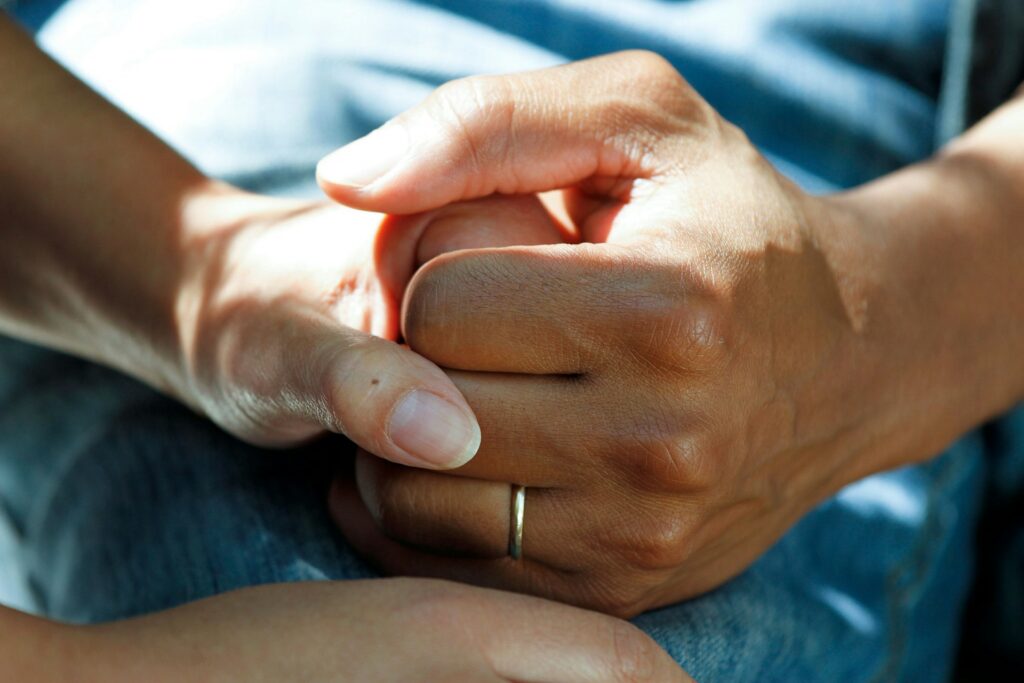
How Couples Can Create a Recovery-Friendly Home for Life After Rehab

How Couples Can Create a Recovery-Friendly Home for Life After Rehab Couple Rehabs

Couples rehab can be a haven to practice shared accountability, rebuild trust, and strengthen the relationship ultimately. When it comes to leaving the facility, it can feel like an important milestone (and it is). However, a different challenge usually awaits on the other side at home. 

Without the structure of treatment, you must now navigate daily routine, relationships, responsibilities, and the physical spaces where those old habits grew their roots. A 2026 study of people living in recovery homes found that residents who maintained regular contact with a supportive family member had higher rates of recovery. What’s distinct here is that the family member was not using alcohol or illicit substances. 

Since you will be returning home, just removing the substances won’t be enough. It’s equally important to think about household work, handling stress, and having difficult conversations. This article explores the practical side of it. We will discuss ways couples can make their home recovery-friendly for life after rehab. 


Focus First on Making the Space Feel Safer 

Whether one or both parties struggled with an addiction, the first step towards a recovery-friendly home is to think about what you might encounter. This certainly involves removing items that may act as triggers, including alcohol and other substances. 

It’s also important to go the extra mile by thinking of daily objects, medications, or situations that may become associated with the previous substance. A recent news report shed light on how the period of abstinence can reduce a person’s tolerance. This means an amount that they may have previously tolerated can now have a stronger and more fatal effect. 

It was being discussed in the wake of actress Hayden Panettiere’s death due to an accidental overdose. So, a practical move would involve removing or securing anything that may make it easy to fall back into former patterns. Let’s take a look:

  • Remove alcohol and other paraphernalia related to illicit substances instead of letting willpower do its work. 
  • Check all drawers, bags, vehicles, storage areas, and even the nooks and crannies for substances. 
  • Avoid keeping alcohol at home, even for the sake of visitors, if its presence can make recovery more challenging. 
  • Store prescription and over-the-counter medications in a secure spot in case of concerns regarding misuse. 
  • Dispose of medications that are no longer needed through an appropriate medication disposal program. 

Beyond the substances themselves, consider rooms where someone used to drink or a playlist associated with negative memories. As a couple, walk together hand-in-hand into every room and identify anything that may carry a similar association. Even if you cannot remove everything, getting rid of the immediate cues would help you both feel safe and supported. 


Take Steps to Spot the Signs of Relapse At the Earliest 

On one hand, a recovery-friendly home would make it difficult to return to one’s old ways. On the other hand, it would make it easy to identify when a relapse is on the brink. This is important because relapse does not always look like a sudden event with no preceding signs. 

Changes in sleep, mood, relationships, or daily responsibilities may indicate that a person is struggling. One partner may isolate themselves more, while the other experiences poor sleep or irritability. Some important signs to pay attention to regularly include:

  • Evident changes in sleep patterns or normal daily habits 
  • Repeated withdrawal from shared meals, activities, or conversations 
  • Unusual irritability or changes in mood 
  • Missing treatment, counseling, or recovery-related appointments 
  • Loss of interest in hobbies or activities that previously supported recovery 
  • Sudden or unexplained changes in spending or rising cash withdrawals 
  • Avoiding calls or messages from supportive people 
  • Becoming suspiciously secretive about whereabouts or activities 

Although none of these signs directly point towards a relapse alone, it never hurts to have a list that can help with mutual accountability. In case you want to make it easier still, have a color-graded system in place for a smooth discussion. 

So, green would mean that recovery is stable. Yellow would mean that one or more of the above-mentioned signs have appeared. Here, you both would pause, talk honestly about what’s happening, and reconsider additional support. The color red would indicate a full-blown crisis. In this case, follow a professional or emergency plan established beforehand. 

A 2025 CBS News report from KFF Health News described recovery programs that go a step ahead of traditional treatment. These programs help people get to medical appointments, find housing, prepare for employment, and build social connections unrelated to substances. The main takeaway here is to know that the minute the color goes red, the answer is to connect with more external support. 


Build a Wider Recovery Support System 

Perhaps your home needs an extension that can boost the support you need as a couple. In other words, a meaningful network of therapists, addiction counselors, community organizations, etc. can provide help in forms that partners cannot offer each other. 

On that note, let’s take the example of social workers. They can be especially valuable for their role in connecting people with services and addressing practical barriers to recovery. A social worker may help you find resources for housing or employment as they coordinate with other professionals in the care circle. 

It’s usually advanced preparation that allows professionals to take on this kind of complex work. Plus, many offer support even as they continue to study. Someone pursuing a social work online master’s degree would apply their knowledge in real time while maintaining flexibility around other responsibilities. 

This isn’t just about technical knowledge, although it seems so. University of the Pacific describes it this way: Professionals become agents of change with excellent client care skills and advocate to promote economic/social justice for individuals and communities. 

Such principles are especially relevant when supporting couples whose recovery may intersect with financial difficulties and family dynamics. To build a support network before a crisis, do the following:

  • Keep therapists, counselors, doctors, and peer-support contacts easily accessible. 
  • Know where to seek help with housing, employment, transportation, or family services. 
  • Agree in advance on whom to contact if one partner begins struggling. 
  • Make sure relevant professionals can work together rather than leaving the couple to manage every connection alone. 


Replace the Former Reward System With New Couple Rituals 

For many people, using a particular illicit substance is connected to a particular moment. It could be a drink after a hectic workday or the substance they shared with their partner or friends. Just taking the ritual away can leave an unexpected gap. 

So, it may be time to ask a whole different question: What did the old ritual offer? If it offered relaxation, you both may have to create another predictable way to unwind. If that ritual marked the end of a demanding week, perhaps form a Friday-evening tradition that gives something to look forward to. The goal is to replace the function of the ritual, not merely the substance involved. 

This idea of rebuilding daily life from scratch is something even the US recovery efforts on a large scale involve. According to Reuters, the Unity Recovery organization offered more than substance-use services, namely, healthcare, food, and counseling to about 8,000 people a month. Funding problems forced it to close doors in one location and reduce services at another. 

Dr. Rahul Gupta, former director of the White House Office of National Drug Control Policy, remarked, “People will die as a consequence. There’s no doubt about it. Lives are dependent upon the availability of life-saving medications like naloxone.” For one, a nationwide decline in fentanyl deaths has been reported, attributed to public health investments and the work of local organizations. 

As a couple, what you can take is the fact that recovery is easier to come by when built around a life containing meaningful support and structure. So, what do you both do? Start by identifying the moments that carry the strongest association with substance use. Then, be intentional in creating new rituals and milestones that have nothing to do with sobriety, such as:

  • Trying a new recipe together for the first time 
  • Celebrating work achievement or a completed project 
  • Marking an anniversary with a new tradition 
  • Saving for and planning a small shared experience or trip 
  • Completing a home project together 
  • Starting a seasonal tradition that belongs exclusively to you both 
  • Enjoying each other’s personal interests, hobbies, or goals unrelated to the treatment 


FAQs 

How can managers show empathy without lowering performance standards?

Managers can acknowledge an employee’s circumstances while keeping expectations clear. The key is to understand what is affecting performance, discuss reasonable solutions, and agree on measurable next steps. Compassion should provide context for accountability, not replace it. 

How can a spouse recognize possible relapse without becoming controlling?

Agree on warning signs while things are stable, such as sleep changes, isolation, irritability, missed appointments, or unusual spending. Use a shared system for discussing concerns and connecting with professional support rather than relying on surveillance or interrogation. 

What helps couples maintain recovery beyond the home?

Build a wider support network involving therapists, counselors, doctors, and community resources. At home, replace substance-linked routines with meaningful couple rituals and milestones that create connection, enjoyment, independence, and reasons to look forward to daily life. 


Key Steps of a Recovery-Friendly Home 

Focus  Key Action
Safer surroundings  Remove substances, secure medications, and identify environmental triggers. 
Relapse awareness  Watch for meaningful changes in sleep, mood, communication, or treatment participation. 
Recovery support  Keep professional and peer-support contacts accessible and know where to seek practical assistance. 
Couple rituals  Replace substance-linked routines with shared meals, hobbies, traditions, and meaningful milestones. 
Long-term recovery  Make room for independence, connection, purpose, and daily experiences beyond recovery itself. 

Life after rehab is not simply about avoiding substances. It’s equally important to rebuild your daily life, relationships, independence, and a sense of purpose that makes recovery sustainable. The home can support this process, provided you follow the steps to create a recovery-friendly space. 

In September 2026, the US Department of Health and Human Services announced $247.9 million in grants for addiction treatment, overdose prevention, and recovery services. This included $10.1 million specifically for treatment and workforce support. 

When all is said and done, do not let recovery become your entire household’s identity. Just make the necessary changes to rebuild a meaningful life so both partners have space for connection and growth. In time, your home will become a haven that supports a new life. 

Two People, Two Rehab Journeys: Why Couples Don’t Always Heal at the Same Pace

Two People, Two Rehab Journeys: Why Couples Don’t Always Heal at the Same Pace Couple Rehabs

Every couple goes into rehab wanting the same thing. Get better and keep each other.


Maybe you checked in together, or maybe one of you got there first, and the other is catching up. Either way, you probably expected to move through this as a team, side by side, and step for step.


That’s the fairytale version. Then real life kicks in. One of you is hopeful, while the other is white-knuckling through every afternoon. 


The hard, ugly truth is that recovery isn’t a shared timeline. It’s separate, messy, and traumatic. Understanding why can take a lot of pressure off both of you.


Why Recovery Doesn’t Move in Lockstep 

Each of you carries a different history, different triggers, and a different role in what happened. Of course the pace will differ.


The move from active addiction into early recovery is hard on relationships, and that’s normal, according to the Gottman Institute.


Plenty improves, but not everything becomes easier. The institute cites divorce rates estimated at four times higher for couples touched by addiction. Many breakups happen after recovery starts.


Two Recoveries, One Goal

Psychotherapist Julio Iniguez describes the balance as holding two truths at once. You’re responsible for your own healing, and you’re responsible for how you show up with your partner. 


Healing together doesn’t imply identical chronology. One of you might be in therapy while the other leans on a 12-step group, and that’s fine.

When One Partner Pulls Ahead 

Things can get complicated. One person has a breakthrough. The other is stuck in survival mode. 


Iniguez explains that this doesn’t make you incompatible. He also warns against the scoreboard mindset, the “I’m doing more work than you” trap. Keeping score turns teammates into opponents.


Practical Ways to Stay Close While Out of Sync 

Small, intentional steps can help close the gap between feeling isolated and knowing you have each other’s back.

Bring in the Right Professional 

Your mental health is tied to recovery. Psychiatric mental health nurse practitioners (PMHPs) are easily accessible. Their role entails working with people facing mental health and substance use issues. 


As qualified advanced practice nurses, they’re trained to offer assessment, therapy, and medication management. Many qualify via dual FNP/PMHNP programs, which certify them to practice as a Psychiatric Mental Health NP and a Primary Care NP. 


FNP-PMHNP dual-degree programs let students combine two specialized nursing disciplines into one degree while studying online. You are in good hands because they treat the whole person, from mental/psychiatric conditions to wellness maintenance, explains Rockhurst University.

Expect to Feel All the Feels

After a session or meeting, spend ten minutes sharing what you learned. Iniguez suggests skipping the analysis and naming your limits kindly. “I need some space before I answer” is better than going silent.


Change will feel strange at first. Psychologist Annie Tanasugarn writes that painful patterns can be oddly comfortable when they’re all you’ve known. 


“When these patterns are longstanding and have replayed often enough, you can start to believe this is just how relationships are.” – psychologist Annie Tanasugarn, via Medium.


Healthier dynamics may feel unfamiliar at first. That doesn’t mean something’s wrong.


Recovery Has Phases

Counselors map couples’ healing in three stages: recovery, restoration, and renewal. The framework is based on betrayal, but the rhythm carries over. 


The first stage is about safety and stability. The second, usually the longest, works through grief, old wounds, and trust. The third asks what kind of relationship you want next. 


Couples often loop back through stages more than once.


Picture two partners in different stages. One needs firm boundaries and calm. The other is ready to talk about the future. Neither is wrong. You’re standing on different rungs.


FAQs

Is it normal for one partner to heal faster than the other?

Yes. Different paces reflect being human, not incompatibility. The move into early recovery is hard on relationships for most couples.


Should we focus on our own recovery first and the relationship later?

Not necessarily. Individual and couple recovery aren’t mutually exclusive, and research doesn’t support waiting until you’re well into recovery. It also says there are good reasons to focus solely on yourself for a while, like timing or not wanting to engage yet.


What if I feel like I’m doing all the work?

That’s the scoreboard trap. An alternative is owning your part, something like “here’s how I contributed to the distance,” instead of measuring effort. A counselor can help you sort out what’s fair to ask for.


Can couples therapy help when we’re both in recovery?

It can, but check the fit. The research on behavioral couples therapy mostly involves couples where substance use is confined to one partner. If you’re both in recovery, ask a clinician experienced in couples and addiction which approach suits you.


By the Numbers: Recovery, Readiness, and Relationships 


Stat Source
22.3 million adults consider themselves in recovery or recovered Addiction Policy Forum
44.6 million people ages 12+ in the U.S. had a substance use disorder in 2025, down from 16.8% in 2024 Addiction Policy Forum, summarizing the 2025 NSDUH
About 2 in 5 of the 18.5 million adults with both a mental illness and an SUD received treatment for neither AddictionHelp.com, on the 2025 NSDUH
68.4% of adults with an SUD who didn’t get treatment said they weren’t ready to stop or cut back Addiction Policy Forum


Don’t Put the Relationship on Hold 

Plenty of people assume the relationship can wait until sobriety feels solid. 


The Gottman Institute pushes back, saying that idea isn’t supported by research.  Longitudinal findings suggest relationship wellness is one of the biggest predictors of long-term recovery success.


There are valid times to focus only on yourself, particularly if you fear the relationship will swallow your needs again. Good couple work protects each person’s individual recovery instead of competing with it.


What to Reflect on Before Breaking Up With a Partner With Addiction

What to Reflect on Before Breaking Up With a Partner With Addiction Couple Rehabs

Addiction can enter a relationship long before either person knows what to call it. According to a government agency survey, 69.8 million Americans aged 12 and older reported illicit drug use in 2025. 

For some couples, substance use never develops into addiction. For others, it gradually begins affecting trust, money, communication, responsibilities, and the sense of safety at home.

Medical experts recognize addiction as a chronic, relapsing mental health condition, and it is not a choice. This is where the ethical dilemma begins. How do you tell the difference between giving up on someone and caring for your own well-being?

Nearly three-quarters of Americans, or 73%, call high-risk illicit drug use a dealbreaker in a relationship. If you are standing at this crossroads, this article is for you. We can’t promise one definitive answer, but we can help you take a step in the right direction.

Your Safety Comes First

Substance use doesn’t cause every case of intimate partner violence, although it can increase risk in some relationships. A 90-day longitudinal study found that partner violence was more than twice as likely on days when alcohol, cannabis, or other drugs were used.

The CDC also lists heavy alcohol and drug use as risk factors for intimate partner violence, rather than direct causes. This distinction is important because substance use should never be used to excuse threats, intimidation, coercion, or physical harm.

If arguments become more volatile during periods of substance use, pay attention to the pattern instead of explaining each incident away. The same applies if you feel pressured to hide money, cover up injuries, or change your behavior to avoid provoking a reaction.

A few gentle questions can help you look at your situation clearly. Do you ever feel afraid after disagreements, or change your habits to avoid setting off a reaction? Do you feel free to voice your concerns openly?

Honest answers can guide your next steps, in whatever direction you lean. Your immediate safety deserves separate consideration from your partner’s recovery. If you ever feel unsafe at home, speak with someone you trust or contact a domestic violence support service before making major decisions alone.

Their Willingness to Seek Help

Despite addiction being a chronic condition, the person dealing with it does not lose the ability to participate in recovery. Before you break up, look closely at whether they are willing to acknowledge the problem and accept meaningful help.

If They Are Willing to Seek Help

If they are open to treatment, you can help them find a substance use or addiction counselor. Check the counselor’s license, credentials, and experience with substance use disorders before making an appointment. 

Many professionals build this expertise through graduate training such as a Master’s in Counseling Psychology. Today, accredited universities offer online programs for counseling psychology. The coursework allows busy professionals to move into counseling without putting their careers on hold.

A qualified counselor can support recovery through evidence-based, ethical, and culturally responsive care, notes Felician University. If private treatment feels too expensive, state-funded programs, nonprofit treatment centers, community health clinics, and support groups may offer lower-cost options.

The SAMHSA National Helpline at 1-800-662HELP (4357) can point you to options nearby.

If They Are Refusing to Get Help/in Perpetual Denial

Now, what if your partner refuses to even acknowledge the problem? What if every time you bring up getting help, they deflect, get angry, or change the subject? Denial is common in addiction and often comes from shame or fear, not a lack of love. Even so, you cannot make another adult accept treatment, and it helps to accept that early.

Pick a calm moment to talk, ideally when your partner is sober and neither of you is upset. Describe specific events and how they affected you, using “I” statements like “I felt worried when the rent went unpaid.” This usually invites less defensiveness than blame does.

If every conversation ends the same way, boundaries can bring clarity. Decide what you can live with, say it kindly, and set only limits you are prepared to keep. Many people also choose a timeframe to revisit their decision, which gives hope and stability a fair place in the same picture.

The Impact on Your Emotional Well-Being

Living alongside substance use can place a heavy mental toll on the person trying to keep the relationship steady. You may spend weeks worrying about relapse, broken promises, money, or what mood will meet you at home.

Over time, this level of stress can start affecting sleep, work, friendships, and your own emotional health. A 2024 study observed that spouses of people with substance use disorders face higher rates of depression, anxiety, and stress-related conditions.

Caroline Thain, clinical advice and governance manager at National Youth Mental Health Foundation, described this emotional strain with real compassion. “I think it’s about recognising that you are absolutely valid in those feelings because it must be incredibly heartbreaking and frustrating … to watch.”

You may also notice smaller signs of exhaustion creeping into everyday life. Trouble sleeping, constant irritability, difficulty concentrating, withdrawing from friends, or feeling tense at home can all point to emotional overload. Some people also start organizing their entire day around preventing the next crisis.

Before deciding what comes next, take an honest look at what the relationship has been costing you emotionally. Feeling worn down does not automatically mean leaving is the only answer. However, if your health keeps declining while the situation remains unchanged, protecting your own well-being may need to become a firm priority.

Frequently Asked Questions

Can a relationship survive addiction?

Yes, many do, though it usually takes sustained treatment, honest communication, and time to rebuild trust. Recovery often includes setbacks, so couples tend to do best with outside support such as therapy, family counseling, or peer groups for partners.

Is it selfish to leave a partner who is struggling with addiction?

No. Choosing to leave does not mean you’ve stopped caring. Many people leave because staying has cost them their safety, health, or stability. Caring for someone and protecting yourself can both be true at once.

Should I stay through the first year of recovery?

There is no set timeline. Early recovery can be unpredictable, and relapse is common. Some partners stay while watching for consistent effort and honest behavior, and others step back sooner. Your safety and well-being matter as much as their progress.

Key Points to Remember

Consideration Key Takeaway
Scale of the Issue SAMHSA reports that 69.8 million Americans aged 12 and older (24.0%) used illicit drugs in 2025, and 73% call high-risk use a dealbreaker.
Your Safety A 2025 study found partner violence was more than twice as likely on days involving alcohol, cannabis, or other drugs.
Willingness to Seek Help Partners open to treatment can work with licensed counselors, and the SAMHSA Helpline (1-800-662-4357) can point you to nearby options.
Your Well-Being A 2024 study found spouses of people with substance use disorders face higher rates of depression, anxiety, and stress-related conditions.

There’s Room for Both Love and Limits

Some decisions become clearer after the pressure to solve everything immediately starts to ease. This may be one of them. You can care deeply about someone while still questioning whether the relationship is sustainable. Those feelings can sit beside each other without canceling either one out. 

Give yourself permission to notice what improves, what stays unchanged, and what keeps taking more from you. A final decision does not need to come from one painful night or one hopeful conversation. It can come from a broader view of the relationship. With enough honesty, the direction forward can become much easier to recognize.

From Crisis Care to Long-Term Recovery for Couples: Who Helps After Rehab?

From Crisis Care to Long-Term Recovery for Couples: Who Helps After Rehab? Couple Rehabs

Congratulations, you’ve gotten through detox and residential treatment. You might feel relief, maybe a little pride. You made it through the hardest, scariest part together. 


But as a couple recovering side by side, that moment isn’t really the finish line. It’s the starting gun for a much longer race, one with no clear mile markers and no obvious end in sight.


That can be daunting in those first few weeks home, when the structure of treatment is gone. Everyday life comes rushing back in. It’s easy to wonder if you are supposed to figure this part out on your own.


You’re not. A whole network of people and support systems exists specifically to carry couples from that first shaky week home through years of steady footing. 


The Clinical Team That Doesn’t Disappear After Discharge 

Leaving a treatment facility doesn’t have to mean leaving medical support behind. Many couples continue working with a psychiatric mental health nurse practitioner (PMHNP). They are a specialized advanced-practice provider trained to manage medication and treat anxiety or depression.


You’re in good hands because the credential carries weight. Many PMHNPs are expertly trained through PMHNP programs online. These professionals are practicing registered nurses who prefer online PMHNP programs while working full or part-time. They have extensive experience and the know-how to track your mental health recovery timeline. 


Plus, the clinical competencies learned during online psychiatric mental health nurse practitioner programs enable them to develop evidence-based care for acute, episodic, and chronic mental health disorders, explains Cleveland State University.


That ongoing clinical relationship makes the difference between hoping the hardest part is behind you and having someone check in on how you’re both doing.

Therapists Who Treat the Relationship, Not Just the Addiction 

Individual counseling supports one partner. Couples-based therapy treats the relationship itself as part of what needs healing. 


For instance, behavioral couples’ therapy (BCT) has partners build a “recovery contract” together. One commits to abstinence, the other commits to support, and both keep working on communication as a team. 


Couples who go through this kind of treatment together tend to see bigger reductions in substance use than those who go it alone.


Peer Support: The People Who’ve Been There 

Clinical care covers the medical side. Peer support covers everything else, from the late-night cravings to the first sober dinner party.


Some treatment centers build this in directly. Recovery-focused programs concentrate on recovery coaching, mentoring, and peer support as core pieces of aftercare.


Paired with discharge planning, the approach keeps couples from feeling dropped the moment they walk out the door.

Community Groups That Never Close

Outside of any facility, groups like Al-Anon, Nar-Anon, and Recovering Couples Anonymous exist because recovery doesn’t stop at discharge.

These communities give both partners a place to talk about what’s happening at home, long after the treatment center calls stop coming. 


When Recovery Plays Out in Public 

Even high-profile stories show how much a support network counts.


When golfer Tiger Woods entered treatment, Us Weekly reported that his girlfriend Vanessa Trump’s daughter, Kai Trump, shared updates on his progress. 


It’s a small but telling reminder that recovery rarely happens in a vacuum. Partners and family end up carrying part of the process too, whether cameras are watching or not.


Don’t Forget to Help Yourself, Too 

If your partner is the one who struggled with substances, it’s tempting to pour every ounce of energy into their recovery and forget your own. 


An AGEIST advice column puts it bluntly: the supporting partner needs rest, movement, honesty about how hard this is, and, maybe hardest of all, real boundaries. 


“So, my dear, it’s time to get you on the path to your recovery. Because you deserve peace, joy, and at least a few nights without wondering if he’s doing tequila shots behind your back.” – AGEIST columnist Susan Guidi.


Loving someone through recovery shouldn’t mean losing yourself in it. 


FAQs

Do both partners need to be in recovery for couples therapy to help?

No. Even when only one partner has a substance use disorder, the other can still benefit from couples-based treatment by learning to recognize triggers and support recovery without slipping into enabling.

What’s the difference between a psychiatric nurse practitioner and a therapist?

A PMHNP is a clinical provider who can diagnose, prescribe, and manage medication for mental health and co-occurring conditions. A therapist focuses on talk-based treatment, including couples-based approaches like BCT, without prescribing.

Are peer support and recovery coaching only for the partner who used substances?

Not usually. Peer support models include coaching, mentoring, and education. These are generally designed around the household, not just the individual in treatment. 

How long does aftercare typically last?

There’s no fixed timeline. Aftercare is meant to be ongoing, with check-ins, therapy, and peer support continuing for as long as a couple finds it useful, well beyond the first year.


Recovery by the Numbers 


Stat Detail Source
94% Adults with a substance use disorder who do not receive treatment Cleveland State University
48.4 million Americans aged 12+ (16.8%) who met criteria for a substance use disorder in 2024 SAMHSA
30.5 million People who believed they personally had a substance use problem Frontiers in Public Health
8.9 million People who misused opioids in the past year SAMHSA


The Long Game

Crisis care gets couples stabilized. Long-term recovery happens after that.


They are supported by psychiatric providers, couples’ therapists, peer mentors, and community groups. Each partner makes sure they’re OK too. No single person or program carries it alone. 


That’s the point. Recovery holds together because so many hands are holding it up.