Finding a Couples Addiction Treatment Program in Ohio

Finding a Couples Addiction Treatment Program in Ohio

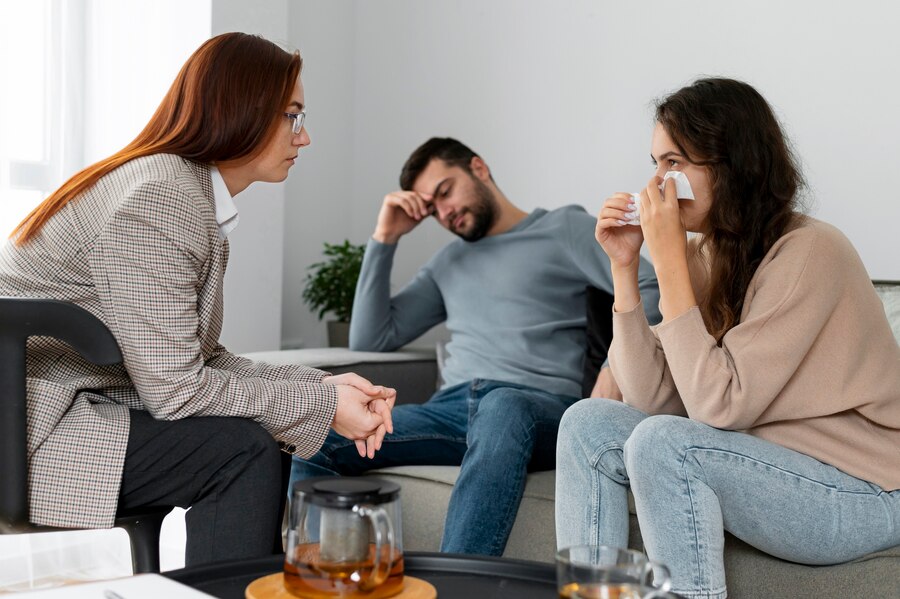
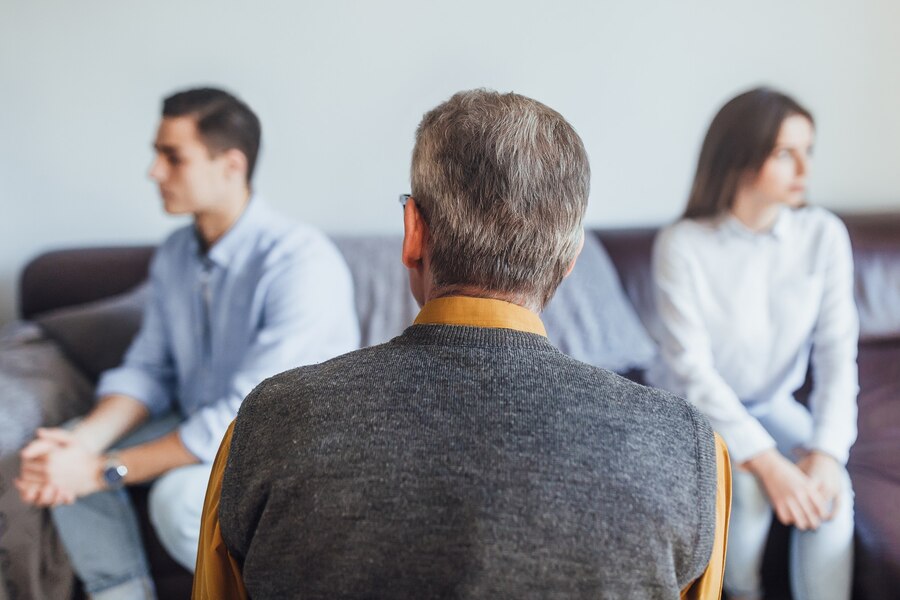
When facing the challenges of addiction, going through recovery alone can be overwhelming. However, when both partners in a relationship struggle with substance abuse, the journey becomes even more complex. Fortunately, Couples Rehabs in Ohio offers a supportive and structured environment where couples can work together towards sobriety. This guide explores the benefits of couples addiction treatment programs, how to find the best one in Ohio, and what to expect during the rehabilitation process.

Click to Contact Us

Why Choose Couples Addiction Treatment?

Strengthening Recovery Through Partnership

One of the primary benefits of a couples addiction treatment program is that it allows both partners to heal together. Addiction not only affects individuals but also puts a strain on relationships, creating tension, mistrust, and emotional distance. Couples Rehabs in Ohio understands the unique dynamics of such situations and offers a tailored approach that focuses on rebuilding trust, enhancing communication, and fostering a sense of mutual support.

Research shows that couples who undergo addiction treatment together are more likely to succeed in recovery. The shared experience of overcoming addiction fosters a deep connection, which can become a foundation for long-term sobriety. Ohio’s couples rehab programs offer a holistic approach, addressing both partners’ needs and enabling them to work through their challenges as a team.

Addressing Co-Dependency in Relationships

Co-dependency often accompanies addiction in couples, where one partner enables the other’s destructive behaviors, either consciously or unconsciously. In some cases, this dynamic can make recovery difficult unless both individuals seek help. Couples Rehabs in Ohio recognizes the importance of addressing co-dependency and employs a variety of therapeutic strategies to break unhealthy patterns while promoting healthy relationship habits.

Through a combination of individual therapy, couples counseling, and group sessions, couples addiction treatment programs in Ohio target the root causes of co-dependency and equip couples with the tools needed to build healthier, more balanced relationships.

What to Expect in a Couples Rehab Program

Initial Assessment and Personalized Treatment Plans

At the start of the program, couples undergo a comprehensive assessment at Couples Rehabs in Ohio. This evaluation looks at each partner’s history of substance use, mental health, and any underlying issues contributing to addiction. Based on this assessment, a personalized treatment plan is created that addresses the unique needs of both individuals and their relationship.

Whether you’re seeking help for alcohol addiction, drug abuse, or a combination of both, the treatment plan will include various therapeutic interventions designed to help you and your partner achieve lasting sobriety.

Detox and Withdrawal Management

Before diving into the therapeutic aspects of recovery, detoxification is often the first step in the rehab process. Detox helps rid the body of harmful substances and manage withdrawal symptoms in a safe, controlled environment. Couples Rehabs in Ohio offers medically supervised detox programs for those in need, ensuring both partners receive the necessary care and support during this crucial stage of recovery.

For many couples, detox can be physically and emotionally taxing, but by going through this experience together, partners can offer each other strength and encouragement as they navigate the early stages of recovery.

Couples Counseling and Therapy Sessions

Once detox is complete, couples can fully engage in the therapeutic side of rehab. At Couples Rehabs in Ohio, therapy plays a central role in addressing both addiction and relationship issues. The program typically includes:

  • Individual Counseling: Each partner will have one-on-one sessions with a therapist to explore personal triggers, past trauma, and other underlying factors contributing to addiction.
  • Couples Therapy: This therapy focuses on improving communication, resolving conflicts, and strengthening emotional bonds. Couples therapy helps partners understand how their behaviors affect one another and teaches them to support each other in healthy ways.
  • Group Therapy: Group therapy sessions allow couples to connect with others who are going through similar experiences. Sharing stories, offering support, and learning from the challenges faced by other couples in recovery can be a powerful motivator for long-term success.

Behavioral Therapy and Holistic Approaches

Couples Rehabs in Ohio incorporates evidence-based treatments such as Cognitive Behavioral Therapy (CBT) and Dialectical Behavior Therapy (DBT) into their programs. These therapies help individuals identify and change negative thought patterns that fuel addiction, while also teaching couples how to manage stress, emotions, and relationships more effectively.

In addition to traditional therapy, Couples Rehabs in Ohio may offer holistic approaches such as meditation, yoga, and art therapy. These methods promote overall well-being and help couples learn to cope with triggers in healthy, non-destructive ways.

Finding a Couples Addiction Treatment Program in Ohio Couple Rehabs

Finding the Best Couples Rehab in Ohio

Researching Ohio’s Addiction Treatment Centers

Ohio is home to numerous addiction treatment centers, but finding the right one for couples requires careful consideration. Couples Rehabs in Ohio provides a unique program designed specifically for partners who are battling addiction together. This comprehensive program includes all the essential components needed for successful recovery, from medically supervised detox to long-term aftercare.

When looking for the best couples rehab in Ohio, consider the following factors:

  • Accreditation and Licensing: Ensure the facility is accredited by a recognized organization, such as the Joint Commission or CARF (Commission on Accreditation of Rehabilitation Facilities). Couples Rehabs in Ohio maintains the highest standards of care, ensuring that you and your partner receive top-notch treatment.
  • Experienced Staff: Look for a rehab center with qualified professionals, including licensed therapists, addiction counselors, and medical personnel. Couples Rehabs in Ohio prides itself on having a team of experienced specialists who are dedicated to helping couples recover.
  • Comprehensive Services: Couples addiction treatment programs should offer a full range of services, from detox and therapy to aftercare planning. Couples Rehabs in Ohio provides a continuum of care, supporting couples every step of the way.

Inpatient vs. Outpatient Treatment

Couples addiction treatment programs can be either inpatient or outpatient. Inpatient treatment involves staying at the facility full-time, providing a structured environment with 24/7 support. Outpatient treatment, on the other hand, allows couples to live at home while attending therapy and counseling sessions regularly.

The choice between inpatient and outpatient care depends on various factors, including the severity of addiction, the presence of co-occurring mental health disorders, and personal preferences. Couples Rehabs in Ohio offers both options, allowing couples to choose the program that best fits their needs and lifestyle.

Tailored Programs for Dual Diagnosis

Many couples struggling with addiction also face mental health issues, such as anxiety, depression, or PTSD. This is known as a dual diagnosis, and it requires specialized treatment that addresses both addiction and mental health simultaneously. Couples Rehabs in Ohio provides dual diagnosis programs tailored to the needs of couples, ensuring that both partners receive the comprehensive care they deserve.

By treating mental health conditions alongside addiction, couples are more likely to achieve lasting recovery and rebuild their relationships on a solid foundation.

Aftercare and Ongoing Support

Transitioning Back to Daily Life

Recovery doesn’t end when a rehab program concludes. Couples Rehabs in Ohio recognizes that transitioning back to daily life can be challenging, which is why they offer comprehensive aftercare services to help couples maintain their sobriety. Aftercare may include ongoing counseling, support groups, and relapse prevention strategies that empower couples to stay on track.

Many couples find that continuing therapy and staying connected with a recovery community are key components of long-term success. Couples Rehabs in Ohio encourages couples to take advantage of all available resources, ensuring they have the support needed to face life’s challenges together.

Relapse Prevention Strategies for Couples

Relapse is a common concern in addiction recovery, but with the right strategies, couples can reduce the risk and maintain their sobriety. Couples Rehabs in Ohio provides relapse prevention programs that teach couples how to identify triggers, develop coping mechanisms, and set healthy boundaries.

Through ongoing therapy and a strong support system, couples can work together to avoid relapse and continue building a healthier, substance-free life.

FAQ

What is a couples addiction treatment program?

A couples addiction treatment program is a rehab program designed for partners who are struggling with substance abuse together. It provides therapy and support to help both individuals overcome addiction while addressing relationship dynamics.

Can couples go through detox together?

Yes, many couples addiction treatment programs, including Couples Rehabs in Ohio, offer medically supervised detox for both partners. Detox helps cleanse the body of harmful substances before starting therapy.

How does couples therapy help during rehab?

Couples therapy focuses on improving communication, resolving conflicts, and rebuilding trust. It helps partners understand how their behaviors affect one another and provides tools for supporting each other in healthy ways.

Is it better to choose inpatient or outpatient rehab for couples?

The choice between inpatient and outpatient rehab depends on the severity of addiction and personal preferences. Couples Rehabs in Ohio offers both options, allowing couples to choose the program that best fits their needs.

What is dual diagnosis treatment?

Dual diagnosis treatment addresses both addiction and co-occurring mental health conditions, such as anxiety or depression. Couples Rehabs in Ohio offers tailored dual diagnosis programs for couples to ensure comprehensive care.

How long does couples rehab take?

The length of rehab varies based on individual needs, but most programs last from 30 to 90 days. Couples Rehabs in Ohio provides personalized treatment plans that adjust the duration based on progress.

What support is available after rehab?

Aftercare services, including ongoing therapy and support groups, are available to help couples transition back to daily life and maintain sobriety. Couples Rehabs in Ohio offers aftercare programs tailored to the needs of couples.

Can couples relapse together after rehab?

Relapse is a risk in recovery, but with proper support and relapse prevention strategies, couples can reduce the likelihood of relapse. Couples Rehabs in Ohio provides relapse prevention programs to help couples stay on track.

Conclusion

Finding a couples addiction treatment program in Ohio can be the first step toward a healthier, happier future for you and your partner. Couples Rehabs in Ohio offers a comprehensive and compassionate approach to recovery, providing the tools and support needed to overcome addiction while strengthening your relationship. With personalized treatment plans, expert staff, and a focus on holistic well-being, Couples Rehabs in Ohio is committed to helping couples achieve lasting sobriety and rebuild their lives together.

If you and your partner are ready to take the first step towards recovery, reach out to Couples Rehabs in Ohio today. Together, you can begin your journey toward healing and a brighter future.

Financial Assistance and Insurance Coverage in Ohio

Financial Assistance and Insurance Coverage in Ohio

Couples therapy can be a transformative experience, helping partners improve communication, resolve conflict, and strengthen their relationship. However, one of the main concerns many couples face when considering therapy is the cost. In Ohio, there are numerous options available to make couples therapy more affordable, from financial assistance programs to insurance coverage. At Couples Rehabs, based in Ohio, we understand the importance of accessible mental health care and are committed to helping couples navigate the complexities of payment options for therapy.

This article provides an in-depth guide to financial assistance and insurance coverage for couples therapy in Ohio. We’ll explore the various avenues that can help reduce the financial burden, ensuring that more couples can access the help they need. Whether you are seeking therapy for relationship improvement, addiction recovery support, or mental health issues, this guide will help you understand the options available to make therapy more affordable.

Click to Contact Us

Why is Couples Therapy Important?

Before diving into financial considerations, it’s important to understand why couples therapy is worth the investment. Many couples experience periods of difficulty, whether due to stress, life changes, or persistent conflict. Therapy offers a structured environment where couples can learn new communication strategies, rebuild trust, and develop healthier relationship dynamics. At Couples Rehabs in Ohio, our team of licensed therapists specializes in helping couples find common ground and work through their challenges in a supportive, professional setting.

The Costs of Couples Therapy in Ohio

The cost of therapy varies depending on the provider, location, and the length of sessions. In Ohio, couples therapy typically ranges from $75 to $200 per session, with most couples attending weekly sessions. Over time, these costs can add up, particularly for those seeking long-term therapy. Understanding the financial implications ahead of time is key to managing the expense and finding ways to cover the cost through insurance or financial aid.

Exploring Insurance Coverage for Couples Therapy

Does Insurance Cover Couples Therapy?

One of the most common questions couples ask is whether their health insurance will cover the cost of therapy. While the answer largely depends on the specific insurance plan, many plans do offer coverage for mental health services, which can include couples addiction therapy. At Couples Rehabs in Ohio, we encourage all of our clients to contact their insurance provider to verify the details of their coverage. Some insurance plans may only cover therapy if it’s related to a diagnosable mental health condition, such as depression or anxiety, which impacts one or both partners.

How to Verify Insurance Benefits for Couples Therapy

Understanding what your insurance plan covers is crucial before beginning therapy. Most insurance companies have an online portal or a customer service hotline that can provide details about your plan. When checking for couples therapy coverage, ask about the following:

  • Does the plan cover mental health services, including therapy for couples?
  • Are there any restrictions on which therapists you can see?
  • Do you need a referral from a primary care provider?
  • Is there a deductible, co-pay, or out-of-pocket maximum?

At Couples Rehabs in Ohio, we assist our clients in navigating their insurance benefits and can provide documentation or referrals if required by your insurance provider.

In-Network vs. Out-of-Network Coverage

Insurance plans typically differentiate between in-network and out-of-network providers. In-network therapists have agreed to a contracted rate with your insurance company, which generally means lower costs for you. Out-of-network providers, on the other hand, may charge higher fees, and your insurance may only cover a portion of these costs or none at all.

If Couples Rehabs in Ohio is out-of-network for your insurance plan, we can help you explore options for filing a reimbursement claim or consider a sliding scale payment plan to help reduce your out-of-pocket expenses.

Financial Assistance for Couples Therapy in Ohio

Sliding Scale Payment Options

For those without insurance or whose insurance does not cover couples therapy, sliding scale payment options can make therapy more affordable. Sliding scale pricing adjusts the cost of therapy based on your income, allowing couples with lower incomes to pay a reduced fee. Many therapists, including those at Couples Rehabs in Ohio, offer sliding scale payment plans to ensure that therapy remains accessible to couples from all financial backgrounds.

When considering a sliding scale option, it’s important to ask the therapist about their policy upfront. Some may offer a fixed discount based on income brackets, while others will adjust fees on a case-by-case basis. At Couples Rehabs in Ohio, we work closely with our clients to develop a payment plan that fits within their budget while maintaining the highest quality of care.

State-Funded Programs and Grants

Ohio offers several state-funded programs and grants aimed at making mental health care more affordable. These programs often include couples therapy as part of their services. For example, Ohio’s Medicaid program provides coverage for mental health services, including therapy, to eligible low-income individuals and families.

In addition to Medicaid, there are nonprofit organizations and government-funded grants that can help cover therapy costs. While these programs typically cater to specific populations, such as veterans or survivors of domestic violence, they can provide significant financial relief for those who qualify.

Employee Assistance Programs (EAPs)

Many employers in Ohio offer Employee Assistance Programs (EAPs) as part of their benefits package. EAPs often include free or low-cost counseling sessions for employees and their families, which may cover couples therapy. If you or your partner has access to an EAP, this can be a valuable resource for obtaining short-term therapy at little to no cost.

At Couples Rehabs in Ohio, we work with clients to determine if their EAP benefits can be applied to therapy services. Many EAPs offer a set number of sessions per year, so it’s important to check with your employer to understand the details of your plan.

Using Health Savings Accounts (HSAs) or Flexible Spending Accounts (FSAs) for Couples Therapy

For couples with high-deductible health plans, Health Savings Accounts (HSAs) or Flexible Spending Accounts (FSAs) can be used to cover the cost of therapy. Both HSAs and FSAs allow you to set aside pre-tax dollars to pay for qualified medical expenses, which may include couples therapy if it’s deemed medically necessary.

At Couples Rehabs in Ohio, we provide detailed receipts that you can submit for reimbursement through your HSA or FSA. Be sure to check with your account provider to confirm what documentation is needed and whether couples therapy qualifies as a reimbursable expense under your specific plan.

Financial Planning for Long-Term Therapy

Couples therapy can be a long-term commitment, especially for those dealing with complex issues such as addiction recovery, trauma, or severe relationship conflicts. For couples in Ohio looking to invest in long-term therapy, planning ahead financially is key.

Creating a budget that accounts for the ongoing costs of therapy, exploring all available insurance and financial assistance options, and setting realistic expectations for the length of therapy can help alleviate the financial stress that sometimes accompanies long-term care. At Couples Rehabs in Ohio, we encourage couples to be proactive about financial planning, and we offer flexible payment plans to accommodate extended therapy needs.

Financial Assistance and Insurance Coverage in Ohio Couple Rehabs

How Couples Rehabs in Ohio Can Help

At Couples Rehabs in Ohio, we are dedicated to providing high-quality couples therapy that is accessible and affordable. We understand that financial concerns can be a significant barrier to seeking help, and we are committed to working with couples to explore all available options for financial assistance and insurance coverage.

Our team is experienced in navigating the complexities of insurance, and we offer sliding scale fees and flexible payment plans to ensure that cost is not a barrier to care. Whether you are seeking therapy to strengthen your relationship, support your recovery journey, or address mental health challenges, we are here to help.

Frequently Asked Questions

What is the cost of couples therapy in Ohio?

The cost of couples therapy in Ohio typically ranges from $75 to $200 per session, depending on the provider and location.

Does insurance cover couples therapy in Ohio?

Insurance may cover couples therapy if it’s related to a mental health condition. It’s important to check with your provider to confirm specific coverage details.

What financial assistance options are available for couples therapy in Ohio?

Options include sliding scale fees, Medicaid for eligible individuals, state-funded programs, and Employee Assistance Programs (EAPs).

Can I use my HSA or FSA to pay for couples therapy?

Yes, Health Savings Accounts (HSAs) and Flexible Spending Accounts (FSAs) can often be used to pay for couples therapy if it’s considered medically necessary.

What is a sliding scale fee?

A sliding scale fee adjusts the cost of therapy based on your income, making it more affordable for low-income individuals or couples.

How can Couples Rehabs in Ohio help with financial concerns?

At Couples Rehabs in Ohio, we offer sliding scale fees, flexible payment plans, and assistance with insurance verification to make therapy more affordable.

Are there free therapy options available in Ohio?

While couples therapy is rarely free, some Employee Assistance Programs (EAPs) and state-funded programs may offer short-term free or low-cost counseling services.

How do I check my insurance coverage for couples therapy?

You can contact your insurance provider directly or use their online portal to verify coverage for mental health services, including couples therapy.

Do therapists at Couples Rehabs in Ohio offer payment plans?

Yes, Couples Rehabs in Ohio offers flexible payment plans to help make therapy more accessible for couples.

Is long-term couples therapy more expensive?

While long-term therapy involves more sessions, planning ahead financially and using available financial aid can help manage the cost over time.

Conclusion

Investing in couples therapy is an important step toward improving your relationship and emotional well-being. While the cost of therapy can be a concern, there are numerous options available to make it more affordable, from insurance coverage to financial assistance programs. At Couples Rehabs in Ohio, we are committed to helping couples navigate these options, ensuring that therapy is accessible to everyone who needs it.

If you’re considering couples therapy but are worried about the cost, reach out to us today to learn more about our payment plans, sliding scale options, and how we can help you make therapy more affordable. Remember, a healthy relationship is one of the best investments you can make, and we’re here to support you every step of the way.

Choosing the Right Rehab Program in Ohio

Choosing the Right Rehab Program in Ohio

Choosing the right rehab program is a critical step in your journey toward recovery. With so many options available, it can be overwhelming to find a program that fits your specific needs. Couples Rehabs, based in Ohio, offers tailored treatment options that ensure individuals and couples alike get the support they need in overcoming addiction. Whether you are seeking inpatient care, outpatient programs, or holistic approaches to recovery, this guide will help you make an informed decision.

In this article, we will explore the factors that should influence your choice, the types of programs available, and how Couples Rehabs in Ohio stands out as a premier option for addiction treatment.

Click to Contact Us

Understanding Your Needs

Before you begin your search for the right rehab program in Ohio, it’s important to assess your personal needs and preferences. The right program for you depends on various factors, including the severity of your addiction, co-occurring mental health disorders, your support system, and your preferences for treatment style. Couples Rehabs in Ohio focuses on helping clients understand these needs through comprehensive evaluations and personalized care plans.

Factors to Consider When Choosing a Rehab Program

Here are the key considerations that will help you make the best choice:

  1. Level of Care: Do you need 24/7 supervision (inpatient care) or more flexibility (outpatient care)?
  2. Treatment for Co-occurring Disorders: Do you need treatment for mental health issues in addition to addiction?
  3. Type of Addiction: Whether you are struggling with alcohol, prescription drugs, or illicit substances, certain programs specialize in specific forms of addiction.
  4. Holistic vs. Traditional Approaches: Are you looking for a holistic approach that includes physical, mental, and spiritual healing, or do you prefer a more traditional medical model?
  5. Location: How important is being close to home versus seeking treatment elsewhere in Ohio? Couples Rehabs offers both local and remote treatment options to meet diverse needs.
  6. Insurance and Payment Options: Make sure the rehab center you choose accepts your insurance or offers financing options that work for your budget.

Types of Rehab Programs Available in Ohio

Ohio offers a variety of rehab options, from traditional inpatient facilities to outpatient programs that allow more flexibility. Couples Rehabs in Ohio provides a range of evidence-based treatments designed to address the unique needs of each individual.

Inpatient Rehab Programs

Inpatient rehab, also known as residential treatment, is an intensive program where you stay at the facility for the duration of your treatment. This is often recommended for individuals with severe addictions or those who have relapsed after previous treatment. At Couples Rehabs in Ohio, we offer a comfortable, safe environment for individuals and couples to focus entirely on recovery.

Key benefits of inpatient rehab at Couples Rehabs include:

  • 24/7 supervision and medical care
  • A structured environment that minimizes triggers and distractions
  • Access to a variety of therapies, including individual and group counseling, family therapy, and couples counseling
  • Detoxification services for those needing help with withdrawal symptoms

Outpatient Rehab Programs

Outpatient rehab programs provide flexibility for individuals who cannot commit to a residential stay or who have work, school, or family obligations. Couples Rehabs in Ohio offers outpatient programs designed to offer the same high-quality care as our inpatient options but with more flexibility in scheduling.

Key benefits of outpatient rehab include:

  • Flexibility to attend to daily responsibilities while receiving treatment
  • Access to the same therapies and counseling services as inpatient programs
  • Support groups and aftercare to help you stay sober long-term
  • Ideal for individuals with less severe addictions or those transitioning from inpatient care

Partial Hospitalization Programs (PHP)

For those who require a more intensive treatment than traditional outpatient care but do not need to stay in a residential facility, Couples Rehabs in Ohio offers partial hospitalization programs. PHP provides structured, full-day treatment while allowing you to return home in the evenings.

Key benefits of PHP include:

  • Daily access to therapy and medical care without staying overnight
  • Intensive structure and support while maintaining some personal freedom
  • A balance between inpatient and outpatient care

Intensive Outpatient Programs (IOP)

For individuals who have completed inpatient care or for those needing a more flexible treatment option, Intensive Outpatient Programs (IOP) provide a higher level of care than traditional outpatient programs. Couples Rehabs in Ohio’s IOP allows you to receive structured treatment several days a week while living at home.

Key benefits of IOP include:

  • More therapy hours than traditional outpatient care
  • Flexibility to maintain work or school commitments
  • Support during the transition from inpatient care back to daily life

Detox Programs

Detox is the first step for many individuals struggling with substance abuse. This process helps to remove toxins from the body and manage withdrawal symptoms. Couples Rehabs in Ohio offers medically supervised detox programs to ensure safety and comfort throughout the withdrawal process.

Key benefits of detox programs include:

  • 24/7 medical supervision to manage withdrawal symptoms safely
  • Emotional support to help you navigate the challenges of early recovery
  • A seamless transition into inpatient or outpatient treatment once detox is complete

Specialized Programs at Couples Rehabs Ohio

Couples Rehabs in Ohio understands that no two individuals or couples have the same journey. That’s why we offer specialized programs that address the unique needs of our clients, ensuring personalized care and greater chances of long-term recovery.

Couples Rehab

At Couples Rehabs in Ohio, we recognize that addiction can impact relationships just as much as individuals. Our couples rehab program provides an opportunity for both partners to recover together, supporting each other through the process.

Key features of couples rehab include:

  • Couples therapy sessions to address relationship dynamics and co-dependency
  • Individual counseling for each partner to focus on personal growth and sobriety
  • Educational workshops to improve communication, trust, and mutual support
  • A safe and supportive environment for both partners to heal together

Choosing the Right Rehab Program in Ohio Couple Rehabs

Trauma-Informed Care

Many individuals struggling with addiction have experienced trauma in their lives. Our trauma-informed care programs at Couples Rehabs Ohio ensure that clients feel safe and supported as they address underlying issues that contribute to addiction.

Key features of trauma-informed care include:

  • Therapies designed to help process and heal from trauma
  • A supportive environment where clients feel safe to share their experiences
  • Therapists trained in trauma-informed practices

Dual Diagnosis Treatment

For individuals with both addiction and mental health disorders, it’s essential to address both conditions simultaneously. Couples Rehabs in Ohio offers dual diagnosis treatment to provide comprehensive care for both addiction and co-occurring mental health disorders like depression, anxiety, PTSD, or bipolar disorder.

Key features of dual diagnosis treatment include:

  • Integrated treatment plans that address both addiction and mental health
  • Medication management for mental health disorders when necessary
  • Holistic therapies to support emotional, mental, and physical well-being

The Importance of Aftercare and Support

Recovery doesn’t end after treatment. To maintain sobriety, aftercare and ongoing support are essential components of long-term recovery. Couples Rehabs in Ohio provides comprehensive aftercare services to help clients stay on track after completing treatment.

Aftercare Programs

Our aftercare programs are designed to support individuals and couples as they transition back into their daily lives. Aftercare at Couples Rehabs in Ohio includes:

  • Access to support groups and 12-step programs
  • Continued therapy sessions to address ongoing challenges
  • Relapse prevention planning and strategies
  • Ongoing support for both partners in our couples program

Why Choose Couples Rehabs Ohio?

At Couples Rehabs Ohio, we offer a comprehensive, personalized approach to addiction recovery. Our programs are designed to meet the unique needs of each individual and couple, providing the tools and support necessary for long-term success. Whether you are looking for inpatient care, outpatient services, or specialized couples rehab, we are here to help you through every step of your recovery journey.

Key reasons to choose Couples Rehabs in Ohio include:

  • Personalized treatment plans tailored to your specific needs
  • A compassionate and experienced team of professionals
  • A range of treatment options, from inpatient to outpatient, detox, and aftercare
  • Support for both individuals and couples as they navigate recovery together

Frequently Asked Questions (FAQs)

1. What should I consider when choosing a rehab program in Ohio?

Consider your personal needs, the level of care required, the type of addiction, and whether you need treatment for co-occurring mental health disorders.

2. What types of rehab programs are available in Ohio?

Ohio offers inpatient, outpatient, partial hospitalization programs (PHP), intensive outpatient programs (IOP), and detox services.

3. How do couples rehab programs work?

Couples rehab programs provide therapy and support for both partners, addressing individual and relationship challenges during recovery.

4. What is dual diagnosis treatment?

Dual diagnosis treatment addresses both addiction and co-occurring mental health disorders simultaneously to ensure comprehensive care.

5. How important is aftercare in recovery?

Aftercare is crucial for maintaining sobriety and includes support groups, ongoing therapy, and relapse prevention strategies.

6. Can I choose outpatient treatment while working or attending school?

Yes, outpatient programs offer flexibility, allowing you to manage daily responsibilities while receiving treatment.

7. What makes Couples Rehabs in Ohio unique?

Couples Rehabs offers personalized treatment plans, specialized programs for couples, and a compassionate team dedicated to supporting recovery.

8. How do I get started with Couples Rehabs in Ohio?

Contact Couples Rehabs to schedule an assessment and discuss your treatment options tailored to your specific needs.

Conclusion

Choosing the right rehab program in Ohio is one of the most important decisions you can make on your path to recovery. By considering your personal needs, the types of programs available, and the specialized care offered at Couples Rehabs Ohio, you can find the best fit for your journey. Whether you need residential treatment, outpatient care, or specialized couples rehab, our Ohio facility is here to provide the support, guidance, and compassion you need.

Start your journey to recovery today with Couples Rehabs Ohio. Contact us to learn more about our programs and find the right treatment option for you or your loved ones. Together, we can help you build a healthy, fulfilling life free from addiction.

Couples Rehab South Dakota

Couples Rehab South Dakota

South Dakota Couples Rehab: Healing Together on the Path to Recovery

In the picturesque landscapes of South Dakota, couples struggling with addiction have the opportunity to reclaim their lives and relationships through specialized programs at Couples Rehab and their recovery partners. Addiction can strain even the strongest partnerships, but with the right support, couples can heal together and emerge stronger. This blog post will explore the essential services offered by Couples Rehab South Dakota, including detox, inpatient and outpatient programs, and aftercare support, all tailored to meet the unique needs of couples in recovery.

Understanding Couples Rehab

What is Couples Rehab?

Couples Rehab is a dedicated treatment program designed for partners dealing with substance use disorders. Unlike traditional rehab programs that focus solely on the individual, Couples Rehab recognizes the interconnectedness of relationships and aims to foster joint recovery. By addressing both partners’ challenges simultaneously, the program helps rebuild trust, enhance communication, and develop healthier coping mechanisms.

Why Choose Couples Rehab in South Dakota?

  • Joint Support: Couples can support each other through the recovery journey, sharing their experiences and challenges.
  • Tailored Treatment: Programs are customized to address the specific needs of both partners.
  • Relationship-Focused: Therapeutic approaches emphasize improving the couple’s relationship while working on individual recovery.

The Detox Process

Detoxification is the first step in overcoming addiction. For couples, this stage can be particularly daunting, but a South Dakota couples rehab offers a supportive and medically supervised detox program.

What to Expect During Detox

  1. Medical Supervision: Licensed professionals provide 24/7 monitoring to manage withdrawal symptoms safely.
  2. Customized Plans: Detox plans are tailored to each partner’s unique substance use history and health needs.
  3. Emotional Support: Couples are encouraged to lean on each other during this challenging phase, fostering a sense of unity.

Importance of Detox

Detox is not just about quitting substances; it’s a critical preparation phase for further treatment. A successful detox lays the groundwork for ongoing therapy and recovery, allowing couples to focus on healing and personal growth.

Inpatient Treatment

Following detox, many couples transition into an inpatient treatment program. This residential setting provides a structured environment conducive to healing. Whether you are in a commited relationship or a married couple, getting treatment together may be the best thing for your health.

Benefits of Inpatient Treatment

  • 24/7 Care: Constant access to medical staff and support professionals.
  • Therapeutic Environment: Inpatient programs offer various therapeutic activities, including individual and group therapy.
  • Relationship Counseling: Couples engage in therapy sessions specifically designed to address their relationship dynamics.

Types of Therapy Offered

  1. Cognitive Behavioral Therapy (CBT): Helps couples identify and change negative thought patterns that contribute to addiction.
  2. Couples Therapy: Focuses on improving communication, rebuilding trust, and enhancing emotional intimacy.
  3. Family Therapy: Involves family members to address the broader impacts of addiction on family dynamics.

Outpatient Programs

For couples who have completed inpatient treatment or those who require a more flexible option, a Couples Rehab center in South Dakota offers comprehensive outpatient programs.

Features of Outpatient Programs

  • Flexible Scheduling: Couples can attend sessions at times that fit their work and family commitments.
  • Continued Support: Outpatient programs include ongoing therapy sessions and support groups to keep couples engaged in their recovery.
  • Life Skills Training: Focuses on practical skills necessary for maintaining sobriety and improving relationships.

Benefits of Outpatient Care

Outpatient treatment is beneficial for couples who have a stable home environment and want to continue their recovery while resuming their daily lives. This model encourages accountability and allows couples to practice new skills in real-world situations.

Aftercare Programs

Recovery doesn’t end with the completion of treatment; aftercare is vital for maintaining long-term sobriety and relationship health. Couples Rehab’s South Dakota program offers comprehensive aftercare support to help couples transition back into daily life.

Components of Aftercare

  1. Alumni Programs: Connects couples with others who have completed treatment, fostering a supportive community.
  2. Ongoing Therapy: Couples can continue to engage in therapy to address any new challenges that arise.
  3. Support Groups: Regular meetings provide a platform for couples to share their experiences and challenges in a supportive environment.

Importance of Aftercare

Aftercare is crucial for preventing relapse. The transition back to everyday life can be overwhelming, and having a support system in place helps couples navigate this phase successfully. Contact us today and learn more about relapse prevention for long term sobriety.

The Role of Communication in Recovery

Effective communication is essential for any relationship, especially during the recovery process. A rehab for couples in South Dakota emphasizes developing healthy communication skills to strengthen partnerships.

Techniques to Enhance Communication

  • Active Listening: Partners learn to listen to each other without judgment, creating a safe space for open dialogue.
  • Expressing Needs: Couples are taught to express their feelings and needs clearly, reducing misunderstandings.
  • Conflict Resolution: Skills to manage and resolve conflicts in a healthy manner are a key focus in therapy sessions.

Building a Healthy Future Together

Recovery is not just about abstaining from substances; it’s about building a fulfilling life together. Our Couples Rehab program in South Dakota helps partners not only overcome addiction but also enhance their relationship. Find out more by visiting our about us page, and discover your treatment options.

Tools for a Healthy Relationship

  • Setting Goals Together: Couples learn to set and pursue shared goals, fostering teamwork and commitment.
  • Engaging in Healthy Activities: Exploring hobbies, exercising, and participating in community events can strengthen bonds.
  • Prioritizing Self-Care: Both partners are encouraged to prioritize their own well-being, which benefits the relationship.

Call to Action: Start Your Journey Today

If you and your partner are struggling with addiction, don’t wait to seek help. Couples Rehab South Dakota is here to support you every step of the way. Our dedicated team understands the complexities of addiction in relationships and is committed to providing personalized care tailored to your unique needs.

Reach Out for Help

Contact Couples Rehab in South Dakota today to learn more about our comprehensive treatment programs. Whether you need detox, inpatient care, outpatient services, or aftercare support, we are ready to help you and your partner embark on the journey to recovery together.

Get Help Today

Couples facing addiction can find hope and healing at a Couples Rehab in South Dakota. Through detox, inpatient and outpatient programs, and comprehensive aftercare, couples can rebuild their lives and relationships. The road to recovery is challenging, but with the right support, it can lead to a brighter, healthier future together. Don’t hesitate—take the first step towards healing today!

Top Couples Rehab Questions in South Dakota

1. What is Couples Rehab South Dakota?

Answer: Couples Rehab’s South Dakota programs is a specialized treatment program designed for couples struggling with addiction. It focuses on joint recovery, helping partners support each other while addressing their individual and relational challenges.

2. What types of addiction are treated at Couples Rehab?

Answer: Couples Rehab treats various substance use disorders, including alcohol, opioids, prescription drugs, stimulants, and illicit substances.

3. What is the detox process like?

Answer: The detox process involves medically supervised withdrawal to ensure safety and comfort. Each partner’s detox plan is customized based on their substance use history and health needs.

4. What are the benefits of inpatient treatment?

Answer: Inpatient treatment provides a structured environment with 24/7 medical support, therapeutic activities, and relationship-focused counseling to help couples work on their recovery together.

5. How does outpatient treatment differ from inpatient care?

Answer: Outpatient treatment allows couples to attend therapy sessions while maintaining their daily responsibilities. It offers flexibility and continued support without the need for residential care.

6. What types of therapy are offered at Couples Rehab?

Answer: Couples Rehab offers several types of therapy, including Cognitive Behavioral Therapy (CBT), couples counseling, and family therapy, all aimed at improving communication and addressing relational issues.

7. What is the importance of aftercare?

Answer: Aftercare is crucial for maintaining long-term sobriety and relationship health. It provides ongoing support and resources to help couples transition back into everyday life after treatment.

8. How can couples improve their communication during recovery?

Answer: Couples can enhance communication by practicing active listening, expressing their needs clearly, and learning conflict resolution techniques to manage disagreements healthily.

9. Is family therapy included in the program?

Answer: Yes, family therapy is often included in the treatment program to address family dynamics and support systems, which can significantly impact recovery outcomes for couples.

10. How can I get started with Couples Rehab South Dakota?

Answer: To get started, you can contact Couples Rehab South Dakota directly through their website or phone. They will provide information about available programs and guide you through the admission process.

Here are key .gov resources for substance abuse and mental health support in South Dakota, including links and descriptions:

1. South Dakota Department of Social Services – Behavioral Health

Description: This department provides resources for mental health and substance use disorder treatment, including information on services and funding. Website: SD Department of Social Services – Behavioral Health Contact Number: (605) 773-3165

2. South Dakota Department of Health

Description: The Department of Health offers various resources related to mental health and substance abuse, including prevention and treatment programs. Website: SD Department of Health Contact Number: (605) 773-3737

3. South Dakota Division of Behavioral Health

Description: This division oversees mental health and substance abuse programs across the state and provides information about available services and resources. Website: SD Division of Behavioral Health Contact Number: (605) 773-3123

4. South Dakota 211

Description: A statewide resource for finding local services, including mental health and substance abuse support. Users can call or visit the website for assistance. Website: South Dakota 211 Contact Number: 211 (or 1-800-233-9999)

5. South Dakota Department of Human Services – Substance Abuse

Description: This department provides information on substance abuse treatment options and resources available throughout South Dakota. Website: SD Department of Human Services Contact Number: (605) 773-3560

6. National Suicide Prevention Lifeline (available in South Dakota)

Description: A 24/7 service providing support for people in distress, prevention, and crisis resources, accessible nationwide, including South Dakota. Website: National Suicide Prevention Lifeline Contact Number: 1-800-273-TALK (1-800-273-8255)

These resources provide vital information and assistance for individuals and families seeking help with substance abuse and mental health issues in South Dakota.

Couples Rehab Wyoming

Couples Rehab Wyoming: A Path to Healing Together

In the serene landscapes of Wyoming, where majestic mountains meet tranquil rivers, couples struggling with addiction can find solace and support at Couples Rehab. The journey to recovery is not easy, but it is essential, especially for couples facing the unique challenges of substance abuse. This blog post will explore the various programs offered at Couples Rehab Wyoming, including detox, inpatient care, outpatient services, and aftercare, all designed to help couples heal together and build a stronger future.


Couples Addiction Helpline: (888) 325-2454


Understanding Couples Rehab

Couples Rehab in Wyoming is specifically tailored for partners battling addiction. The program recognizes that addiction not only affects individuals but also profoundly impacts relationships. By focusing on both partners simultaneously, Couples Rehab aims to foster mutual support, enhance communication, and develop healthy coping strategies. Learn more about us now and find a center that will assist you and your partner.

Why Choose Couples Rehab?

  • Joint Recovery: Couples often share similar struggles. Addressing these challenges together can lead to more effective recovery.
  • Supportive Environment: Being in a facility that understands the dynamics of relationships creates a safe space for healing.
  • Comprehensive Programs: Couples Rehab offers a range of treatment options that cater to both partners’ needs.

The Detox Process

Detoxification is the first crucial step in any addiction recovery journey. For couples, this stage can be particularly challenging as both partners may experience withdrawal symptoms simultaneously. Couples Rehab Wyoming provides a medically supervised detox program designed to ensure safety and comfort.

What to Expect During Detox

  1. Medical Supervision: Licensed professionals monitor both partners around the clock, managing withdrawal symptoms and ensuring safety.
  2. Individualized Plans: Each partner’s detox plan is customized based on their substance use history and medical needs.
  3. Supportive Care: Couples are encouraged to support each other during detox, fostering a sense of teamwork and unity.

Importance of Detox

Detox is not just about stopping substance use; it’s about preparing for the next stages of recovery. A successful detox lays the foundation for further treatment, allowing couples to focus on healing both individually and as a unit.

Inpatient Treatment

After detox, couples typically transition into an inpatient treatment program. This residential setting provides a structured environment where couples can immerse themselves in recovery without distractions.

Benefits of Inpatient Treatment

  • 24/7 Support: Couples have constant access to healthcare professionals and support staff.
  • Therapeutic Activities: Inpatient programs include individual and group therapy, skill-building workshops, and holistic therapies such as yoga and meditation.
  • Focus on Relationship Dynamics: Couples engage in therapy that specifically addresses relational issues and communication barriers.

Types of Therapy Offered

  1. Cognitive Behavioral Therapy (CBT): Helps couples identify and change negative thought patterns that contribute to addiction.
  2. Couples Counseling: Focuses on improving communication, rebuilding trust, and developing healthier interaction patterns.
  3. Family Therapy: Involves family members in the recovery process, addressing how family dynamics can influence addiction.

Outpatient Programs

For couples who have completed inpatient treatment or those whose situations may not require residential care, Couples Rehab offers outpatient programs. These flexible options allow partners to continue their recovery while resuming daily life.

Features of Outpatient Programs

  • Flexible Scheduling: Couples can attend sessions at times that fit their work and family commitments.
  • Continuing Care: Outpatient programs include ongoing therapy sessions and support groups, ensuring couples remain connected to their recovery community.
  • Life Skills Training: Focuses on practical skills such as stress management, budgeting, and relationship building.

Why Choose Outpatient Care?

Outpatient programs can be particularly beneficial for couples who have a stable home environment and wish to integrate recovery into their daily lives. This model encourages accountability while allowing partners to practice what they learn in therapy in real-world settings.

Aftercare Programs

Recovery does not end after completing a treatment program. At Couples Rehab Wyoming, aftercare is a vital component of long-term success. These programs are designed to help couples maintain their sobriety and continue growing together.

Components of Aftercare

  1. Alumni Programs: Connect couples with others who have completed treatment, fostering a supportive community.
  2. Continued Therapy: Couples can engage in ongoing counseling to address any new challenges that arise in their relationship.
  3. Support Groups: Regular meetings provide a platform for couples to share experiences, challenges, and successes in their recovery journey.

Importance of Aftercare

Aftercare is crucial for preventing relapse. The transition back to everyday life can be overwhelming, and having a support system in place helps couples navigate this phase successfully.

The Role of Communication in Recovery

Effective communication is essential in any relationship, but it becomes even more critical during the recovery process. Couples Rehab Wyoming emphasizes the importance of developing healthy communication skills to strengthen the partnership.

Techniques to Enhance Communication

  • Active Listening: Partners learn to listen to each other without judgment, creating a safe space for open dialogue.
  • Expressing Needs: Couples are taught to express their feelings and needs clearly, reducing misunderstandings and frustrations.
  • Conflict Resolution: Skills to manage and resolve conflicts in a healthy manner are a key focus in therapy sessions.

Building a Healthy Future Together

Recovery is not just about abstaining from substances; it’s about building a fulfilling life. Couples Rehab Wyoming helps partners not only overcome addiction but also enhance their relationship.

Tools for a Healthy Relationship

  • Setting Goals Together: Couples learn to set and pursue shared goals, fostering teamwork and commitment.
  • Engaging in Healthy Activities: Exploring hobbies, exercising, and participating in community events together can strengthen bonds.
  • Prioritizing Self-Care: Both partners are encouraged to prioritize their own well-being, which in turn benefits the relationship.

Call to Action: Start Your Journey Today

If you and your partner are struggling with addiction, don’t wait to seek help. Couples Rehab Wyoming is here to support you every step of the way. Our dedicated team understands the complexities of addiction in relationships and is committed to providing personalized care tailored to your unique needs.

Reach Out for Help

Contact Couples Rehab Wyoming today to learn more about our comprehensive treatment programs. Whether you need detox, inpatient care, outpatient services, or aftercare support, we are ready to help you and your partner embark on the journey to recovery together.

Start Recovery Together Now!

Couples facing addiction can find hope and healing at Couples Rehab Wyoming. Through detox, inpatient and outpatient programs, and comprehensive aftercare, couples can rebuild their lives and relationships. The road to recovery is challenging, but with the right support, it can lead to a brighter, healthier future together. Don’t hesitate—take the first step towards healing today! Contact us now!

Top 10 Questions and Answers for Couples Rehab

1. What is Couples Rehab?

Answer: Couples Rehab is a specialized treatment program designed for partners struggling with addiction. It focuses on joint recovery, allowing couples to support each other while addressing their individual and relational challenges.

2. What types of substances are treated at Couples Rehab Wyoming?

Answer: Couples Rehab Wyoming treats a variety of substance use disorders, including alcohol, prescription medications, opioids, stimulants, and illicit drugs.

3. What does the detox process involve?

Answer: The detox process includes medically supervised withdrawal to manage symptoms safely. Each partner’s detox plan is tailored to their substance use history and medical needs, ensuring comfort and safety.

4. What are the benefits of inpatient treatment?

Answer: Inpatient treatment provides a structured environment with 24/7 support, therapeutic activities, and a focus on relationship dynamics, helping couples immerse themselves in recovery without outside distractions.

5. How does outpatient treatment work?

Answer: Outpatient treatment offers flexibility, allowing couples to attend therapy and support sessions while continuing with their daily responsibilities. It includes ongoing counseling and life skills training.

6. What types of therapy are offered?

Answer: Couples Rehab offers various therapies, including Cognitive Behavioral Therapy (CBT), couples counseling, and family therapy, all aimed at improving communication and addressing relational issues.

7. What is aftercare, and why is it important?

Answer: Aftercare includes ongoing support and therapy following treatment completion. It’s crucial for maintaining sobriety and helping couples navigate the challenges of daily life together.

8. How can couples improve their communication during recovery?

Answer: Couples can enhance communication by practicing active listening, expressing their needs clearly, and learning conflict resolution skills to manage disagreements constructively.

9. What role does family therapy play in the recovery process?

Answer: Family therapy involves loved ones in the treatment process, addressing family dynamics and support systems, which can significantly impact recovery outcomes for couples.

10. How can I get started with Couples Rehab Wyoming?

Answer: To get started, reach out to Couples Rehab Wyoming directly via their website or phone. They can provide more information about programs, assess your needs, and guide you through the admission process.

Wyoming Resources

1. Wyoming Department of Health – Behavioral Health Division

Description: The Behavioral Health Division oversees mental health and substance abuse services in Wyoming, offering information on programs, funding, and treatment options. Website: Wyoming Department of Health – Behavioral Health Division Contact Number: (307) 777-6491

2. Wyoming 211

Description: A comprehensive resource for finding local services related to mental health, substance abuse, and other community resources. Call or visit the website for referrals to local programs. Website: Wyoming 211 Contact Number: 211 (or 1-888-425-7138)

3. Wyoming Department of Family Services – Substance Abuse Services

Description: This department provides information on substance abuse treatment programs and resources available across Wyoming, focusing on prevention and recovery. Website: Wyoming Department of Family Services – Substance Abuse Services Contact Number: (307) 777-7881

4. Wyoming Mental Health Professions Licensing Board

Description: This board oversees the licensing and regulation of mental health professionals in Wyoming. It can help you find licensed practitioners for mental health and substance abuse issues. Website: Wyoming Mental Health Professions Licensing Board Contact Number: (307) 777-3628

5. Wyoming Prevention Management Organization (PMO)

Description: PMOs coordinate prevention services related to substance abuse and mental health. They provide resources and training for communities to reduce substance use. Website: Wyoming PMO Contact Number: (307) 777-6491

6. National Suicide Prevention Lifeline (available in Wyoming)

Description: A 24/7 service that provides support for people in distress, prevention, and crisis resources. Available nationwide, including Wyoming. Website: National Suicide Prevention Lifeline Contact Number: 1-800-273-TALK (1-800-273-8255)

These resources can help individuals and families seeking assistance with mental health and substance abuse issues in Wyoming.

How to Find Affordable Drug Rehab in Baltimore

How to Find Affordable Drug Rehab in Baltimore

Finding affordable drug rehab in Baltimore can be a challenge, especially for those seeking quality care. Couples Rehabs in Baltimore is dedicated to helping individuals and families find the right rehabilitation program at an affordable price. This comprehensive guide outlines steps, options, and strategies to help you navigate the process of securing affordable treatment in Baltimore without sacrificing the quality of care.

The battle against addiction is overwhelming, but the cost of treatment shouldn’t be an additional burden. Whether you’re dealing with substance abuse yourself or supporting a loved one, finding an affordable rehab center is crucial. In Baltimore, the variety of programs and services available make it possible to seek the right help at a price that works for your budget.

In this guide, we’ll explore how to identify cost-effective options, compare treatment programs, and discover financial resources that make drug rehab more affordable. Couples Rehabs in Baltimore offers programs that fit a wide range of budgets, and we aim to guide you through this journey toward recovery.

Click to Contact Us

1. Understanding the Cost of Drug Rehab in Baltimore

Before diving into how to find affordable rehab options, it’s important to understand what influences the cost of drug rehab. Various factors determine the price of addiction treatment in Baltimore, including:

a. Type of Program

  • Inpatient Rehab: Inpatient rehab involves staying at a facility full-time, receiving 24/7 care. It tends to be more expensive than outpatient programs because of the accommodation, food, and around-the-clock care.
  • Outpatient Rehab: Outpatient care allows patients to live at home while attending treatment during the day. These programs tend to be more affordable but may not offer the same level of support as inpatient programs.
  • Sober Living Homes: A more affordable option for those transitioning from rehab back into everyday life, sober living homes provide a structured environment without the high costs of full rehab programs.

b. Duration of Treatment

The length of the program significantly affects the cost. Longer programs (90 days or more) typically cost more than short-term programs (30 or 60 days), but they may provide a better long-term solution for recovery.

c. Level of Care and Amenities

Luxury rehab centers with high-end amenities and personalized care will obviously be more expensive. However, Baltimore also offers many affordable programs without these premium add-ons that still provide effective treatment.

d. Medication-Assisted Treatment (MAT)

For those seeking detox and medication-assisted treatment, such as methadone or Suboxone, the cost will vary depending on the type of medication and how long it’s required.

2. Researching Affordable Drug Rehab Options in Baltimore

Finding affordable drug rehab requires careful research and planning. Here are some effective ways to identify lower-cost options:

a. Nonprofit and Government-Funded Programs

Many nonprofit organizations and government-funded rehab centers in Baltimore provide free or low-cost treatment options. While these programs may have longer waiting lists, they are often great resources for those on a tight budget. Couples Rehabs in Baltimore works closely with some of these organizations to offer referrals and additional support.

b. Sliding Scale Payment Options

Some rehab centers in Baltimore offer sliding scale fees based on your income level. This makes treatment accessible to those who cannot afford to pay the full price of rehab. Contact local facilities to inquire about their payment structures and whether they offer any discounts or financial aid.

c. Community Health Clinics

Community health clinics often provide affordable addiction treatment and counseling. These centers usually receive government funding, which allows them to offer low-cost services, including detox programs and outpatient treatment.

d. Insurance Coverage

Many health insurance plans, including those purchased through the Affordable Care Act (ACA), provide coverage for drug and alcohol rehabilitation services. Make sure to verify your insurance benefits to see if your policy covers inpatient or outpatient rehab, counseling, detox, or medication-assisted treatment.

3. Financial Assistance for Drug Rehab in Baltimore

While rehab costs can seem prohibitive, several financial assistance options are available to make treatment more accessible:

a. Medicaid and Medicare

Medicaid and Medicare are government-funded insurance programs that cover drug rehab for those who qualify. Medicaid, in particular, can cover inpatient and outpatient rehab, as well as medication-assisted treatment. Couples Rehabs in Baltimore accepts both Medicaid and Medicare for eligible clients.

b. Private Loans or Financing Plans

Some rehab centers in Baltimore offer financing plans, allowing patients to spread the cost of treatment over several months or years. In addition, private loans from banks or credit unions can also help cover the cost of treatment upfront, with flexible repayment options.

c. Scholarships and Grants

Many rehab centers and nonprofit organizations offer scholarships or grants for individuals in need of addiction treatment. These funds can cover partial or full treatment costs, depending on the program. It’s worth contacting different centers or checking local charity organizations for any available financial aid.

d. Crowdfunding

In today’s digital world, crowdfunding has become a viable way for individuals to raise money for important causes. Platforms like GoFundMe allow individuals to seek financial support for rehab from friends, family, and even strangers.

4. Comparing Affordable Drug Rehab Programs

Once you’ve narrowed down your options based on affordability, it’s crucial to compare them in terms of effectiveness and quality of care. Here’s what to look for when evaluating rehab programs:

a. Accreditation and Licensing

Ensure that the facility is accredited and licensed by the state of Maryland. Accreditation from organizations like the Joint Commission or CARF (Commission on Accreditation of Rehabilitation Facilities) indicates that the center meets high standards of care.

b. Treatment Modalities

Look for centers that offer a variety of evidence-based treatment methods, such as cognitive-behavioral therapy (CBT), dialectical behavior therapy (DBT), group therapy, and family therapy. These modalities are proven to be effective in treating addiction.

c. Staff Qualifications

Qualified and experienced staff are essential to a successful rehab program. Make sure the center has certified addiction counselors, therapists, and medical professionals to guide you through your recovery journey.

d. Aftercare Support

Aftercare is critical for long-term recovery. Ensure that the rehab center offers comprehensive aftercare programs, such as support groups, outpatient counseling, or sober living homes, to help maintain sobriety after leaving the program.

How to Find Affordable Drug Rehab in Baltimore Couple Rehabs

5. Finding Affordable Couples Rehab in Baltimore

Couples who struggle with addiction face unique challenges that require specialized treatment programs. Couples Rehabs in Baltimore offers programs specifically designed to help partners recover together in a supportive environment.

a. Benefits of Couples Rehab

Couples rehab allows partners to go through the recovery process together, supporting each other through the challenges of detox and therapy. It also helps improve communication, rebuild trust, and address relationship issues that may contribute to addiction.

b. Affordable Options for Couples Rehab

Many rehab centers in Baltimore, including Couples Rehabs, offer affordable couples programs with flexible payment plans. You can find centers that provide sliding scale fees or that work with your insurance to cover most of the costs.

c. Outpatient Programs for Couples

If you’re looking for a more affordable option, outpatient rehab allows couples to live at home while attending therapy sessions. This reduces the cost of full-time care and gives couples the flexibility to continue working or managing daily responsibilities while in recovery.

6. How to Maximize Insurance Benefits for Affordable Rehab

Understanding how to maximize your insurance benefits can significantly reduce the cost of rehab. Here are steps to ensure you get the most out of your coverage:

a. Verify Insurance Coverage

Contact your insurance provider to verify the details of your coverage. Many insurance plans, including those under the ACA, cover essential addiction treatment services, such as detox, counseling, and inpatient or outpatient rehab.

b. Work with In-Network Providers

Choosing an in-network rehab facility can save you a significant amount of money. Couples Rehabs in Baltimore works with many insurance providers, ensuring you get the highest level of coverage available.

c. Get a Pre-Authorization

Some insurance providers require pre-authorization for addiction treatment. Work with your rehab facility to ensure all necessary paperwork is submitted before starting the program.

Frequently Asked Questions (FAQ)

1. What is the average cost of drug rehab in Baltimore?

The cost of drug rehab in Baltimore varies widely, with inpatient programs generally costing more than outpatient ones. On average, inpatient rehab can range from $5,000 to $20,000 for a 30-day program, while outpatient services may cost between $1,000 and $10,000.

2. Are there any free or low-cost drug rehab options in Baltimore?

Yes, there are free or low-cost drug rehab options available in Baltimore. Nonprofit organizations, government-funded programs, and community health clinics often provide affordable treatment. Couples Rehabs in Baltimore can help you find these resources.

3. Does Medicaid cover drug rehab in Baltimore?

Yes, Medicaid often covers drug rehab services, including inpatient and outpatient treatment. Eligibility and coverage details can vary, so it’s best to check with Medicaid or your chosen rehab center.

4. How can I find a rehab center that offers sliding scale fees?

Many rehab centers offer sliding scale fees based on income. Contact local rehab facilities directly to inquire about their payment options or consult with Couples Rehabs in Baltimore for referrals to centers with sliding scale fees.

5. What should I look for when comparing rehab programs?

When comparing rehab programs, consider factors such as accreditation, staff qualifications, treatment modalities, and aftercare support. Ensure the facility is licensed and offers evidence-based treatments and comprehensive aftercare.

6. Can insurance help cover the cost of drug rehab?

Yes, many insurance plans cover drug rehab costs. Check with your insurance provider to verify your coverage and find out which rehab centers are in-network for maximum benefits. Couples Rehabs in Baltimore can assist with insurance verification.

7. What are the benefits of couples rehab programs?

Couples rehab programs allow partners to recover together, offering mutual support and addressing relationship issues contributing to addiction. These programs help improve communication, rebuild trust, and strengthen relationships.

8. Are there financing options available for drug rehab?

Some rehab centers offer financing plans that allow you to pay for treatment over time. Additionally, private loans or crowdfunding can be used to cover upfront costs. Contact Couples Rehabs in Baltimore for information on financing options.

9. How can I maximize my insurance benefits for drug rehab?

To maximize insurance benefits, verify your coverage, choose in-network providers, and get pre-authorization if required. Work with your rehab facility to ensure all necessary paperwork is completed.

10. What is the difference between inpatient and outpatient rehab?

Inpatient rehab involves residing at the facility full-time, offering intensive care and support. Outpatient rehab allows patients to live at home while attending treatment sessions, making it a more flexible and often more affordable option.

Conclusion

Finding affordable drug rehab in Baltimore may seem challenging, but with the right resources and guidance, it’s achievable. Couples Rehabs in Baltimore is committed to providing cost-effective, high-quality care for individuals and couples seeking recovery. By exploring different treatment options, securing financial aid, and maximizing your insurance benefits, you can find a program that fits your needs and budget.

If you or a loved one is ready to take the next step toward recovery, contact Couples Rehabs in Baltimore today to learn more about affordable treatment options and start your journey to a healthier, substance-free life.

Support Systems in Recovery

Support Systems in Recovery with Couples Rehabs in Orange County

Recovery from addiction is a multifaceted journey, and having a robust support system can significantly enhance the likelihood of long-term success. For couples navigating this challenging path, specialized support systems can provide the necessary tools and encouragement to achieve and maintain sobriety. Couples Rehabs in Orange County offers a variety of tailored support systems designed to address the unique dynamics and needs of couples in recovery. This guide explores the various support systems available through Couples Rehabs, highlighting how each component plays a crucial role in the recovery process.

These support systems are designed to provide comprehensive care, fostering both individual and relational growth. By integrating these elements into a recovery plan, couples can strengthen their relationship, improve communication, and build a solid foundation for lasting recovery.

Contact with Us

Couples Support Systems Importance

Support systems are essential for couples in recovery, as they provide emotional, psychological, and practical assistance throughout the healing process. These systems help couples navigate the complexities of addiction and recovery together, fostering mutual understanding and cooperation. By participating in structured support systems, couples can address underlying issues, develop coping strategies, and enhance their overall well-being.

The importance of support systems lies in their ability to offer a network of care that promotes accountability, encouragement, and shared goals. This collective support can help couples overcome obstacles, celebrate achievements, and stay motivated throughout their recovery journey.

Couples Therapy

Couples therapy is a vital component of recovery for partners facing addiction. This therapeutic approach focuses on improving communication, resolving conflicts, and rebuilding trust between partners. During couples therapy sessions, therapists work with couples to address issues related to addiction, relationship dynamics, and emotional challenges.

Therapy provides a safe space for couples to express their feelings, explore underlying issues, and develop strategies for maintaining a healthy relationship. By enhancing interpersonal skills and fostering mutual support, couples therapy plays a crucial role in supporting both individual and relational recovery.

Dual Recovery Groups

Dual recovery groups offer a supportive environment for couples dealing with both addiction and mental health issues. These groups are designed to address the unique challenges that arise when both partners struggle with substance abuse and mental health conditions. Participants benefit from shared experiences, mutual support, and guidance from trained facilitators.

In dual recovery groups, couples can explore their experiences, gain insights into their struggles, and learn coping strategies that address both addiction and mental health concerns. These groups provide valuable peer support and help couples build a strong foundation for recovery.

Joint Counseling Programs

Joint counseling programs are tailored to address the needs of couples by providing coordinated therapy sessions that focus on both partners’ recovery goals. These programs often involve a combination of individual and couples counseling, allowing for a comprehensive approach to treatment.

Through joint counseling, couples can work together to identify and address issues related to addiction, relationship dynamics, and personal growth. This integrated approach helps couples develop effective communication skills, build resilience, and enhance their overall recovery experience.

Support from Peer Couples

Support from peer couples is an invaluable resource for those in recovery. Engaging with other couples who have experienced similar challenges can provide reassurance, motivation, and practical advice. Peer support fosters a sense of community and helps couples feel less isolated in their recovery journey.

By sharing experiences and offering mutual encouragement, peer couples can play a significant role in supporting one another through the ups and downs of recovery. This support network can enhance couples’ confidence, strengthen their commitment to recovery, and provide practical insights into managing relational and individual challenges.

Support Systems in Recovery with Couples Rehabs in Orange County Couple Rehabs

Recovery Coaching

Recovery coaching offers personalized guidance and support for couples as they navigate their recovery journey. Recovery coaches work with couples to set goals, develop action plans, and address obstacles that may arise during the recovery process. Coaches provide motivation, accountability, and practical strategies for maintaining sobriety and achieving relational goals.

Through regular sessions and ongoing support, recovery coaches help couples stay focused on their recovery objectives, build coping skills, and develop a positive outlook on their journey. This individualized approach ensures that couples receive tailored support that addresses their unique needs and circumstances.

Family and Friends Support

Support from family and friends is crucial for couples in recovery, as these individuals can provide emotional support, encouragement, and practical assistance. Engaging loved ones in the recovery process helps create a supportive environment that fosters healing and growth.

Family and friends can play a role in offering understanding, attending support meetings, and participating in family counseling sessions. By involving loved ones in the recovery journey, couples can strengthen their support network and enhance their overall recovery experience.

Online Support Platforms

Online support platforms offer flexible and accessible options for couples seeking recovery resources. These platforms provide a range of services, including virtual support groups, online counseling, and educational resources. Online support allows couples to connect with others in recovery, access valuable information, and receive guidance from professionals without the need for in-person meetings.

The convenience of online platforms makes it easier for couples to integrate support into their daily lives, access resources that fit their schedule, and maintain engagement in their recovery process.

Wellness and Recreational Activities

Incorporating wellness and recreational activities into the recovery process can enhance overall well-being and provide a positive outlet for stress and emotions. Activities such as exercise, mindfulness practices, and recreational hobbies can help couples build healthy habits, improve their physical and mental health, and strengthen their relationship.

Engaging in these activities together can foster bonding, create enjoyable experiences, and promote a balanced lifestyle. Wellness and recreational activities are an integral part of a holistic recovery approach, supporting couples in developing a fulfilling and sustainable recovery plan.

Structured Recovery Programs

Structured recovery programs offer a comprehensive approach to addiction treatment by providing a well-defined plan that includes various therapeutic components. These programs typically involve a combination of individual and group therapy, educational workshops, and skill-building activities.

Structured programs help couples develop a clear understanding of their recovery goals, establish routines, and engage in consistent therapeutic practices. By following a structured plan, couples can achieve greater stability, track their progress, and build a solid foundation for long-term recovery.

Find Couples Rehabs in Orange County Near You

Support systems are essential for couples navigating the recovery journey, providing the necessary tools and encouragement to achieve and maintain sobriety. By integrating various support components such as couples therapy, dual recovery groups, and peer support, Couples Rehabs helps couples build a strong foundation for their recovery. Engaging with these resources can enhance relational dynamics, improve communication, and foster mutual growth. If you are seeking support systems for you and your partner, or if you have any questions about our services, please reach out to us. We are here to help you and your partner on your path to recovery.

Support Systems in Recovery with Couples Rehabs in Orange County Couple Rehabs

FAQ’s

  1. Question: What are support systems in recovery?

    • Answer: Support systems in recovery are a network of individuals, groups, or resources that provide emotional, practical, and spiritual support during the healing process. They play a vital role in maintaining sobriety and overall well-being.
  2. Question: Why are support systems important in couples recovery?

    • Answer: Support systems are crucial in couples recovery as they offer a safe space to share experiences, receive guidance, and build resilience together. Strong support systems can help couples navigate challenges and strengthen their bond.
  3. Question: How can couples build a strong support system in recovery?

    • Answer: Building a strong support system in recovery involves seeking out like-minded individuals, attending support groups, and fostering open communication within the relationship. Couples can also benefit from professional counseling and therapy.
  4. Question: What are the benefits of couples therapy in building a support system?

    • Answer: Couples therapy provides a structured environment for couples to address underlying issues, improve communication, and develop healthy coping mechanisms. It strengthens the relationship and fosters a supportive foundation for recovery.
  5. Question: What role do support groups play in couples recovery?

    • Answer: Support groups offer a sense of community and shared experiences for couples in recovery. They provide valuable insights, coping strategies, and encouragement from others facing similar challenges.
  6. Question: How can family and friends support couples in recovery?

    • Answer: Family and friends can be essential support systems in couples recovery by offering unconditional love, encouragement, and practical assistance. Setting healthy boundaries and understanding the recovery process is crucial.
  7. Question: What if one partner is more resistant to recovery than the other?

    • Answer: If one partner is resistant to recovery, it’s essential to prioritize self-care, seek individual therapy, and establish boundaries. Couples counseling can also help address underlying issues and improve communication.
  8. Question: How can couples balance individual and shared recovery goals?

    • Answer: Balancing individual and shared recovery goals requires open communication, compromise, and mutual support. It’s important to celebrate each other’s successes and encourage personal growth.
  9. Question: What are some warning signs of relapse in couples recovery?

    • Answer: Warning signs of relapse in couples recovery include increased conflict, isolation, changes in communication patterns, and neglecting self-care. It’s essential to address these issues promptly and seek support.
  10. Question: How can couples maintain long-term sobriety and happiness?

    • Support systems in recovery are essential for long-term sobriety and happiness. Continuously nurturing the relationship, attending support groups, and practicing self-care are key to building a fulfilling life together in recovery.
Benefits of Couples Rehab

Benefits of Couples Rehab

Couples rehab provides a unique opportunity for partners to address their addiction issues together while simultaneously working on their relationship dynamics. This approach offers numerous benefits that extend beyond individual sobriety, focusing on the health and resilience of the relationship as a whole. At Couples Rehabs in Orange County, we understand the complexities involved in both addiction and relationships, and our programs are designed to support couples in achieving lasting recovery and strengthening their bond.

Contact Us for Professional Services   888-325-2454

Enhanced Support and Motivation

In couples rehab, the mutual support and motivation that partners provide each other can be profoundly transformative. The journey to recovery from addiction is often fraught with challenges and emotional difficulties. Having a supportive partner can make a significant difference in navigating these hurdles. When both partners are equally committed to their recovery, they can offer each other essential encouragement, celebrate their achievements together, and hold one another accountable, which plays a crucial role in maintaining progress.

This shared journey of recovery fosters a deeper sense of connection and mutual investment in the healing process. By actively supporting one another, partners can enhance their motivation and resilience, making it easier to overcome the obstacles of recovery and work toward long-term sobriety. This collaborative approach not only strengthens each individual’s commitment but also reinforces the relationship itself, creating a more robust and supportive partnership.

Improved Communication Skills

Effective communication forms the backbone of any healthy relationship, and couples rehab places a strong emphasis on developing and enhancing these skills. Addiction can disrupt communication patterns, leading to misunderstandings, conflicts, and emotional distance between partners. In couples rehab, a significant focus is placed on teaching partners how to communicate more effectively, which is crucial for rebuilding and strengthening their relationship.

During couples rehab, therapists employ various techniques to help partners improve their communication. This often includes training in active listening, where individuals learn to fully engage with and understand their partner’s perspective before responding. Techniques such as “I” statements encourage partners to express their thoughts and feelings without blaming or criticizing each other, which can prevent defensive reactions and foster more constructive discussions. Role-playing exercises may also be used to practice these skills in a safe, therapeutic environment, allowing partners to address and resolve conflicts more effectively.

These improved communication skills are not only vital for resolving conflicts and misunderstandings but also for deepening emotional connections. By learning to communicate openly and honestly, partners can better understand each other’s needs, desires, and concerns. This mutual understanding is essential for addressing the root causes of addiction, as many relational issues and emotional struggles contribute to substance abuse.

Addressing Relationship Dynamics

Addiction can significantly impact relationship dynamics, leading to issues such as trust problems, emotional distance, and ongoing conflict. Couples rehab provides a focused environment to address these dynamics, helping partners to understand and resolve the issues that may have contributed to their addiction.

Through joint counseling sessions and therapeutic exercises, couples can explore the impact of addiction on their relationship and work on rebuilding trust and intimacy. This targeted approach helps partners address the underlying issues affecting their relationship and create a more stable and supportive foundation for their future together.

Holistic Approach to Recovery

A holistic approach to recovery emphasizes treating the complete well-being of individuals, encompassing their emotional, psychological, and relational health. In the context of couples rehab, this approach is particularly significant as it goes beyond addressing the addiction itself. It involves a thorough consideration of how addiction impacts both partners individually and their relationship as a whole. By integrating various aspects of well-being into the treatment process, a holistic approach aims to foster a more comprehensive and balanced recovery experience for both partners.

Holistic treatment in couples rehab typically combines individual therapy, couples counseling, and wellness practices. Individual therapy focuses on each partner’s personal struggles, helping them understand and address the underlying issues that contribute to their addiction. This personalized support is crucial for facilitating self-awareness, emotional healing, and personal growth. Couples counseling, on the other hand, addresses the relational dynamics affected by addiction. It helps partners rebuild trust, improve communication, and strengthen their relationship through structured therapeutic interventions.

Benefits of Couples Rehab Couple Rehabs

Strengthening Relationship Resilience

Couples rehab is instrumental in strengthening the resilience of relationships, particularly by addressing both addiction and relationship dynamics simultaneously. As partners navigate the complexities of addiction and work through their relational issues together, they build a more robust and resilient bond. This enhanced resilience equips them to face future challenges with greater effectiveness, ultimately fostering a healthier and more stable relationship.

One of the key aspects of strengthening relationship resilience during rehab is the development of essential skills and strategies. Effective communication and conflict resolution are pivotal skills that partners acquire and refine throughout the treatment process. By learning how to express their thoughts and feelings constructively and resolve disagreements in a healthy manner, partners can address issues more proactively and prevent conflicts from escalating. These skills not only contribute to a more harmonious relationship but also enhance the couple’s ability to handle stress and adversity in the future.

Tailored Therapy and Interventions

Couples rehab provides tailored therapy and interventions that are specifically designed to meet the unique needs of each couple. This personalized approach ensures that treatment plans are crafted to address the particular challenges and goals of the partners involved. By working closely with therapists, couples develop individualized treatment strategies that cater to their specific circumstances, enhancing the relevance and effectiveness of the intervention.

Tailored interventions in couples rehab may incorporate specialized therapy techniques such as Cognitive-Behavioral Therapy (CBT) and Emotion-Focused Therapy (EFT). CBT focuses on identifying and altering negative thought patterns and behaviors that contribute to addiction and relational issues. By challenging and reframing these thoughts, partners can develop healthier coping mechanisms and more constructive ways of interacting. EFT, on the other hand, emphasizes understanding and addressing the emotional needs and attachments within the relationship. It helps couples connect on a deeper emotional level and address underlying issues that impact their relationship dynamics.

Enhanced Quality of Life

The advantages of couples rehab go well beyond the immediate goal of addiction recovery, significantly enhancing the overall quality of life for both partners. By focusing on improving communication, strengthening emotional connections, and fostering a deeper understanding of each other, couples rehab contributes to greater relationship satisfaction and overall well-being.

One of the key benefits of couples rehab is the development of improved communication skills. As partners learn to express their thoughts and feelings more openly and effectively, they can reduce misunderstandings and conflicts. This improved communication fosters a more harmonious and supportive relationship, allowing both individuals to feel heard and valued. Stronger emotional connections also play a crucial role in enhancing relationship satisfaction. By addressing emotional needs and building a deeper bond, couples can enjoy a more fulfilling and intimate partnership.

Find Treatment for Couples at Couples Rehabs

Couples rehab offers a range of benefits that can significantly impact both individual and relational recovery. By providing enhanced support, improving communication, addressing relationship dynamics, and adopting a holistic approach, couples rehab helps partners achieve lasting sobriety and build a stronger relationship. If you and your partner are ready to embark on a journey of recovery together, contact us at Couples Rehabs to learn more about our programs. We are dedicated to supporting couples in their path to recovery and helping them build a healthier and more fulfilling life together.

.

porating the target keyword “benefits of couples rehab.” Remember to optimize your FAQ page’s title, meta description, and header tags as well.

  1. What are the benefits of couples rehab?

    • Couples rehab offers a unique opportunity to address addiction and relationship issues simultaneously, rebuilding trust, improving communication, and fostering a stronger, healthier bond.
  2. How does couples rehab help with addiction recovery?

    • Couples rehab provides a supportive environment for both partners to heal from addiction, learn coping mechanisms, and develop relapse prevention strategies together.
  3. Can couples rehab save a relationship?

    • Yes, couples rehab can be instrumental in saving a relationship by addressing underlying issues, improving communication, and rebuilding trust, creating a solid foundation for a lasting partnership.
  4. What are the emotional benefits of couples rehab?

    • Couples rehab offers emotional healing, reduces feelings of guilt and shame, promotes empathy and understanding, and strengthens the emotional connection between partners.
  5. How does couples rehab improve communication?

    • Couples rehab teaches effective communication skills, conflict resolution techniques, and active listening, enabling partners to express their feelings openly and honestly.
  6. Can couples rehab help with codependency issues?

    • Yes, couples rehab addresses codependency by helping partners establish healthy boundaries, develop independence, and build a more balanced relationship.
  7. Does couples rehab offer family therapy?

    • Many couples rehab programs include family therapy sessions to involve loved ones in the recovery process, strengthen family bonds, and create a supportive home environment.
  8. How long is a typical couples rehab program?

    • The duration of couples rehab varies depending on the severity of addiction and relationship issues. Most programs range from several weeks to several months.
  9. Is couples rehab right for every couple?

    • Couples rehab is beneficial for many couples struggling with addiction. However, it’s essential to assess individual and relationship needs to determine if it’s the right choice.
  10. How can I find a couples rehab program?

    • Research reputable couples rehab facilities, consider factors like location, cost, treatment modalities, and success rates, and seek recommendations from healthcare professionals.
Overcoming Addiction in the Nation's Capital Arlington Treatment Options

Overcoming Addiction in the Nation’s Capital: Arlington Treatment Options

Arlington, Virginia, located just across the river from Washington, D.C., offers a range of treatment options for individuals and couples seeking help with addiction. At Couples Rehabs, the focus is on providing comprehensive and personalized care tailored to the unique needs of couples facing addiction challenges. This guide explores various treatment options available in Arlington, emphasizing the importance of personalized care, specialized facilities, and a supportive environment for successful recovery.

‌؜؜؜؜؜؜؜؜ ؜‌؜؜؜؜؜؜؜؜ ؜‌؜؜؜؜؜؜؜؜ ؜‌؜؜؜؜؜؜؜؜ ؜‌؜؜؜؜؜؜؜؜ ؜‌؜؜؜؜؜؜؜؜ ؜‌؜؜؜؜؜؜؜؜ ؜ ‌؜؜؜؜؜؜؜؜ ؜ ‌؜؜؜؜؜؜؜؜ ؜ ‌؜؜؜؜؜؜؜؜ ؜

Contact Us for Professional Services   888-325-2454
‌؜؜؜؜؜؜؜؜ ؜‌؜؜؜؜؜؜؜؜ ؜‌؜؜؜؜؜؜؜؜ ؜‌؜؜؜؜؜؜؜؜ ؜‌؜؜؜؜؜؜؜؜ ؜‌؜؜؜؜؜؜؜؜ ؜‌؜؜؜؜؜؜؜؜ ؜ ‌؜؜؜؜؜؜؜؜ ؜ ‌؜؜؜؜؜؜؜؜ ؜ ‌؜؜؜؜؜؜؜؜ ؜

Understanding Addiction and Treatment Needs

Addiction is a complex and multifaceted condition that impacts individuals and their relationships on multiple levels. It involves a range of psychological, physical, and emotional dimensions, making it essential to understand its various aspects to provide effective treatment. Addiction often manifests as a compulsive need to use substances despite negative consequences, and its effects can be far-reaching, influencing not only the individual but also their relationships and overall quality of life.

Psychological, Physical, and Emotional Dimensions

Understanding addiction requires recognizing its psychological, physical, and emotional components. Psychologically, addiction can stem from underlying mental health issues such as anxiety, depression, or trauma. Individuals may use substances as a means of coping with or escaping from emotional pain or distress. Physically, addiction alters brain chemistry and creates a dependence on substances, leading to withdrawal symptoms and cravings when not using. Emotionally, addiction can lead to a range of issues including relationship strain, self-esteem problems, and emotional instability. Each of these dimensions needs to be addressed in treatment to ensure a comprehensive approach to recovery.

Varied Treatment Needs

Treatment needs for addiction vary significantly depending on several factors, including the severity of the addiction, any co-occurring mental health conditions, and the individual’s or couple’s unique circumstances. For some, treatment may involve detoxification and medical management to handle withdrawal symptoms and physical dependence. For others, therapy and counseling may be the primary focus, aimed at addressing psychological issues and developing coping strategies. In cases where addiction affects relationships, couples therapy may be necessary to address interpersonal dynamics and strengthen relational support systems. Personalized treatment plans are crucial for effectively managing addiction, as they allow for tailored interventions that address the specific needs of each individual or couple.

Comprehensive Treatment Options in Arlington

In Arlington, treatment options are designed to address the diverse needs of individuals and couples comprehensively. Programs often include a combination of medical detoxification, individual and group therapy, family counseling, and holistic approaches such as mindfulness and yoga. Personalized treatment plans are essential for effective recovery, as they ensure that the interventions provided align with the individual’s or couple’s specific needs and goals. By focusing on both individual and relational needs, treatment programs aim to foster long-term recovery and overall well-being.

The Role of Couples Rehabs

Couples Rehabs plays a critical role in providing effective and supportive treatment by addressing the unique needs of couples dealing with addiction. These programs offer specialized services that cater to both partners, focusing on relational dynamics and individual issues. Treatment may include joint counseling sessions to improve communication, rebuild trust, and address any relational stressors exacerbated by addiction. By providing a supportive environment for both partners, Couples Rehabs helps strengthen their relationship while facilitating individual recovery. This holistic approach not only targets the addiction itself but also supports the couple’s overall relational health, contributing to a more sustainable and fulfilling recovery journey.

Personalized Treatment

Personalized treatment is a cornerstone of effective addiction recovery. This approach involves tailoring treatment plans to meet the specific needs of the individual or couple. At Couples Rehabs, personalized treatment includes a thorough assessment of the client’s history, addiction severity, and personal goals.

Customized treatment plans may incorporate a mix of therapies, support services, and recovery strategies designed to address unique challenges and promote healing. Personalization enhances the effectiveness of treatment by aligning interventions with the client’s specific needs and preferences.

Inpatient Rehab Facilities in Arlington

Inpatient rehab facilities in Arlington offer a structured and immersive environment designed to support individuals and couples in their recovery journey from addiction. These facilities provide comprehensive, round-the-clock care and supervision, creating a secure and supportive space for intensive treatment. By immersing individuals in a dedicated treatment setting, inpatient rehab facilities address the complexities of addiction with a focused and holistic approach.

Comprehensive Care and Supervision

One of the primary benefits of inpatient rehab facilities is the availability of 24/7 care and supervision. This constant support is essential for individuals struggling with severe addiction or those at risk of relapse. The structured environment of inpatient rehab ensures that patients receive continuous monitoring, which helps manage withdrawal symptoms and medical complications safely. This level of care also provides a stable and distraction-free setting, allowing individuals to concentrate fully on their recovery without the stresses and triggers of their everyday lives. Inpatient facilities typically employ a team of medical professionals, including doctors, nurses, and addiction specialists, who work together to provide tailored treatment plans and address any immediate needs that arise during the recovery process.

Outpatient Rehab Programs in Arlington

Outpatient rehab programs in Arlington provide a flexible and accommodating option for individuals and couples who need to balance their addiction treatment with other responsibilities, such as work or family commitments. These programs offer a structured approach to recovery while allowing clients to continue living at home, making it easier to integrate treatment into daily life.

Flexibility and Accessibility

One of the key advantages of outpatient rehab programs is their flexibility. Unlike inpatient rehab, which requires individuals to reside at the facility, outpatient programs allow clients to attend therapy and support sessions while maintaining their regular routines. This flexibility is particularly beneficial for those who have significant work or family obligations and may find it challenging to commit to a residential treatment setting. Outpatient programs typically offer various scheduling options, including evening and weekend sessions, to accommodate different schedules. This accessibility helps clients manage their recovery alongside their daily responsibilities, reducing the risk of treatment disruption and increasing the likelihood of long-term success.

Continuous Support and Aftercare

Outpatient rehab programs often include continuous support and aftercare services to help clients maintain their recovery and prevent relapse. As clients progress through their treatment, they may receive referrals to ongoing support groups, counseling services, and community resources. Aftercare services are essential for providing ongoing support and addressing any challenges that arise after formal treatment. These services help clients build a strong support network, set and achieve recovery goals, and navigate the transition back into their daily lives. By offering continued support and resources, outpatient rehab programs aim to foster long-term recovery and ensure that clients have the tools and strategies needed to sustain their progress.

‌؜؜؜؜؜؜؜؜ ؜‌؜؜؜؜؜؜؜؜ ؜‌؜؜؜؜؜؜؜؜ ؜‌؜؜؜؜؜؜؜؜ ؜‌؜؜؜؜؜؜؜؜ ؜‌؜؜؜؜؜؜؜؜ ؜‌؜؜؜؜؜؜؜؜ ؜ ‌؜؜؜؜؜؜؜؜ ؜ ‌؜؜؜؜؜؜؜؜ ؜ ‌؜؜؜؜؜؜؜؜ ؜

Overcoming Addiction in the Nation's Capital: Arlington Treatment Options Couple Rehabs

‌؜؜؜؜؜؜؜؜ ؜‌؜؜؜؜؜؜؜؜ ؜‌؜؜؜؜؜؜؜؜ ؜‌؜؜؜؜؜؜؜؜ ؜‌؜؜؜؜؜؜؜؜ ؜‌؜؜؜؜؜؜؜؜ ؜‌؜؜؜؜؜؜؜؜ ؜ ‌؜؜؜؜؜؜؜؜ ؜ ‌؜؜؜؜؜؜؜؜ ؜ ‌؜؜؜؜؜؜؜؜ ؜

Specialized Treatment Centers in Arlington

Specialized treatment centers in Arlington cater to individuals and couples with unique or complex addiction needs by focusing on specific aspects of addiction and related issues. These centers provide targeted interventions and therapies designed to address particular challenges, such as dual diagnosis (co-occurring mental health disorders), trauma, and specific substance dependencies. By offering tailored care, specialized treatment centers enhance the likelihood of successful outcomes for clients facing these unique challenges.

Focus on Dual Diagnosis

Dual diagnosis treatment centers address the complex interplay between addiction and co-occurring mental health disorders, such as anxiety, depression, or bipolar disorder. Individuals with dual diagnosis require integrated care that simultaneously treats both their addiction and mental health issues. Specialized centers in Arlington offer comprehensive assessments to identify and diagnose co-occurring conditions, followed by personalized treatment plans that include both substance abuse therapy and mental health support. This integrated approach helps clients manage their mental health symptoms while working on their addiction recovery, leading to more effective and sustainable outcomes. By addressing both aspects of the diagnosis, these centers aim to reduce the risk of relapse and support overall well-being.

Substance-Specific Programs

Some specialized treatment centers in Arlington focus on specific substance dependencies, such as opioids, alcohol, or stimulants. These centers offer targeted interventions and evidence-based therapies tailored to the unique challenges associated with each substance. For example, opioid-specific programs may include medication-assisted treatment (MAT) with medications like methadone or buprenorphine, along with specialized counseling and support services. Alcohol-focused programs might incorporate strategies for managing alcohol withdrawal, preventing relapse, and addressing related health issues. By concentrating on the specific substance involved, these centers provide specialized care that addresses the particular needs and risks associated with different types of addiction, improving the effectiveness of treatment and supporting a successful recovery journey.

Evidence-Based Therapies in Arlington

Evidence-based therapies form the cornerstone of effective addiction treatment, as they are grounded in scientific research and have been proven to be effective in addressing substance use disorders. In Arlington, these therapies are integral to many treatment programs, including those provided by Couples Rehabs. By utilizing approaches that have demonstrated efficacy through rigorous research, these programs ensure that clients receive high-quality care that is both reliable and effective.

Cognitive Behavioral Therapy (CBT)

Cognitive Behavioral Therapy (CBT) is one of the most widely used evidence-based therapies for treating addiction. CBT focuses on identifying and changing negative thought patterns and behaviors that contribute to substance abuse. By helping clients recognize and alter these detrimental thought processes, CBT equips them with practical skills to manage triggers and stressors without resorting to substance use. This therapy also emphasizes the development of coping strategies and problem-solving skills, which are essential for maintaining sobriety. In Arlington, CBT is often integrated into treatment plans to address the underlying cognitive and emotional factors driving addiction, providing clients with tools to foster lasting recovery.

Dialectical Behavior Therapy (DBT)

Dialectical Behavior Therapy (DBT) is another evidence-based approach that is particularly effective for individuals with co-occurring mental health disorders or those who struggle with emotional regulation. DBT combines cognitive-behavioral techniques with mindfulness strategies to help clients manage intense emotions, improve interpersonal relationships, and enhance overall emotional resilience. This therapy is especially useful for individuals who experience difficulty with impulse control, self-harm, or emotional instability. By incorporating mindfulness practices and teaching skills for managing distress, DBT supports clients in developing a balanced and healthy approach to recovery. In Arlington, DBT is utilized to address the complex interplay between addiction and emotional challenges, offering a comprehensive approach to treatment.

Motivational Interviewing (MI)

Motivational Interviewing (MI) is a client-centered, evidence-based therapy that focuses on enhancing an individual’s motivation to change. MI is based on the principle that clients are more likely to engage in and sustain recovery when they are intrinsically motivated rather than feeling pressured or coerced. The therapy involves collaborative conversations that help clients explore their ambivalence about change, identify personal goals, and develop a commitment to making positive changes. MI techniques are designed to evoke and strengthen clients’ own motivations and reasons for recovery, rather than imposing external pressures. In Arlington, MI is used to support individuals in clarifying their values, setting achievable goals, and fostering a sense of ownership over their recovery journey.

Holistic and Alternative Therapies

Holistic and alternative therapies complement traditional addiction treatments by addressing the whole person—mind, body, and spirit. In Arlington, these approaches are increasingly integrated into treatment plans to promote overall well-being and support comprehensive recovery. By focusing on various aspects of an individual’s health and personal growth, holistic therapies offer additional tools and strategies for managing stress, improving mental clarity, and enhancing emotional resilience.

Yoga and Meditation

Yoga and meditation are integral components of holistic addiction treatment, offering significant benefits for both mental and physical health. Yoga combines physical postures, breathing exercises, and mindfulness to improve flexibility, reduce stress, and foster a sense of inner peace. Through regular practice, individuals can develop greater self-awareness, emotional balance, and resilience, which are crucial for maintaining sobriety. Meditation complements yoga by providing techniques to quiet the mind, focus attention, and manage cravings. In Arlington, these practices are incorporated into treatment plans to help clients cultivate mindfulness, manage stress, and enhance their overall sense of well-being.

Acupuncture and Nutritional Counseling

Acupuncture is another alternative therapy used in addiction treatment to support recovery and improve physical health. This traditional Chinese medicine practice involves inserting thin needles into specific points on the body to stimulate energy flow and promote healing. Acupuncture can help alleviate withdrawal symptoms, reduce cravings, and improve overall wellness. Nutritional counseling is also a key aspect of holistic treatment, addressing the importance of a balanced diet in supporting recovery. Proper nutrition helps to restore physical health, boost energy levels, and improve mood, all of which contribute to a more successful recovery process. In Arlington, these therapies are used to enhance the physical and emotional aspects of treatment, providing clients with additional tools for managing their addiction and supporting long-term recovery.

Integrating Holistic Therapies into Treatment Plans

The integration of holistic therapies into addiction treatment plans in Arlington provides a comprehensive approach that addresses multiple dimensions of health. By incorporating practices such as yoga, meditation, acupuncture, and nutritional counseling, treatment programs offer clients a well-rounded approach to recovery that supports their overall well-being. These therapies complement traditional methods like counseling and medication, creating a more balanced and individualized treatment experience. Holistic approaches help clients develop coping skills, manage stress, and foster personal growth, all of which are essential for maintaining sobriety and achieving long-term success.

‌؜؜؜؜؜؜؜؜ ؜‌؜؜؜؜؜؜؜؜ ؜‌؜؜؜؜؜؜؜؜ ؜‌؜؜؜؜؜؜؜؜ ؜‌؜؜؜؜؜؜؜؜ ؜‌؜؜؜؜؜؜؜؜ ؜‌؜؜؜؜؜؜؜؜ ؜ ‌؜؜؜؜؜؜؜؜ ؜ ‌؜؜؜؜؜؜؜؜ ؜ ‌؜؜؜؜؜؜؜؜ ؜

Overcoming Addiction in the Nation's Capital: Arlington Treatment Options Couple Rehabs

‌؜؜؜؜؜؜؜؜ ؜‌؜؜؜؜؜؜؜؜ ؜‌؜؜؜؜؜؜؜؜ ؜‌؜؜؜؜؜؜؜؜ ؜‌؜؜؜؜؜؜؜؜ ؜‌؜؜؜؜؜؜؜؜ ؜‌؜؜؜؜؜؜؜؜ ؜ ‌؜؜؜؜؜؜؜؜ ؜ ‌؜؜؜؜؜؜؜؜ ؜ ‌؜؜؜؜؜؜؜؜ ؜

Family Involvement and Support in Addiction Recovery

Family involvement plays a crucial role in the addiction recovery process, especially when addressing relational dynamics within treatment. In Arlington, Couples Rehabs and similar facilities emphasize the importance of including family members in therapy and treatment planning to ensure a holistic and supportive approach to recovery. By engaging family members in the treatment process, these programs help create a more comprehensive support system that enhances the chances of successful and sustained recovery.

The Role of Family Therapy

Family therapy is a key component of addiction treatment that focuses on addressing relational issues, improving communication, and strengthening family bonds. During family therapy sessions, family members and the individual or couple in recovery come together to explore and resolve conflicts, understand each other’s perspectives, and develop healthier ways of interacting. This therapeutic approach aims to rebuild trust, enhance mutual support, and create a positive environment conducive to recovery. By addressing underlying family dynamics and fostering open communication, family therapy helps to reduce relapse risk and supports the overall healing process.

Enhancing Communication and Support

Effective communication is essential for building a supportive network around the individual or couple in recovery. Family involvement in treatment helps to improve communication skills, which are crucial for resolving conflicts and expressing emotions constructively. Programs that include family members in therapy provide opportunities for everyone involved to voice their concerns, share their experiences, and work together toward common goals. This collaborative approach not only enhances the support system but also empowers family members to play an active role in the recovery journey. By fostering open dialogue and mutual understanding, family involvement strengthens the overall support network and contributes to a more successful recovery process.

Building a Cohesive Support System

A cohesive support system is vital for maintaining long-term recovery and preventing relapse. Engaging family members in the treatment process helps to build a strong and supportive network that can provide encouragement, accountability, and practical assistance. In Arlington, treatment programs that prioritize family involvement work to create an environment where family members feel invested in the recovery process and equipped to support their loved one effectively. This collaborative effort ensures that the individual or couple has access to a reliable and understanding support system, which is essential for navigating the challenges of recovery and achieving lasting sobriety.

Relapse Prevention

Relapse prevention is a critical component of addiction treatment, focusing on strategies and tools to help individuals maintain their sobriety and avoid returning to substance use. Effective relapse prevention involves identifying triggers, developing coping mechanisms, and building a strong support system. In Arlington, relapse prevention is integrated into treatment programs to provide clients with the skills and support they need for long-term recovery.

Identifying Triggers and High-Risk Situations

Understanding and identifying triggers is a fundamental aspect of relapse prevention. Triggers are situations, emotions, or environments that can prompt cravings or lead to a relapse. Common triggers include stress, social pressures, or exposure to substances or places associated with past use. In Arlington, relapse prevention strategies begin with helping clients recognize their personal triggers and high-risk situations. By acknowledging these triggers, individuals can develop proactive strategies to manage or avoid them. This process involves assessing past experiences and current challenges to create a comprehensive plan for addressing potential risks.

Developing Coping Mechanisms

Once triggers are identified, developing effective coping mechanisms is essential for managing cravings and preventing relapse. Coping strategies may include techniques such as mindfulness, stress management, and problem-solving skills. Mindfulness practices, such as meditation and deep breathing, can help individuals stay present and reduce the intensity of cravings. Stress management techniques, including exercise and healthy lifestyle choices, contribute to overall well-being and resilience. In Arlington, relapse prevention programs often incorporate these coping mechanisms into treatment plans, providing clients with practical tools to handle challenging situations and maintain their recovery.

Building a Strong Support System

A strong support system is crucial for successful relapse prevention. Support networks can include family, friends, support groups, and addiction counselors. Engaging with a supportive community provides encouragement, accountability, and a sense of connection. Support groups, such as 12-step programs or other peer-based groups, offer opportunities for sharing experiences, receiving advice, and gaining motivation from others who have faced similar challenges. In Arlington, relapse prevention programs emphasize the importance of building and maintaining a robust support system to reinforce recovery efforts and provide ongoing support.

Access to Resources and Community Support

Access to community resources and support networks is a critical factor in the success of addiction recovery. In Arlington, a variety of resources are available to complement the treatment provided by Couples Rehabs, helping individuals and couples build a robust foundation for long-term sobriety. By connecting clients with local support groups, educational programs, and community services, these resources play a vital role in reinforcing recovery efforts and enhancing overall well-being.

Support Groups and Peer Networks

Support groups are a cornerstone of community-based addiction recovery. In Arlington, individuals and couples have access to a range of support groups, including 12-step programs, non-12-step alternatives, and specialized groups focused on specific issues or demographics. These groups provide a platform for sharing experiences, receiving encouragement, and gaining insights from others who have faced similar challenges. By participating in support groups, clients can build meaningful connections with peers, learn from others’ experiences, and receive ongoing motivation to maintain their recovery. The sense of community and shared understanding offered by support groups is invaluable for sustaining long-term sobriety.

Educational Programs and Workshops

Educational programs and workshops offer additional support by providing valuable information and skills related to addiction recovery. In Arlington, these programs cover a range of topics, including relapse prevention, stress management, healthy living, and building positive relationships. Workshops and educational sessions equip clients with practical tools and knowledge to navigate their recovery journey effectively. By engaging in these programs, individuals and couples can enhance their understanding of addiction, develop new coping strategies, and improve their overall quality of life. Educational resources help clients stay informed, motivated, and prepared for the challenges of recovery.

Community Services and Resources

Community services play a crucial role in supporting addiction recovery by offering practical assistance and resources. In Arlington, community services may include access to mental health counseling, vocational training, housing assistance, and financial support. These services address various aspects of recovery, including emotional well-being, financial stability, and social integration. By connecting clients with relevant community resources, Couples Rehabs helps individuals and couples address their unique needs and barriers to recovery. Access to comprehensive community services ensures that clients have the support they need to achieve and maintain long-term sobriety.

Integration into a Supportive Network

Integrating into a supportive network is essential for reinforcing recovery and achieving long-term success. By connecting clients with local resources and community support, Couples Rehabs helps individuals and couples establish a strong support system that extends beyond the treatment facility. This network includes family members, peers, support groups, and community organizations that provide ongoing encouragement and assistance. Building and maintaining a supportive network enhances clients’ resilience, accountability, and overall well-being, contributing to a more sustainable recovery process.

Find Treatment for Addiction at Couples Rehabs

Overcoming addiction in Arlington requires a comprehensive approach that addresses the unique needs of individuals and couples. With a variety of treatment options, including inpatient and outpatient programs, specialized centers, and evidence-based therapies, Arlington offers robust resources for recovery. At Couples Rehabs, the focus on personalized care, holistic approaches, family involvement, and aftercare ensures that clients receive the support they need to achieve lasting recovery. By leveraging local resources and community support, individuals and couples can successfully navigate their recovery journey and build a healthier, more fulfilling life. Engaging with local services, support groups, and community organizations can provide essential guidance, encouragement, and practical assistance throughout the recovery process. Contact us today to discover how our local resources and support systems can assist you or your loved one on the path to recovery.


‌؜؜؜؜؜؜؜؜ ؜‌؜؜؜؜؜؜؜؜ ؜‌؜؜؜؜؜؜؜؜ ؜‌؜؜؜؜؜؜؜؜ ؜‌؜؜؜؜؜؜؜؜ ؜‌؜؜؜؜؜؜؜؜ ؜‌؜؜؜؜؜؜؜؜ ؜ ‌؜؜؜؜؜؜؜؜ ؜ ‌؜؜؜؜؜؜؜؜ ؜ ‌؜؜؜؜؜؜؜؜ ؜

Overcoming Addiction in the Nation's Capital: Arlington Treatment Options Couple Rehabs

1. What are the signs of addiction I should look for?

Answer: Signs of addiction include changes in behavior, mood, and social interactions. Look for increased secrecy, isolation, neglecting responsibilities, and changes in appearance or hygiene.

2. How can I find an addiction treatment center in Arlington, VA?

Answer: Research local treatment centers, consider factors like treatment approach, insurance coverage, and cost. Seek recommendations from healthcare providers or support groups.

3. What types of addiction treatment are available in Arlington, VA?

Answer: Arlington offers various options including inpatient, outpatient, and detox programs. Choose a program that aligns with your needs and severity of addiction.

4. Is there a difference between addiction treatment for men and women in Arlington, VA?

Answer: Some treatment centers offer gender-specific programs to address unique challenges faced by men and women in recovery.

5. How can I afford addiction treatment in Arlington, VA?

Answer: Many treatment centers offer financial assistance, sliding-scale fees, or work with insurance providers. Explore government-funded programs and support groups for additional support.

6. What is the role of family in addiction recovery in Arlington, VA?

Answer: Family support is crucial. Many treatment centers offer family therapy and support groups to help loved ones understand addiction and provide support.

7. How long does addiction treatment typically take in Arlington, VA?

Answer: Treatment duration depends on the severity of addiction and individual needs. Inpatient programs range from short-term to long-term options, while outpatient programs offer flexibility.

8. What are the benefits of seeking professional help for addiction in Arlington, VA?

Answer: Professional treatment provides a structured environment, medical supervision, and evidence-based therapies. It increases your chances of long-term recovery and reduces relapse risk.

9. How can I find a treatment center that specializes in my specific addiction in Arlington, VA?

Answer: Research treatment centers that specialize in your substance of abuse. Some facilities offer specialized programs for opioids, alcohol, or other substances.

10. What is the first step to overcoming addiction in Arlington, VA?

Answer: Acknowledging the problem is the first step. Reach out to a trusted friend, family member, or healthcare provider for support. Consider contacting an addiction treatment center in Arlington for guidance.

Types of Couples Rehab Programs with Couples Rehabs

Types of Couples Rehab Programs

Couples rehab programs are specialized treatment options designed to address substance abuse and related issues within the context of a romantic relationship. These programs cater to couples who are struggling with addiction and aim to provide integrated support to both partners simultaneously. At Couples Rehabs in Orange County, we recognize the unique challenges faced by couples in recovery and offer a variety of programs tailored to meet their specific needs. This guide explores the different types of couples rehab programs available, each with its own focus and benefits.

‌؜؜؜؜؜؜؜؜ ؜‌؜؜؜؜؜؜؜؜ ؜‌؜؜؜؜؜؜؜؜ ؜‌؜؜؜؜؜؜؜؜ ؜‌؜؜؜؜؜؜؜؜ ؜‌؜؜؜؜؜؜؜؜ ؜‌؜؜؜؜؜؜؜؜ ؜ ‌؜؜؜؜؜؜؜؜ ؜ ‌؜؜؜؜؜؜؜؜ ؜ ‌؜؜؜؜؜؜؜؜ ؜

Contact Us for Professional Services   888-325-2454

‌؜؜؜؜؜؜؜؜ ؜‌؜؜؜؜؜؜؜؜ ؜‌؜؜؜؜؜؜؜؜ ؜‌؜؜؜؜؜؜؜؜ ؜‌؜؜؜؜؜؜؜؜ ؜‌؜؜؜؜؜؜؜؜ ؜‌؜؜؜؜؜؜؜؜ ؜ ‌؜؜؜؜؜؜؜؜ ؜ ‌؜؜؜؜؜؜؜؜ ؜ ‌؜؜؜؜؜؜؜؜ ؜

Inpatient Couples Rehab Programs

Inpatient couples rehab programs offer a structured and immersive treatment environment where both partners reside at a rehabilitation facility for the duration of their treatment. This type of program provides a comprehensive approach to recovery, with 24/7 medical supervision, individual and couples therapy, and various therapeutic activities.

The key advantage of inpatient rehab is the controlled environment that minimizes external distractions and triggers, allowing couples to focus entirely on their recovery. Inpatient programs often include intensive therapy sessions, group therapy, and skill-building exercises designed to address both substance abuse issues and relationship dynamics. The immersive nature of inpatient rehab supports deep, sustained recovery and fosters strong bonds between partners.

Benefits of Inpatient Rehab

Inpatient rehab offers several significant benefits for couples undergoing treatment. One major advantage is the continuous access to medical and therapeutic support, which can be crucial for managing withdrawal symptoms and co-occurring mental health issues. The structured setting also provides a safe space for couples to work through their challenges without the interruptions and temptations of everyday life.

Additionally, inpatient rehab programs facilitate intensive, focused therapy, including individual counseling, couples therapy, and group sessions. This comprehensive approach helps couples address the root causes of their addiction, improve communication, and develop healthier relationship patterns. The support and accountability provided by the inpatient environment contribute to a more successful and lasting recovery for both partners.

Outpatient Couples Rehab Programs

Outpatient couples rehab programs offer a flexible treatment option that allows partners to continue living at home while attending therapy and support sessions at scheduled times. This type of program is ideal for couples who have stable home environments and require a less intensive level of care.

Outpatient programs typically include individual therapy, couples counseling, and group therapy sessions. They offer the advantage of integrating treatment into daily life, which can be beneficial for couples who need to maintain work or family responsibilities while undergoing treatment. The flexibility of outpatient rehab allows couples to apply the skills they learn in therapy to real-life situations, promoting practical recovery and relationship growth.

Types of Outpatient Programs

Outpatient rehab programs can vary in their structure and intensity. Common types include:

  • Standard Outpatient Programs: These involve regular therapy sessions, typically a few times a week, and provide essential support for managing addiction and improving relationship dynamics.
  • Intensive Outpatient Programs (IOP): IOPs offer a higher level of care than standard outpatient programs, with more frequent sessions and a more comprehensive approach to therapy and support.
  • Partial Hospitalization Programs (PHP): PHPs provide a higher level of care than standard outpatient programs but do not require full-time residence. They offer intensive therapy and support during the day, with clients returning home in the evenings.

Each type of outpatient program is designed to meet different needs and preferences, allowing couples to choose the option that best fits their circumstances and recovery goals.

Luxury Couples Rehab Programs

Luxury couples rehab programs offer an upscale and comfortable treatment environment, often featuring high-end accommodations and amenities. These programs provide a premium experience, with personalized care and a focus on creating a serene and supportive atmosphere for recovery.

Luxury rehab programs typically include private therapy sessions, gourmet meals, spa treatments, and other high-end services designed to enhance the recovery experience. The emphasis on comfort and luxury helps reduce stress and improve overall well-being, allowing couples to focus on their recovery and relationship development in a supportive and relaxing environment.

‌؜؜؜؜؜؜؜؜ ؜‌؜؜؜؜؜؜؜؜ ؜‌؜؜؜؜؜؜؜؜ ؜‌؜؜؜؜؜؜؜؜ ؜‌؜؜؜؜؜؜؜؜ ؜‌؜؜؜؜؜؜؜؜ ؜‌؜؜؜؜؜؜؜؜ ؜ ‌؜؜؜؜؜؜؜؜ ؜ ‌؜؜؜؜؜؜؜؜ ؜ ‌؜؜؜؜؜؜؜؜ ؜

Types of Couples Rehab Programs Couple Rehabs

‌؜؜؜؜؜؜؜؜ ؜‌؜؜؜؜؜؜؜؜ ؜‌؜؜؜؜؜؜؜؜ ؜‌؜؜؜؜؜؜؜؜ ؜‌؜؜؜؜؜؜؜؜ ؜‌؜؜؜؜؜؜؜؜ ؜‌؜؜؜؜؜؜؜؜ ؜ ‌؜؜؜؜؜؜؜؜ ؜ ‌؜؜؜؜؜؜؜؜ ؜ ‌؜؜؜؜؜؜؜؜ ؜

Faith-Based Couples Rehab Programs

Faith-based couples rehab programs integrate spiritual and religious principles into the treatment process. These programs provide support through a faith-centered approach, incorporating prayer, spiritual counseling, and religious practices into therapy.

Faith-based rehab programs cater to couples who wish to incorporate their spiritual beliefs into their recovery journey. By addressing addiction through the lens of faith, these programs aim to strengthen the spiritual connection between partners and provide a supportive community that shares their values. This approach can be particularly meaningful for couples who find comfort and motivation in their religious or spiritual practices.

Holistic Couples Rehab Programs

Holistic couples rehab programs focus on treating the whole person—mind, body, and spirit—through a range of complementary therapies and practices. These programs incorporate traditional treatments with alternative approaches such as acupuncture, yoga, meditation, and nutrition counseling.

The holistic approach aims to promote overall well-being and balance, addressing not just the addiction but also the underlying emotional, physical, and spiritual issues. By integrating holistic practices into the treatment plan, couples can experience a more comprehensive and personalized recovery process that supports their entire being.

Dual Diagnosis Couples Rehab Programs

Dual diagnosis couples rehab programs are designed for couples who are struggling with both substance abuse and co-occurring mental health disorders. These programs provide specialized care to address the complexities of dual diagnosis, offering integrated treatment for both addiction and mental health issues.

Dual diagnosis programs include a combination of substance abuse treatment and mental health therapy, with a focus on managing symptoms and improving overall mental health. By addressing both conditions simultaneously, these programs help couples achieve a more stable and sustainable recovery, reducing the risk of relapse and promoting long-term well-being.

Couples Therapy Programs

Couples therapy programs are an integral component of many rehab programs, focusing on improving communication, resolving conflicts, and strengthening the relationship between partners. These programs provide a structured setting for couples to work through their issues, learn effective communication skills, and develop healthier relationship patterns.

In couples therapy, both partners participate in counseling sessions designed to address relationship dynamics, emotional intimacy, and mutual support. This therapeutic approach helps couples build a stronger foundation for recovery, enhance their emotional connection, and navigate the challenges of addiction together.

Start Your Recovery Journey Today

Choosing the right couples rehab program is essential for addressing both substance abuse and relationship challenges effectively. At Couples Rehabs, we offer a range of programs tailored to meet the diverse needs of couples, including inpatient, outpatient, luxury, faith-based, holistic, dual diagnosis, and couples therapy options. Each program provides unique benefits and focuses on different aspects of recovery, allowing couples to select the approach that best aligns with their goals and circumstances. By exploring these options, couples can find the support and resources needed to achieve lasting recovery and strengthen their relationship. Contact us today to discover how our tailored programs can support your journey to recovery and relationship healing.

‌؜؜؜؜؜؜؜؜ ؜‌؜؜؜؜؜؜؜؜ ؜‌؜؜؜؜؜؜؜؜ ؜‌؜؜؜؜؜؜؜؜ ؜‌؜؜؜؜؜؜؜؜ ؜‌؜؜؜؜؜؜؜؜ ؜‌؜؜؜؜؜؜؜؜ ؜ ‌؜؜؜؜؜؜؜؜ ؜ ‌؜؜؜؜؜؜؜؜ ؜ ‌؜؜؜؜؜؜؜؜ ؜

Types of Couples Rehab Programs Couple Rehabs

1. What is inpatient couples rehab, and who is it suitable for?

Answer: Inpatient couples rehab provides intensive treatment in a residential setting. It’s ideal for couples with severe addiction or those requiring a structured environment for recovery.

2. What is outpatient couples rehab, and how does it differ from inpatient?

Answer: Outpatient couples rehab allows you to live at home while attending therapy sessions. It’s suitable for couples with less severe addictions or those with work or family commitments.

3. What is a hybrid couples rehab program?

Answer: A hybrid program combines elements of both inpatient and outpatient care. It offers flexibility and allows for a gradual transition back into daily life.

4. Are there specialized couples rehab programs for specific addictions?

Answer: Some programs focus on specific addictions like alcohol, opioids, or co-occurring disorders. Couples Rehabs can help you find a program tailored to your needs.

5. What is dual diagnosis couples rehab?

Answer: Dual diagnosis couples rehab addresses addiction and co-occurring mental health conditions simultaneously. It provides specialized care for couples facing both challenges.

6. What is the role of therapy in couples rehab programs?

Answer: Therapy is a cornerstone of couples rehab. It includes individual, couples, and group therapy sessions to address addiction, relationship issues, and communication.

7. Are there couples rehab programs specifically designed for LGBTQ+ couples?

Answer: Some programs offer specialized services for LGBTQ+ couples, creating a safe and inclusive environment for recovery.

8. What is the difference between traditional couples therapy and couples rehab?

Answer: Couples rehab focuses on addiction recovery within the context of the relationship, addressing both individual and couple-related challenges. Traditional couples therapy may not specifically address addiction.

9. Do couples rehab programs offer aftercare services?

Answer: Many programs include aftercare plans to support long-term recovery. This may involve continued therapy, support groups, or relapse prevention strategies.

10. How can I find the right couples rehab program for my partner and me?

Answer: Consider factors like location, treatment approach, cost, and insurance coverage. Couples Rehabs can help you find the best program based on your specific needs.